Make proportion easy to read.
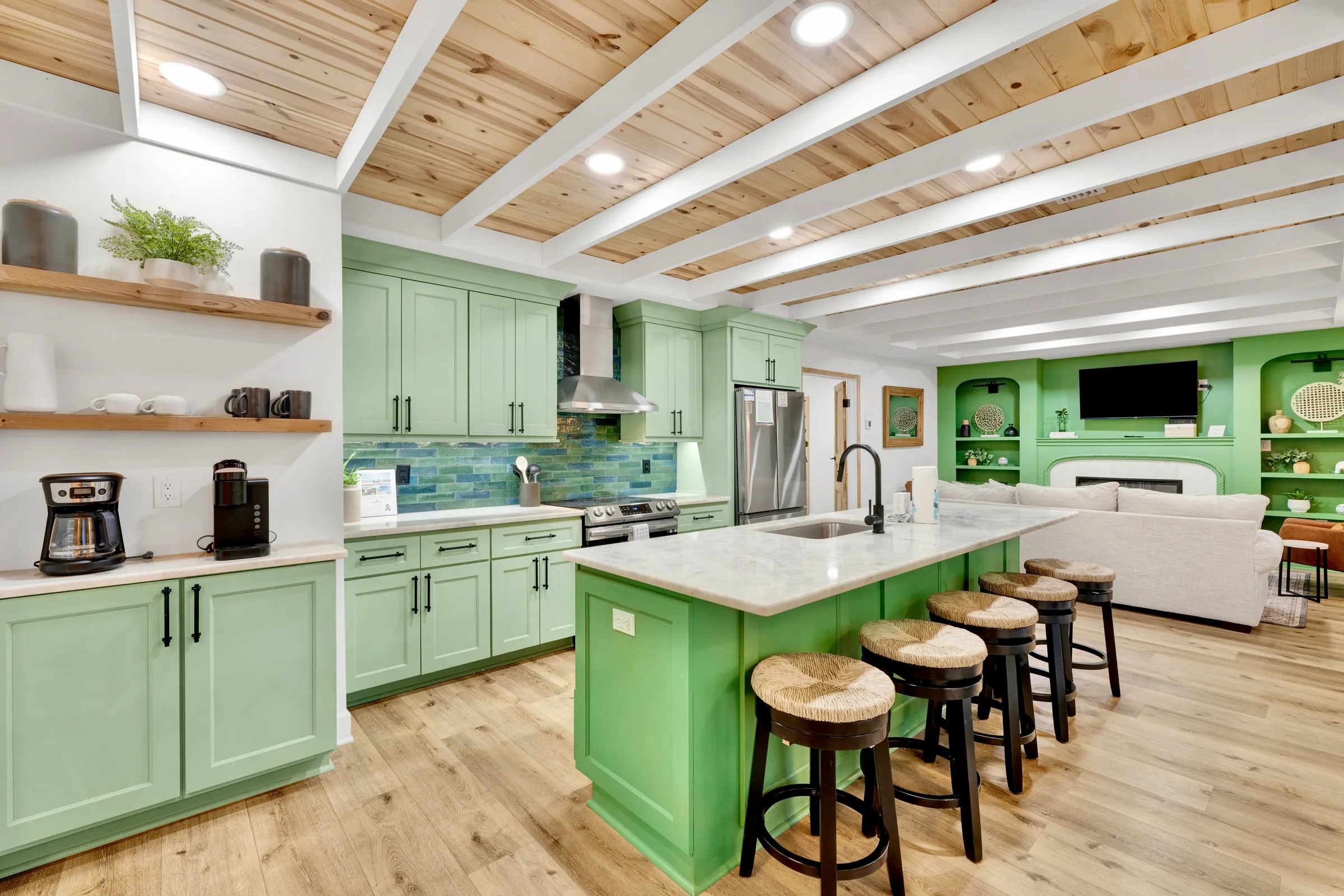
Good architectural images give a viewer a useful sense of scale. They show how rooms connect, where the light enters and how the spaces work together, rather than flattening every room into the same kind of picture.

Sligo based · Available nationwide
Show the design, light and character of a property through images that make the whole place feel considered from the first look.
Plan a photography briefMore than a record of the rooms
A building can be technically impressive and still be difficult to grasp in a quick sequence of photographs. The scale of a room, the route from one space to the next, the quality of daylight and the relationship between the house and its setting all need room to register.
Architectural photography brings those parts together. It gives the viewer a clear sense of the design without losing the warmth and practical detail that make a property worth spending time with. The result is useful for a sale, a development launch, a hospitality listing or any project that needs a stronger visual account of the finished space.
The shape of the place
Every property has a different way in. It may be the approach to a country house, a façade shaped by the landscape, a central kitchen that connects the whole plan or a living room that opens toward a view. The opening image should make that strongest idea immediate.
Avera Design International plans the photography around the property’s natural sequence. Wider frames establish the space and its proportions. Closer details reveal the materials, craft and atmosphere that give it character. Together, they make the design feel easier to understand without asking the viewer to guess what matters.
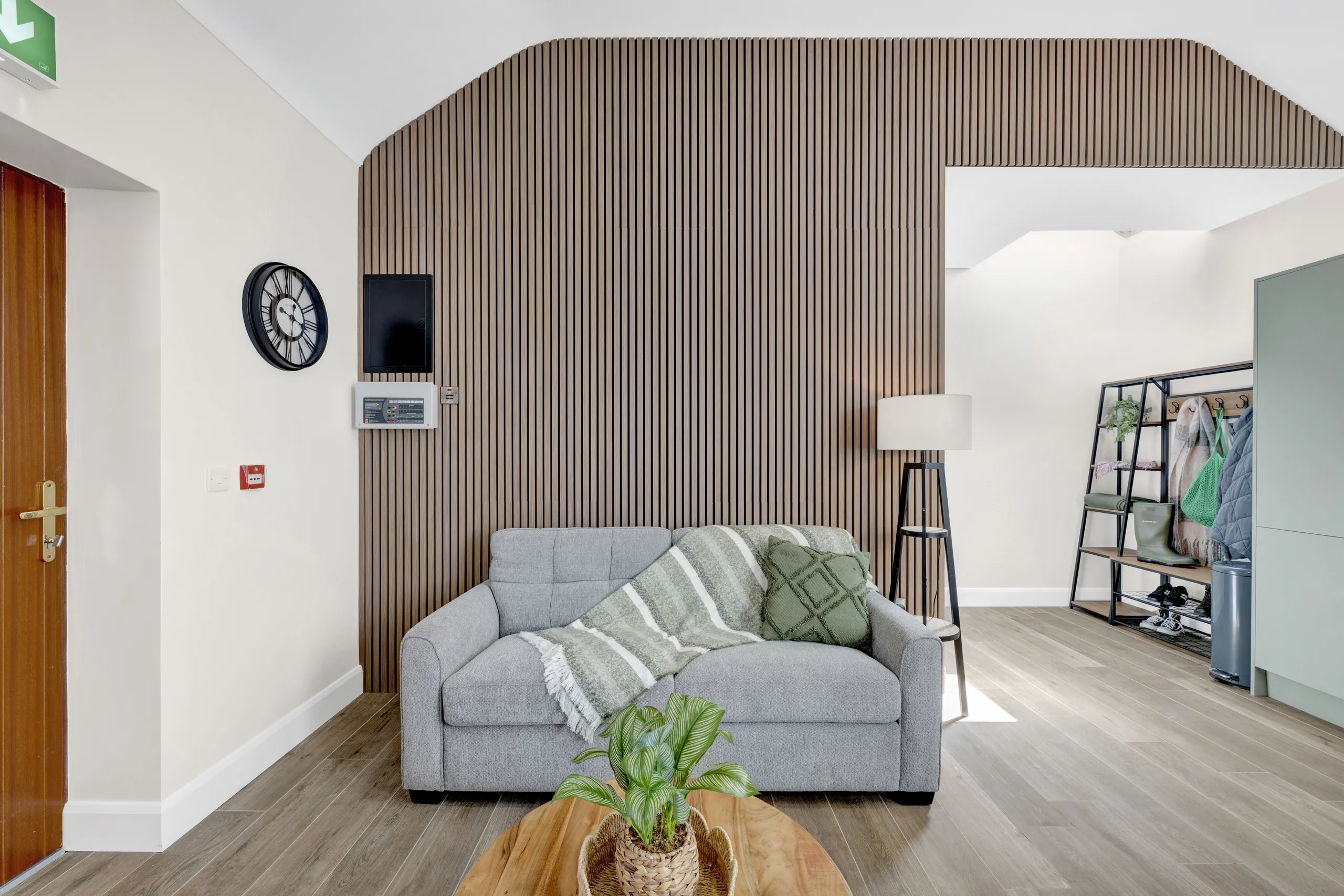
Good architectural images give a viewer a useful sense of scale. They show how rooms connect, where the light enters and how the spaces work together, rather than flattening every room into the same kind of picture.
Stone, timber, joinery, tile, metal and carefully chosen finishes all carry part of the story. Detail images can give those decisions their place while keeping the wider architecture clear.
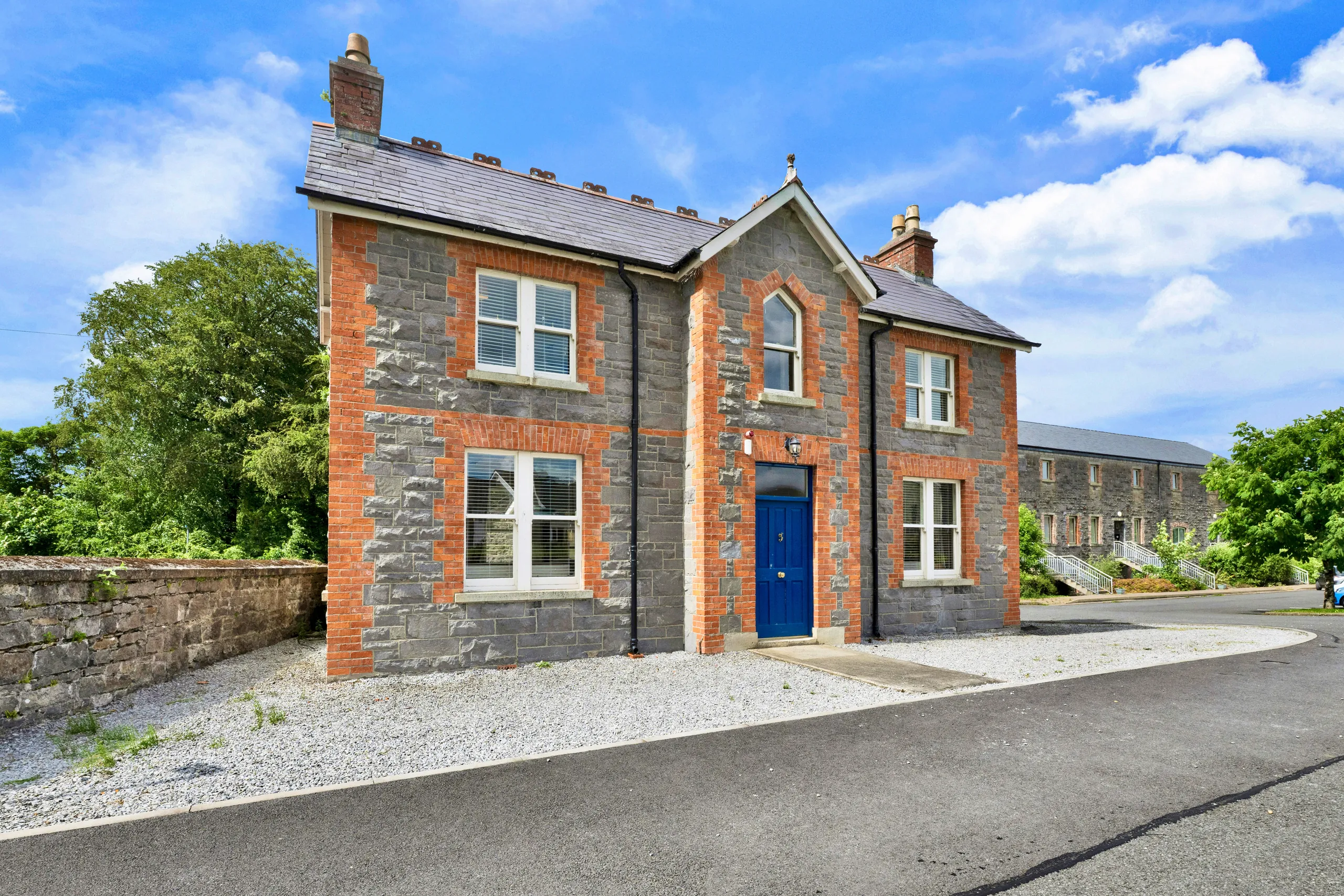
The garden, coastline, townscape, approach and surrounding land often explain why a property feels the way it does. Exterior photography gives the building its context, not just its elevation.
A brief with a clear purpose
Architectural photography is not about treating every wall, room or finish as equal. It is about identifying what gives the place its point of view. In a restored building, that may be the relationship between original materials and the new work. In a new home, it may be the natural light, the sightlines or the way the main spaces open to the garden. In a hospitality property, it may be the arrival, the bedroom experience and the quieter details that make a stay feel distinctive.
Before a shoot, it helps to consider where the images will appear. A property launch may need a strong mix for a listing, brochure, social posts and a dedicated property website. A completed project may need a set of portfolio images that makes the design decisions clear. A hospitality campaign may need images that help a guest picture the experience before they book.
The photography can then be planned around the moments that support that decision. The aim is a deliberate collection with enough breadth to explain the property and enough detail to make it memorable. It should feel cohesive whether someone sees one image in passing or spends time exploring the full gallery.
That approach also keeps the result practical. A clear visual story is easier to use across a campaign because the opening image, supporting interiors, exterior context and quieter details all have a job to do. Nothing needs to be added simply to make the gallery longer.
A useful shot list starts with the places that cannot be understood any other way. That could mean a wide view that explains a double-height room, an exterior angle that shows how an addition meets the original building or a detail that makes the quality of a finish tangible. Those priorities keep the photography rooted in the property instead of following a generic checklist.
Timing matters too. A room can feel completely different once daylight reaches the far wall, while an exterior may need the softer light at either end of the day. Planning around the property, rather than rushing through it, gives the finished images more consistency and gives the client a collection that is ready to use wherever the project needs to be seen.
Inside and out
The exterior is often more than a first impression. It can explain the setting, materials, orientation and route into the building. From there, the interior images can carry the story forward through the rooms, light and features that make the design feel complete.
For properties with land, water, a distinctive approach or several buildings, the wider context can also matter. Aerial photography can show the relationship between the building and its surroundings, while a cinematic film or 3D tour can add movement and flow where still images need support.
Before the shoot
Preparation does not need to make a lived-in property feel sterile. The priority is clarity. Clearing surfaces that distract from a material or view, opening blinds, checking lights and deciding which rooms need to feel most open can make the finished photographs far more useful.
It also helps to call out the things that may not be obvious at first glance: bespoke joinery, a renovation detail, a room that changes with the light, a view from an upper floor or the relationship between the house and the garden. Those details give the brief focus before the camera arrives.
Use the pre-shoot checklist →Built around the purpose of the work
For a character property, restoration or thoughtfully designed home, the photography can bring out the spaces, materials and setting that make it feel unlike the next listing in the feed.
Completed homes, apartments and shared spaces need images that make the quality of the project clear from the outside in. A considered set can support a launch, sales material and the wider presentation of the development.
A stay begins before arrival. Photography can show the character of the building, the atmosphere of the rooms and the surrounding place, helping guests understand what makes the experience worth choosing.
A joined-up visual story
Still photography is the foundation of most property campaigns. Where the project needs more context, it can be combined with cinematic video, a Matterport tour, virtual staging or a dedicated property website. Each piece should have a reason to be there, whether that is showing movement, layout, setting or future potential.
Avera Design International can bring those elements together under one brief, so the final presentation feels like one property story from the first photograph to the final enquiry.
Plan a photography brief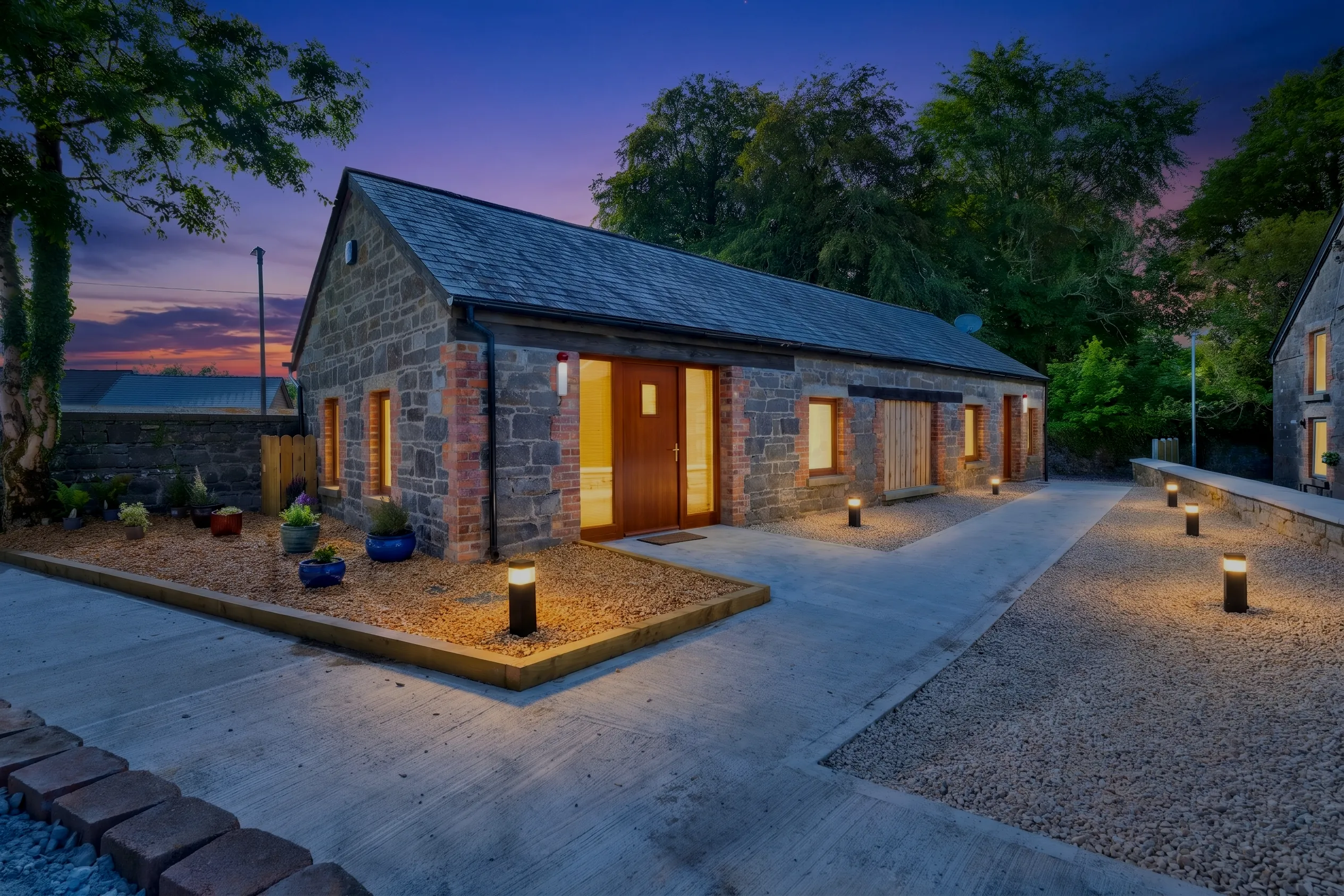
Frequently asked questions
Architectural photography is a considered way of photographing a building and its spaces. It pays close attention to proportion, light, materials, flow and the relationship between the building and its setting, so the finished images communicate more than a room-by-room record.
It can suit homeowners with a distinctive property, developers presenting new homes or a completed project, hospitality owners, estate agents and property managers. The right brief depends on whether the images need to support a sale, launch, portfolio, booking journey or wider campaign.
Yes. A balanced brief can cover the approach, exterior form, key rooms, materials, light and the views or landscape that give the property its context. The focus is on the images that make the whole place easiest to understand.
Yes. Avera Design International is based in Sligo and works throughout Ireland. Share the location, property type, intended use and timing, and James can help shape the right brief.