Estate agent marketing works best when it makes a property easier to understand. Buyers do not need a longer gallery or more formats for their own sake. They need a clear reason to take a closer look, then enough useful information to decide whether a viewing is worthwhile.
This listing-launch checklist helps estate agents coordinate the visual work, practical details and buyer journey before a property goes live. It is about choosing the material that earns attention and then using it in an order that answers real questions.
Before launch
Estate agent marketing checklist
- Agree who is most likely to buy and what they need to understand quickly.
- Identify the rooms, details, outlook and setting that carry the listing story.
- Give the owner a short, practical preparation plan before photography day.
- Plan access, light, parking, keys and the order in which the property will be photographed.
- Check the floor plan, BER details, features and room descriptions before publishing.
- Use video, a 3D tour or virtual staging only where it gives the buyer useful context.
- Read the finished listing on a phone before it goes live, then keep the viewing follow-up consistent with the launch.
Begin with the buyer’s first question
A good launch starts before the camera arrives. Ask what a serious buyer needs to understand within the first minute of seeing the listing. Is the draw the setting, the kitchen and garden relationship, a period detail, the amount of space, a renovation opportunity or the way the home works for everyday life? That answer gives the photography, floor plan and property description a shared purpose.
It also helps to separate essential information from background detail. The opening image needs to give a confident first impression, while the rest of the listing needs to make the property feel legible: the main rooms, natural light, storage, outdoor space, approach and the details that distinguish it from comparable homes. A useful estate agent photography brief gives the photographer a route through those priorities without trying to turn every room into the hero.
Agree the story with the owner early. They know the daily routines, seasonal light and practical features that may not be obvious during a quick walk-through. The agent’s job is to test those details against the likely buyer, then decide which ones will make the listing easier to understand rather than simply adding more information.
Prepare the property for clear photographs
The most effective preparation removes distractions instead of inventing a different home. Clear surfaces, clean mirrors, working lights, opened curtains, tidy outdoor areas and a simple plan for personal items give the important spaces room to be seen. A short owner-facing pre-shoot checklist is more useful than a vague request to “make it look nice” because it makes the decisions practical.
Pay particular attention to the first image, the entrance, the principal living area, the kitchen, bedrooms, bathrooms and any space that changes how the property will be used. A garden office, an honest storage solution, a walk-in wardrobe, a south-facing patio or a view from a main room can matter more than a decorative detail. The aim is to show the property in the way a buyer will actually experience it.
Schedule photography close enough to launch that the garden, light and presentation still match the viewing experience. If a repair, clearance job or styling decision is not complete, it is usually better to solve it before the shoot than spend time explaining it after the listing has begun to gather interest.
Choose the media that answers a real question
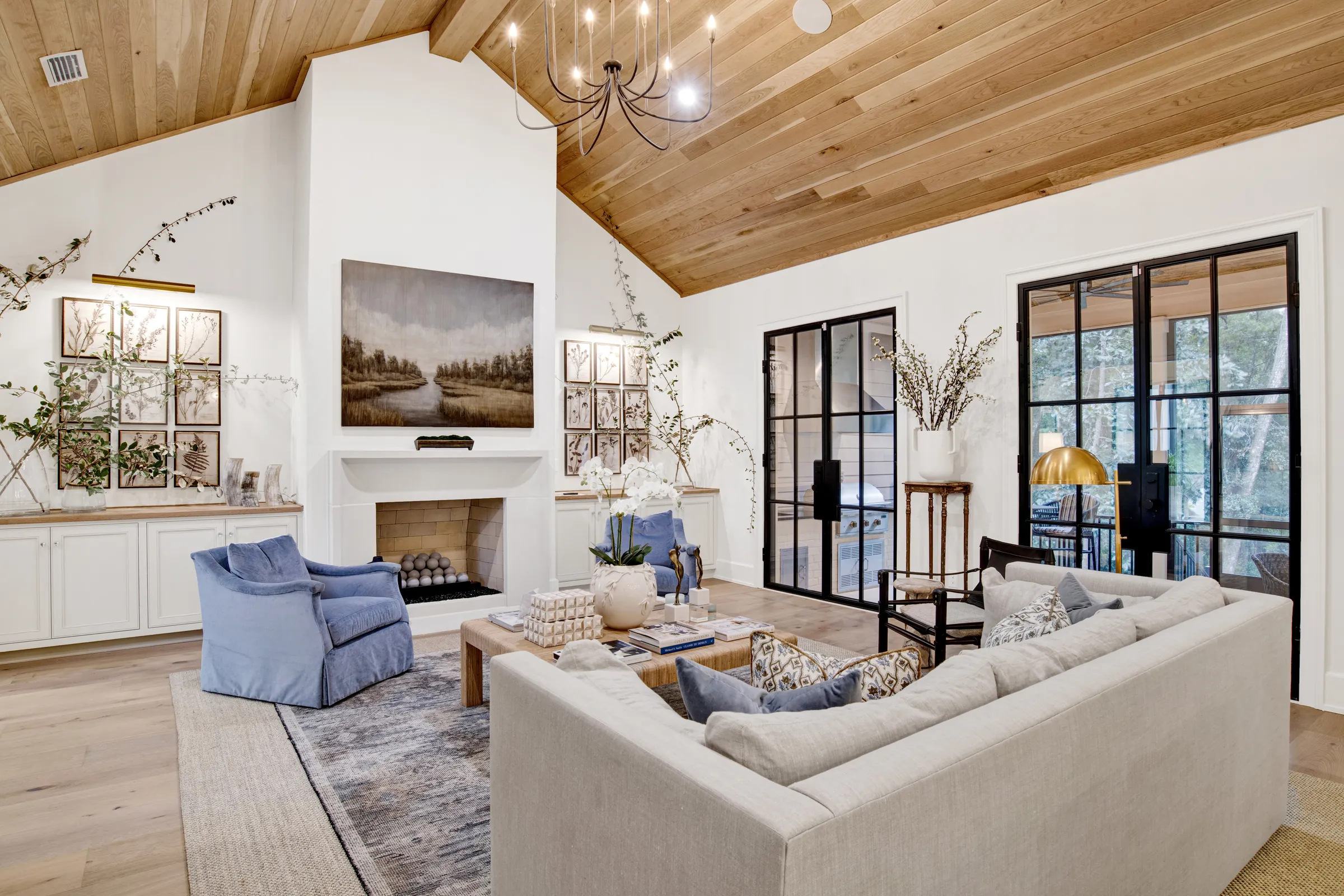
Professional property photography is usually the foundation of a launch because it gives a buyer a quick, clear first read of the rooms, light, finishes and setting. From there, choose any supporting format for a specific reason. A floor plan can clarify how rooms connect and where the practical dimensions sit. A film can show arrival, movement or atmosphere. A 3D tour can give a buyer more time with an unusual layout or a larger home.
The key is restraint. A property marketing package should be built around what this listing needs to explain, not a fixed list of add-ons. If still images already make the layout obvious, a tour may not add much. If the property has a strong approach, a changing landscape or a sequence of spaces that needs movement, cinematic video may be the better tool.
For a vacant room or one whose current layout makes its purpose hard to read, virtual staging can help a buyer understand scale and potential. It should remain faithful to the real room, with the original image available and no changes that could mislead a viewer about the structure, finish or condition of the property.
Make the listing easy to scan on a phone
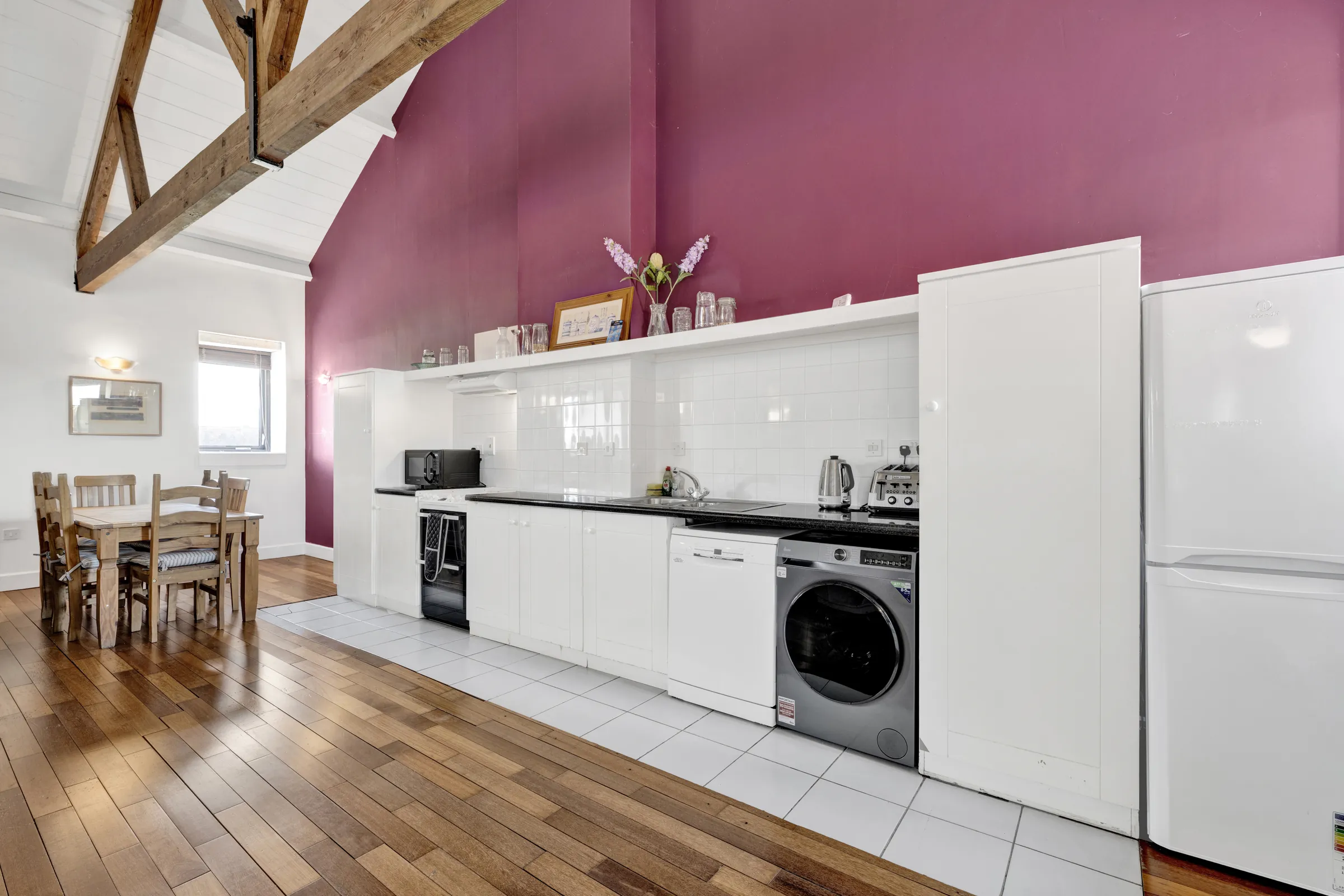
Most buyers will first meet the property on a small screen. Put the strongest image first, then move through the home in an order that feels natural. The listing should not make a buyer guess whether the garden belongs to the house, where the kitchen sits in relation to the living area or whether the extra room is a bedroom, study or storage space. Clear captions and accurate room details can do a great deal of work here.
Check the listing after the images, floor plan and copy are in place. Look for repeated views, missing spaces, unclear transitions and practical details that are hard to find. Ask whether the first handful of images gives a serious buyer a reason to continue, and whether the remaining material rewards that attention with a coherent picture of the property.
The same order should carry into follow-up. When an interested buyer asks for more detail, the agent should be able to point them to the part of the listing that answers it, then offer a viewing when the property is a genuine fit. That creates a more useful conversation for both the buyer and the seller.
Plan one joined-up launch
A property launch feels more considered when the owner, agent and photographer are working from the same brief. The owner prepares the spaces and shares the details that matter. The agent keeps the likely buyer and launch plan in view. The photographer turns that shared understanding into images that help the property read clearly from the first glance.
Avera Design International supports estate agents across Ireland with estate agent photography, property photography, floor plans and selected supporting media where it adds useful context. Plan a property shoot when the next listing needs a clearer visual brief.
Frequently asked questions
What should an estate agent prepare before listing photography?
Agree the likely buyer, the strongest parts of the property and the questions the listing needs to answer. Then confirm access, presentation, the room order, outside spaces and the practical details that need to be ready on the day.
How many photographs should a property listing have?
The right number depends on the property. The aim is to show each important space or feature once, clearly and in a useful sequence, rather than repeating similar views simply to make the gallery longer.
When should a listing use video or a 3D tour?
Use another format when it answers a buyer question that still photographs cannot. Video can show arrival, setting or atmosphere, while a 3D tour can help viewers understand an unusual or expansive layout before a viewing.
How can property marketing stay truthful?
Choose images and supporting material that explain the real rooms, layout, light and setting. If a room is virtually staged, keep the original view available and do not change finishes, dimensions or the structural reality of the property.