
The best time to sell a house in Ireland is not a date on a calendar. It is the point where your property is ready, the right buyers can understand it quickly and the launch plan makes sense for your local market. Spring is often talked about for good reason, but a well-prepared home can sell in any season when the price, presentation and timing work together.
This guide helps sellers decide whether to launch now, prepare for a stronger window or avoid waiting for a supposedly perfect month. It is general guidance, not legal, financial or valuation advice. Your estate agent and solicitor should advise on the circumstances of your sale.
Start here
Choose a launch window with these five questions
- Is the property ready to be shown honestly and consistently?
- Which season shows its garden, setting, light or access at their best?
- What comparable homes are buyers choosing between right now?
- Are your key documents, BER and practical details moving early enough?
- Can you keep the home ready for photographs and viewings once it launches?
There is no universal best month
Seasonality matters, but it does not make the decision for you. Spring can bring brighter days, gardens coming back to life and more people actively looking. Early autumn can offer another useful window when people have returned to routine. Those advantages are real, yet they can also bring more competing listings.
A seller who waits for April without preparing the house, documents or marketing can lose more than they gain. A seller who launches in a quieter month with a clear price position, well-planned images and serious local demand may have a more straightforward experience. The useful question is not “What month gets the highest price?” It is “When will the right buyer understand this particular home most clearly?”
The Central Statistics Office Residential Property Price Index is a helpful source for broad national and regional price movement. It is not a launch-date calculator. Pair that wider context with current comparable sales, competing listings and advice from an agent who knows your area.
Let the property’s strengths guide the season
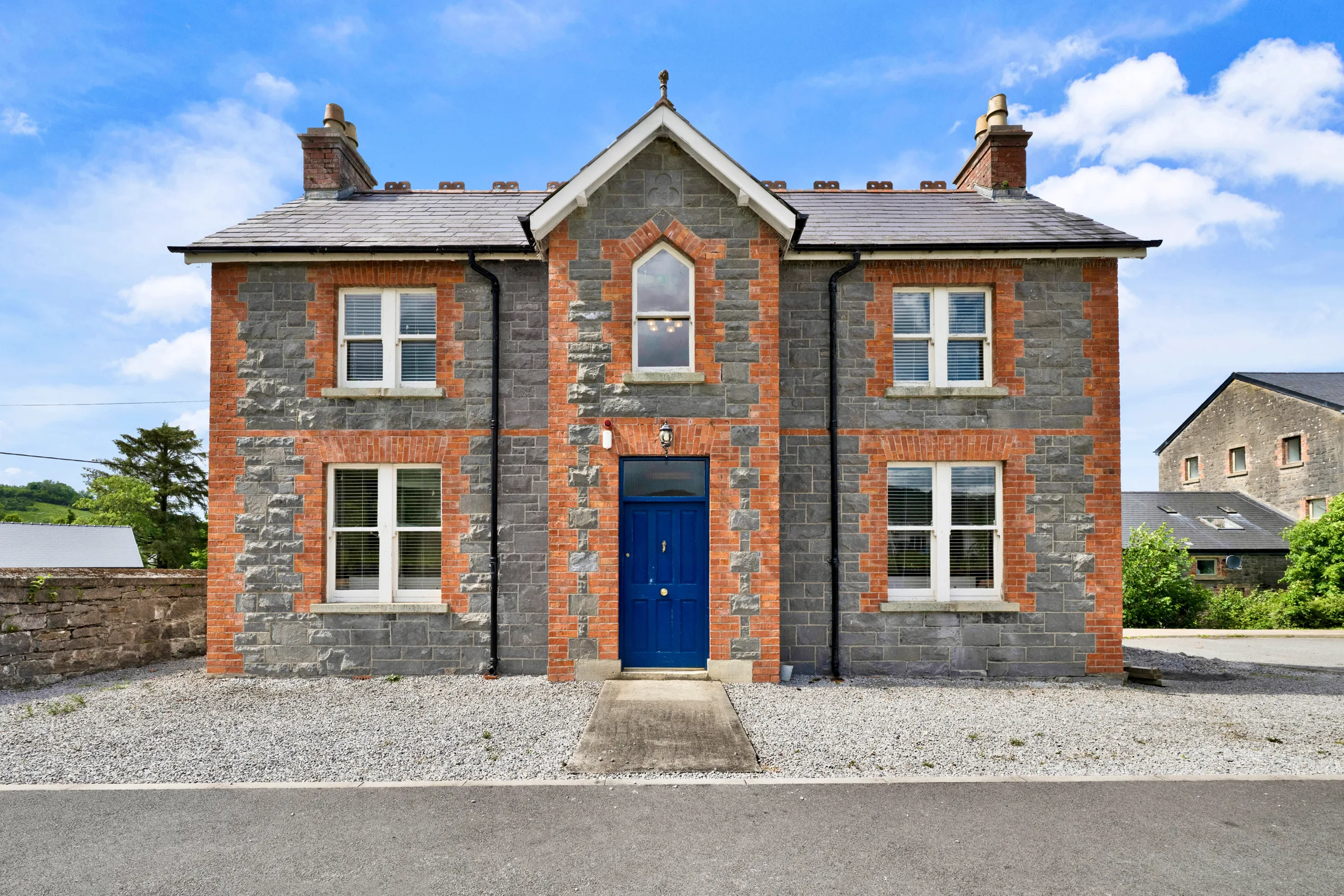
Some homes have a stronger seasonal story than others. A house with a mature garden, a coastal view, long evening light or a rural approach may be easier to appreciate when those features are visible and inviting. If the setting is a central part of the buyer appeal, plan the photography and launch while it can be shown truthfully at its best.
That does not mean every property should wait for sunshine. Townhouses, apartments and family homes can be bought and sold throughout the year because buyers are often focused on location, layout, schools, transport, storage and condition. A bright interior, clear floor plan and realistic listing can do more for those decisions than a particular month ever will.
Be honest about what a season changes. A garden should not be photographed in full bloom if a winter buyer will arrive to find it neglected. Equally, a darker month does not require gloomy marketing. A tidy exterior, working lighting, warm interior images and a clear description of practical features give people a fair picture of the home they are considering.
Look at buyer competition, not just buyer activity
More buyers looking can be helpful, but more sellers launching at the same time can make comparison harder. Ask your estate agent which homes are currently available, which have recently gone sale agreed and what type of buyer is responding. A family house may be competing with a small number of similar homes one month, then a long list the next.
Completed sales are more useful than hopeful asking prices when you are trying to understand that context. The Residential Property Price Register records residential purchases reported to Revenue. Use it as a starting point to discuss comparable sales with your agent, not as a substitute for a property-specific appraisal.
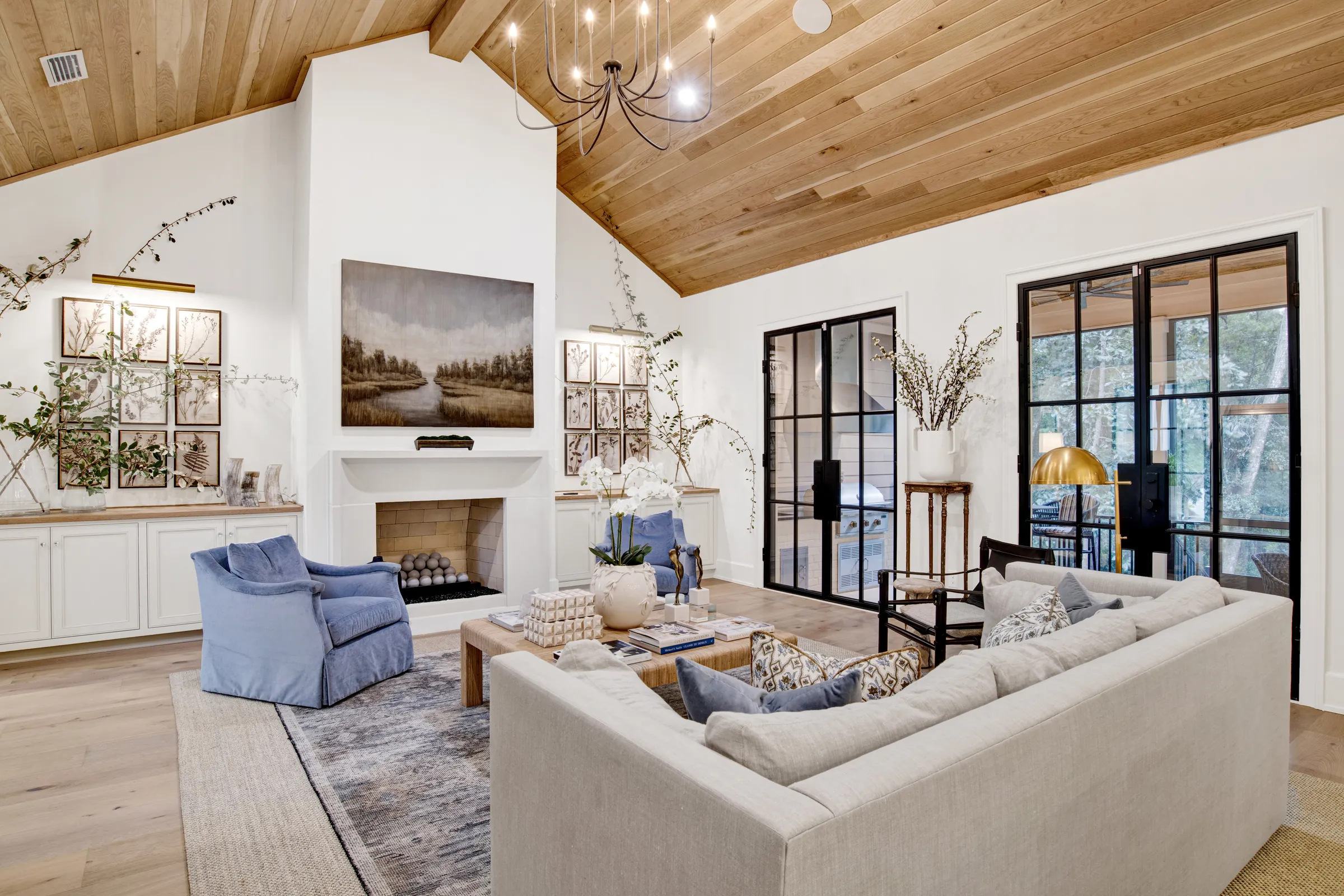
Competition is also about attention. If many similar listings launch together, the first photographs and opening description need to answer the buyer’s main questions quickly. What is the relationship between the kitchen and garden? How does the home flow? Where do people park? What can they see from the living room? A considered media plan gives a serious viewer a reason to move from browsing to booking a viewing.
Work backwards from the launch date
A calmer way to choose a sale window is to work backwards. Start with the point at which you would like the listing to be live, then allow time for the tasks that cannot be rushed. Your solicitor can advise on the documents and title information needed for your situation. Your agent can explain the appraisal, local demand and likely launch plan. If a BER is required, check that position early rather than discovering it when the listing is being prepared.
The Society of Chartered Surveyors Ireland’s seller guide notes that a sale can take from weeks to several months and depends on market conditions. That uncertainty is exactly why preparation matters. A realistic timeline gives you room to respond to questions, arrange access and make sensible decisions rather than forcing every task into the week before photographs.
Then plan the visible work. Choose the repairs that remove obvious distractions, clear the rooms that need to explain daily life and arrange photography close enough to launch that the listing still reflects what a viewer will see. Avera’s pre-shoot checklist is designed for that practical stage, from the entrance and kitchen to bedrooms, bathrooms and outdoor areas.
Do not let the calendar hide a preparation problem
“We will wait until spring” can sometimes mean “we have not decided what needs doing.” Separate those two ideas. Waiting can be useful when it gives you time to finish a small repair, gather information, improve a garden or make the property easier to show. It is less useful when the work is open-ended or when the agent cannot explain what will be materially better after the wait.
Focus first on changes that help people understand and trust the property: working lights, sound doors and gates, clear surfaces, clean windows, straightforward access and rooms with an obvious use. Major renovations are a different decision. They may be right for some sellers, but they should be weighed against cost, local demand and timing rather than treated as a standard pre-sale requirement.
If you are comparing agents, ask each one what they would change before launch and why. Their answer should connect the recommendation to the likely buyer and the current market, not just offer a generic list. A useful valuation conversation gives you a better basis for timing as well as pricing. Avera’s guide to comparing house valuations can help you prepare for that discussion.
Agree what “ready” means before choosing a date
Before you settle on a launch week, ask your agent to describe the first few days in practical terms. When will photography happen? When will the listing details be checked? Which information will a buyer need before arranging a viewing? Who is available to give access? A date is only useful when the steps around it are clear enough to carry out without last-minute compromises.
It helps to make a short list with three columns: essential before launch, useful if time allows and not necessary for this sale. Essential items might include resolving a practical access issue, finding paperwork your solicitor has requested or preparing the rooms that carry the main visual story. Useful items may include a touch-up of paint or a garden tidy. The final column is important because it stops a manageable preparation plan turning into an endless project.
Give the same list to everyone involved. Your agent can advise on buyer expectations, your solicitor can flag the legal work that needs lead time, and your photographer can help you plan the appointment around light and the property’s best angles. That shared picture makes it easier to decide whether waiting a few weeks genuinely improves the launch or simply delays a home that is already ready to meet the market.
Make winter and quieter periods work harder
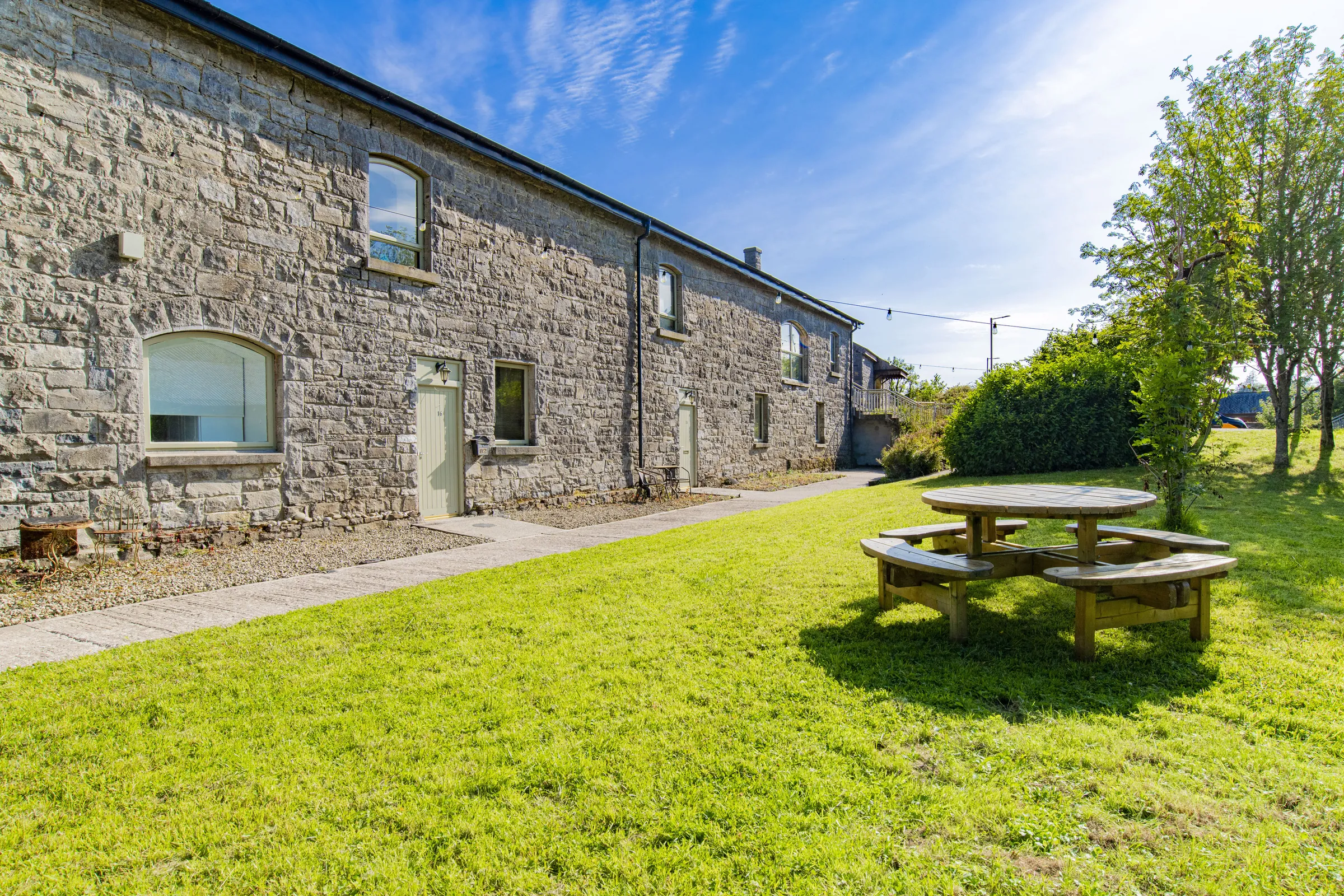
A winter launch is not automatically a compromise. There may be fewer casual browsers around holiday periods, but people arranging viewings can have a specific reason to move. The presentation simply needs to meet the conditions. Make the entrance safe and clear, use daylight thoughtfully, turn on practical lighting where it helps and avoid images that make the home appear darker than it is.
Interior-led homes can be especially strong in colder months when warmth, layout and efficiency are front of mind. Clean windows, bright rooms and an organised approach help buyers read the space without guessing. If outdoor space is a selling point, include it honestly and make sure the listing explains how it is used rather than relying on one flattering seasonal photograph.
Shorter days also make scheduling important. Agree a photography time that suits the property and build in a little flexibility for weather. Your agent and photographer can advise on the practical approach, but the home should still be ready for a viewer who may visit on a grey afternoon rather than a perfect summer evening.
Use the first weeks to listen to the market
No launch date removes uncertainty. Once the listing is live, agree how your agent will collect and explain feedback. A repeated question about parking, storage, access or a particular room may show that the listing needs a clearer answer. Plenty of viewings with no follow-up may point to a different conversation from very little interest at all.
Do not change direction because of one comment or one quiet day. Ask what pattern the agent can see, how that relates to comparable homes and what adjustment, if any, would be useful. A good launch plan has a review point built in. It treats feedback as information, not a reason to panic.
Clear imagery matters here too. When photographs, film and tours help buyers understand the real property before a viewing, the enquiries that follow tend to be better informed. For a fuller view of how each visual element can support a listing, see Avera’s property-media services.
How Avera helps when the timing is right
When the sale plan is ready, Avera Design International helps make the property’s strongest features easy to understand from the first look. Property photography, cinematic video, 3D tours and virtual staging each have a different job, depending on the home and the questions a buyer needs answered.
The goal is not to make a seasonal promise the property cannot keep. It is to show rooms, setting and flow with enough clarity that the right buyer can see why the home deserves a closer look. When you have agreed your launch window, request a shoot to plan the visual side of the listing.
Frequently asked questions
What is the best month to sell a house in Ireland?
There is no single best month for every home. Spring and early autumn can suit many sellers, but the right launch window depends on local buyer demand, competing homes, the property's strongest season and how prepared you are to market it clearly.
Should I wait until spring to sell my house?
Not automatically. Waiting can be sensible when a garden, coastal setting or exterior needs a stronger season, or when you need time to prepare documents and presentation. It may be less useful when a home is ready now and a local agent can see serious buyer demand with limited competition.
Can a house sell well in winter in Ireland?
Yes. Fewer people may be browsing around holiday periods, but the people arranging viewings can be highly motivated. A winter listing needs warm, truthful presentation, clear interior photographs and a practical plan for short daylight and weather.
How early should I prepare before putting a house on the market?
Start the conversation with your estate agent and solicitor as early as possible. Allow enough time to gather documents, deal with small repairs, check the BER position and plan photography without forcing a rushed launch date.