A house valuation is often the first number a seller hears, and it can carry more weight than it deserves on its own. An estate agent's appraisal is useful because it starts a conversation about likely buyers, comparable homes and the launch plan. It is not a guaranteed sale price, and it should not be treated as a competition to find the largest number in the room.
This guide explains how to compare house valuations in Ireland with a clearer head. It is not legal, tax, surveying or financial advice. Your estate agent, solicitor and any other relevant professional should advise on your own circumstances.
Bring this to each appraisal
What a useful house valuation should explain
- Recent comparable sales, not just attractive asking prices.
- Current competing homes a buyer will see at the same time.
- The features that move your property above or below those comparisons.
- A sensible asking-price strategy and how the agent expects buyers to respond.
- The preparation, images and information needed before launch.
- The fee, expenses, agreement length and communication plan in writing.
Start by separating three different numbers
Sellers can hear several numbers around a property and assume they all mean the same thing. They do not. An estate-agent appraisal is advice about how a home may be positioned for sale. The asking price is the figure used to bring the property to market. The eventual sale price is decided by what a ready buyer offers and what the seller accepts, subject to the normal steps that follow.
A lender's valuation is another separate process. It is commonly arranged for a buyer's mortgage and is not a prediction that the home will achieve a particular price in an open sale. Keeping these roles separate stops a valuation appointment from becoming a false promise about the final result.
For a broad local reference point, the official Residential Property Price Register records residential purchases reported to Revenue. It is a starting point for checking completed sales, not a substitute for professional advice on the precise home, date and market conditions.

Ask for comparable evidence you can understand
The strongest part of an appraisal is usually the explanation behind it. Ask which properties the agent considers genuinely comparable, when they sold, how close they are in location, and whether they match your home in type, size, condition, setting and practical features. A semi-detached house, an apartment and a detached rural home can all share an area, while attracting very different buyers.
Do not be embarrassed to ask why one comparable matters more than another. A recent sale on the same estate may be useful, but an extension, a larger site, a better view, parking, a renovated kitchen or a different BER can alter the comparison. Good advice makes those adjustments visible instead of producing a single unexplained figure.
It also helps to ask about competing stock. Completed sales show what happened in the past. Current listings show the alternatives a buyer can consider now. An agent should be able to explain how your home sits beside both, without claiming to know exactly what every buyer will do.
Look at the range before choosing a number
If several agents give you a range of appraisals, do not jump straight to the highest or lowest. Put the proposals side by side and look for the evidence they have in common. Where the figures differ, identify the assumption behind the difference. One agent may be giving more weight to a garden, a newly fitted kitchen or a town-centre location. Another may expect buyers to compare the home with a more recently renovated property nearby.
Ask each agent to explain their suggested approach in plain language. Is the price intended to test demand, reflect recent comparable sales or leave room for negotiation? How long would they expect to let the property gather feedback before reassessing the response? There is no universal formula, but a clear answer is more useful than a confident headline.
The Competition and Consumer Protection Commission recommends that sellers speak to several agents, ask about comparable properties sold locally, demand for similar homes and the proposed selling price. Their seller guidance is a sensible checklist for the wider decision, including fees, advertising and written terms.
Use online data as a check, not a verdict
Online estimates, asking prices and headline market reports can be useful prompts, but they are not a clean answer to what a particular home will achieve. An automated estimate may not know whether a kitchen was refurbished, whether a house has an unusual plot, whether the parking is straightforward or whether the local buyer pool is comparing a very specific set of homes. An advertised price is also a seller's chosen starting point, not proof of a completed result.
Use public data to ask sharper questions. If a nearby sale looks relevant, ask the agent whether it is a sound comparison and what they would adjust for. If a current listing seems to compete with yours, ask which buyer is likely to choose one over the other. That turns browsing into evidence rather than letting a single attractive number set the whole conversation.
Revenue's Local Property Tax valuation guidance is another useful reminder that a valuation has a purpose and date. It relates to LPT, not an estate-agent appraisal for a sale, so it should not be treated as a current asking-price instruction. The same care applies to national averages: they add background, while a launch decision needs local, property-specific evidence.
Prepare the facts that can change the appraisal
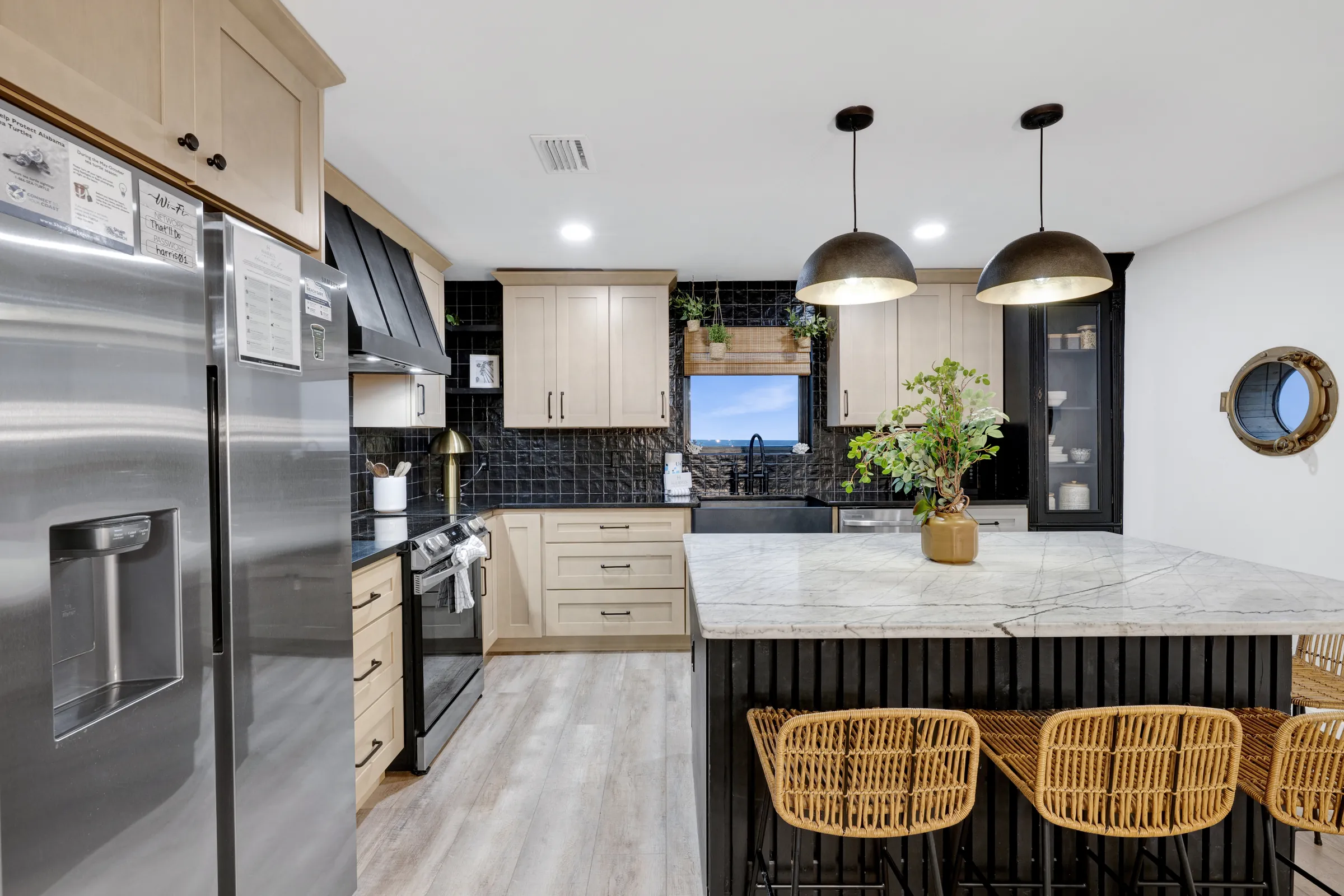
A valuation becomes more useful when the agent can see the home clearly and has the right facts. Before the appointment, make a simple note of substantial improvements, approximate dates, planning permissions where relevant, energy upgrades, parking arrangements, outbuildings, management charges for an apartment and any detail a buyer would need to understand the property. This is not about presenting a sales pitch. It is about preventing useful context from being missed.
Have the home ready enough for the agent to judge light, flow and condition. You do not need a full photography-day finish for an appraisal, but clearing the main rooms helps everyone see their proportions and connection. If the home has a view, garden, flexible room, workshop or separate access, make sure it is easy to inspect.
A Building Energy Rating is also a practical early task. The CCPC says a BER certificate is required before advertising a home for sale or rent. Check the current position before the launch is being planned, rather than discovering a missing document when photographs and listing copy are already being prepared.
Test whether the launch plan supports the position
A valuation is only the first part of a sale plan. The next question is whether the proposed presentation makes the asking strategy credible. Ask what a buyer should understand in the first few images, which rooms or outdoor spaces need attention before photography, and what information should be available before someone books a viewing.
A clear visual plan protects the work done at the valuation. A family home may need the relationship between kitchen, garden and bedrooms to be obvious. An apartment may need storage, parking, light and the layout to read quickly. A rural home may need its access, land, outbuildings or setting put into context. The media should answer those real questions, not merely add decoration.
Use Avera's pre-shoot checklist to prepare the core rooms, entrance and outdoor areas before photography. For a fuller view of the choices around imagery, films, 3D tours and supporting materials, see the property-media services. Each element works best when it makes a genuine part of the home easier to understand.

Compare the terms alongside the appraisal
The valuation appointment is also the right time to understand the working relationship. The Property Services Regulatory Authority requires estate agents to be licensed, and its public register of licensed property service providers lets sellers check that status. Registration is only the starting point, but it is one worth checking.
Then ask for the fee, VAT treatment, advertising costs, agreement duration, exclusivity and notice terms in writing. A larger appraisal does not compensate for terms you do not understand. The agent's fee proposal and valuation advice should make sense together: you should know what is included, who will run viewings, how feedback will be reported and when the plan will be reviewed.
For a broader shortlist of questions, read Avera's guide to choosing an estate agent. It covers the local knowledge, communication and launch planning that sit alongside a credible appraisal.
Use feedback to learn, not to panic
Once a home reaches the market, the first days and viewings produce information that an appraisal cannot fully predict. Ask the agent how they will distinguish one buyer's personal preference from a pattern. Repeated questions about the same room, missing detail or practical concern may mean the listing needs a clearer answer. A lack of viewings may prompt a different conversation from strong viewing interest without offers.
That does not mean changing course at the first quiet afternoon. It means agreeing in advance how feedback will be collected and when it will be reviewed. A good process gives you room to judge the response against the original evidence, rather than reacting to a single comment or comparing the home with an unrelated listing online.
Keep the marketing truthful throughout. Clear photographs and accurate information bring better-informed people to the viewing. A launch that lets a buyer recognise the real strengths of the home creates a firmer foundation for every conversation that follows.
How Avera helps bring the value into view
Once you and your estate agent have agreed how the property should be presented, the visual work needs to make that decision easy to understand. Avera Design International creates property photography, cinematic video, 3D tours and virtual staging for the parts of a property that benefit from clearer context.
The aim is not to make a generic promise about value. It is to show the rooms, setting and practical detail that support a considered launch. When the sale plan is ready, request a shoot to plan the visual side of the listing.
Frequently asked questions
How many estate agents should value my house in Ireland?
There is no fixed number, but speaking with more than one licensed estate agent gives you a useful comparison of the evidence, proposed asking price, fee and marketing plan. Use the same brief with each agent so the proposals are easier to compare fairly.
Is an estate-agent appraisal the same as a bank valuation?
No. An estate-agent appraisal is advice on the likely asking-price strategy and buyer response for a sale. A lender may require its own valuation for a buyer's mortgage. They serve different purposes, so a seller should not assume one replaces the other.
What should I ask for at a house valuation?
Ask which recent comparable sales and current competing listings informed the appraisal, what differences were allowed for, how the asking-price strategy is intended to work and what the agent would change before launch. Ask for the fee, expenses and agreement terms in writing as well.
Should I choose the highest house valuation?
Not automatically. The useful appraisal is the one that gives a clear, credible explanation of local evidence and a practical plan for the launch. A higher figure without support may make it harder to judge the likely response once the property is on the market.