Estate agent fees are one of the first costs sellers want to understand, and one of the easiest details to compare badly. A low headline figure can look attractive until VAT, advertising, photography, agreement length or separate costs enter the conversation. A higher proposal can be worthwhile when it gives a clearer plan for the home, but only if you know exactly what you are paying for.
This guide helps you compare estate agent fees in Ireland in a calm, practical way. It is not legal, tax or financial advice. Your solicitor and estate agent should advise on the terms that apply to your property, while this checklist helps you ask better questions before you appoint anyone.
Bring this to each valuation
Compare the whole proposal
- Ask whether the fee is a percentage, fixed amount or another structure.
- Confirm whether VAT is included or added separately.
- Request a written list of marketing, photography and advertising costs.
- Read the instruction length, exclusivity and notice terms before signing.
- Ask who will conduct viewings, give feedback and manage the sale.
- Compare the valuation evidence and marketing plan, not the fee in isolation.
Start with the written fee structure
The Competition and Consumer Protection Commission advises sellers to compare estate-agent fees and advertising, and notes that some agents charge a percentage of the sale price while others use a flat fee. That makes the written proposal more useful than a quick verbal comparison. Ask each agent to show the fee structure, the point at which it becomes payable and anything that sits outside the headline figure.
For a percentage fee, make sure you know what sale price it will be calculated from and whether VAT is included. For a fixed fee, ask what is included, whether any services are optional and whether payment is due before, during or after the sale. A fixed figure is not automatically simpler if the scope is vague. The aim is to be able to compare like with like.
Do not assume the fee tells you whether the agent is right for the job. A sensible choice takes account of the agent's evidence for the valuation, their knowledge of comparable homes, the quality of communication you can expect and how they will make the property easy for the right buyers to understand.
Separate the fee from the selling costs
An estate agent's fee is only one part of a property sale. Legal work, a BER where it is needed, preparation and moving costs are separate questions, and the exact position depends on the property and the sale. Keeping them separate makes it easier to see what the agent's proposal actually covers.
Ask for the marketing scope in plain language. Does it include the property-portal listing, photography, a floor plan, brochure, video, social material, hosted viewings or upgraded advertising placement? If an item is optional, ask what buyer question it is meant to answer. More material is not automatically better. The strongest package is the one that helps a serious buyer understand the rooms, setting and practical appeal of the particular home.
The CCPC's guide to selling a home in Ireland is a useful starting point for the sale steps and costs to discuss. Use it alongside the written proposal, then ask your solicitor about any legal or tax cost that could apply to your circumstances.
Check the agreement before the launch feels real
By the time a listing is being discussed, it is easy to focus on photographs and price and skim the agreement. Slow down here. The Property Services Regulatory Authority says an agent must have a signed Property Services Agreement before providing the service. That document should make the fee, expenses, duration and terms clear.
Ask how long the instruction lasts, whether you are appointing one agent exclusively and what notice applies if the relationship is not working. Ask what happens if someone introduced during the agreement later buys the property, or if you decide not to proceed with a sale. Those are not awkward questions. They are the practical details that make a comparison meaningful.
Before appointing anyone, use the public PSRA register of licensed property service providers to check the agent or auctioneer. Registration is only a starting point, but it is an important one.
Compare the marketing plan behind the number
Two agents can quote similar fees and propose very different ways of selling the same home. Ask each one to describe the likely buyer, the lead images, the information buyers will need before viewing and how enquiries will be handled. The goal is not to demand a grand campaign for every home. It is to understand how the plan will help the right people take the next step.
A useful proposal should explain what happens before launch, on launch day and after the first viewings. Who checks the listing details? Who handles buyer calls? How quickly will you receive feedback? When will the agent review the response with you? A clear answer shows how the fee connects to real work, rather than being a number detached from the sale.
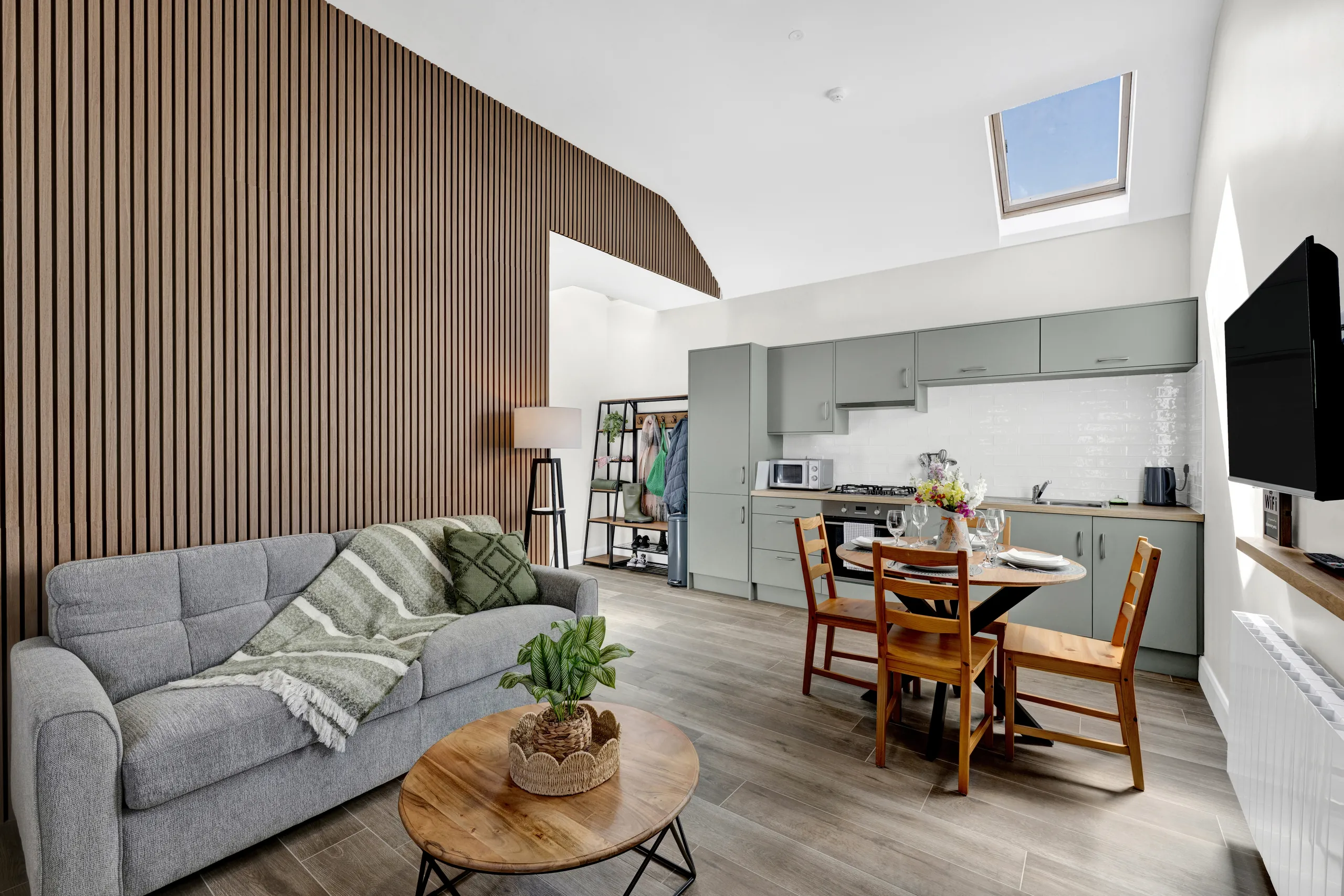
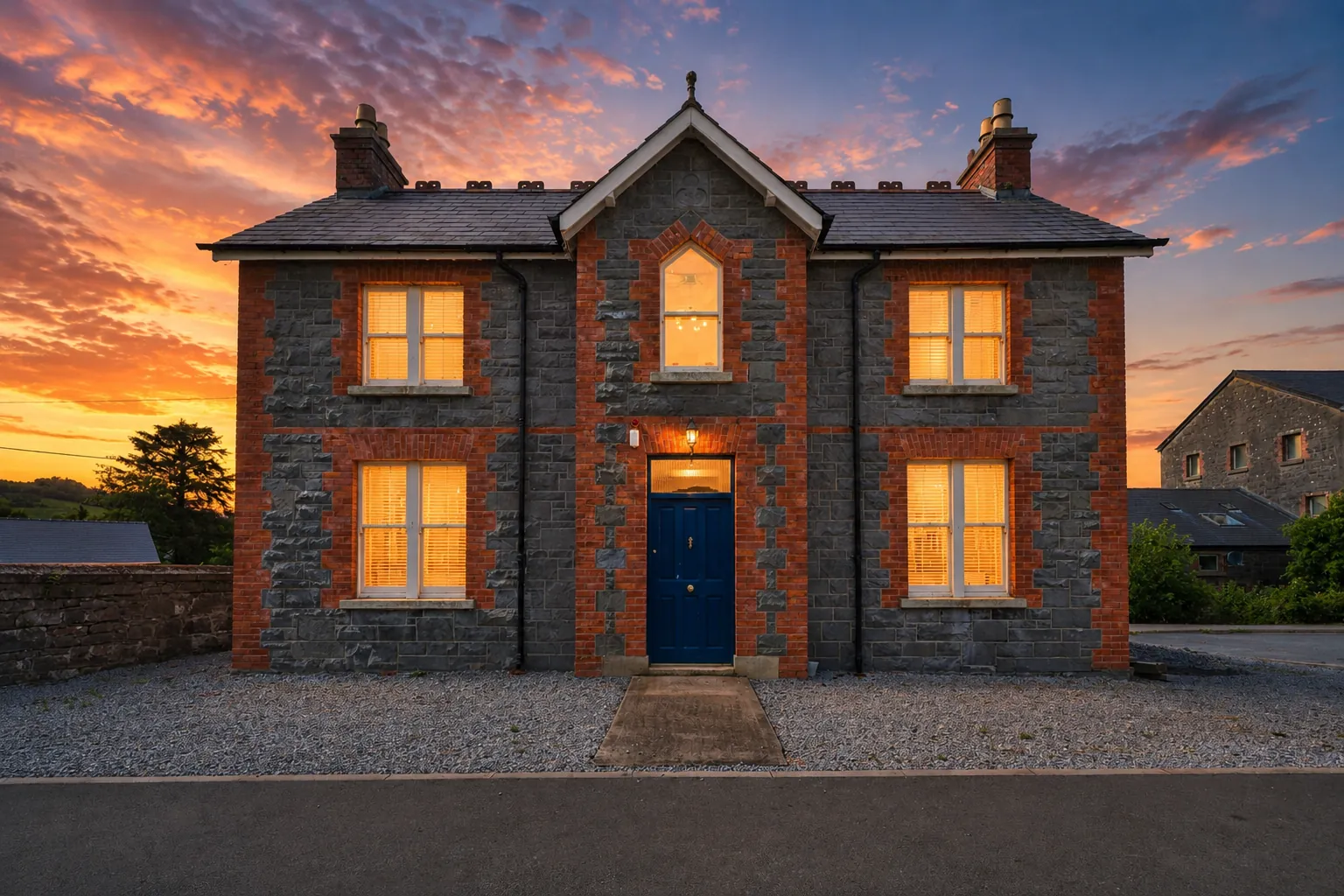
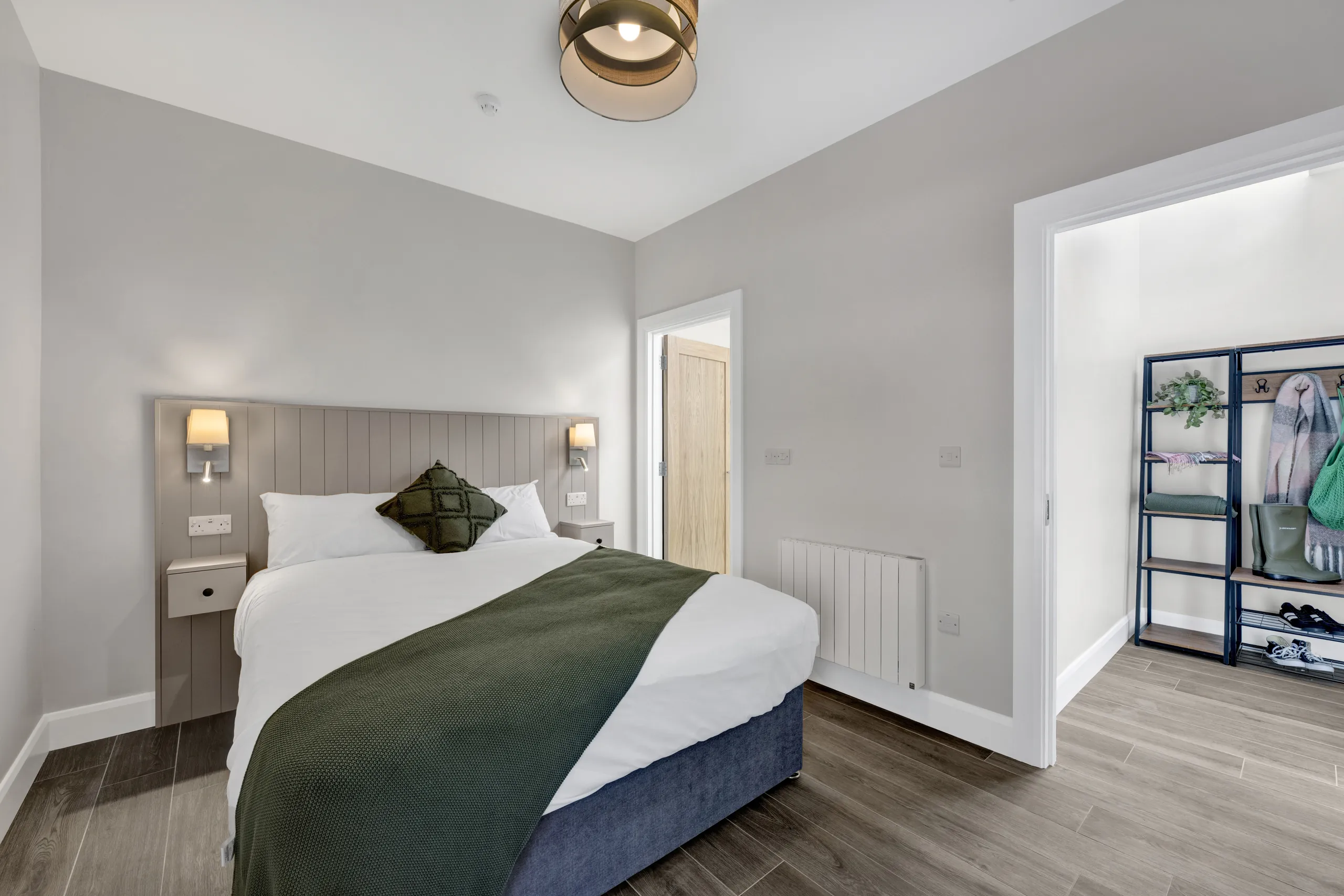
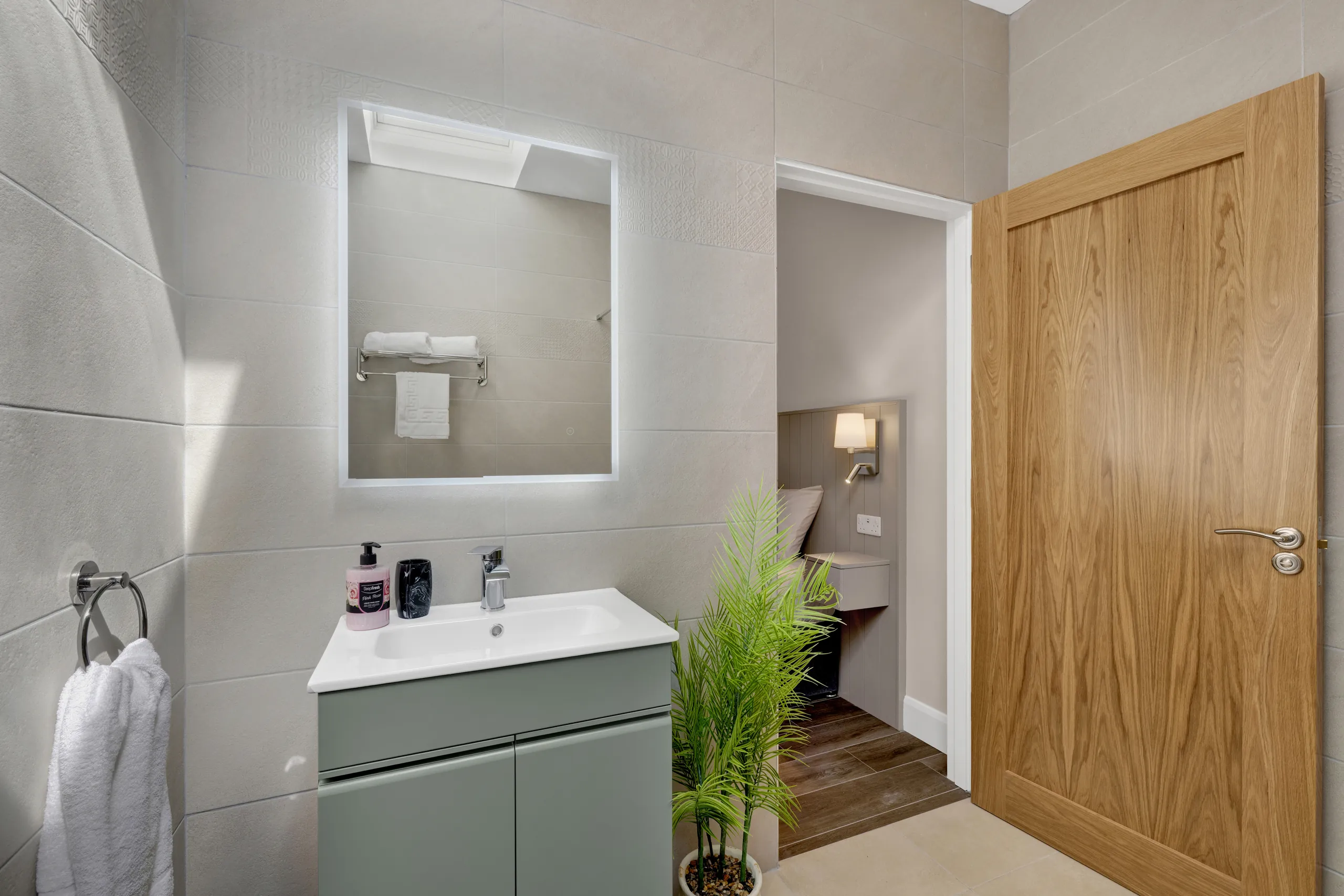
If photography is included, ask how the visual plan will reflect the home. For many listings, strong property photography is the starting point. Some properties may benefit from film, a 3D tour or a dedicated listing page, but each element should have a job. Your pre-shoot checklist can help get the important rooms, exterior and everyday details ready before the camera arrives.
Use the valuation to test the advice
A fee conversation should sit alongside a reasoned valuation. Ask how the agent arrived at the suggested asking price, which comparable sales they used and what competing homes buyers will see at the same time. The agent with the highest figure is not automatically the best choice if they cannot show how buyers are likely to respond to it.
Then ask how the presentation supports that position. A family home might need the relationship between kitchen, garden and bedrooms to be immediately clear. An apartment may need to make storage, parking, management details and walkability easy to understand. A rural property may need context for access, land, boundaries or outbuildings. The right media plan follows the buyer's real questions.
For a fuller agent-comparison checklist, read Avera's questions to ask an estate agent when selling. It covers valuation evidence, feedback, local knowledge and the practical launch plan. Together, those answers tell you much more than a commission percentage ever can.
Ask how viewings and feedback will be handled
Marketing is only the beginning. Ask who will conduct viewings, how appointments will be arranged and how quickly you will hear what buyers thought. A busy household, an occupied home or a property with practical access limits needs a plan that works in real life. Clear arrangements help the first week of interest turn into useful feedback rather than a string of missed calls and vague comments.
It is also worth asking how the agent separates one person's preference from a genuine pattern. A buyer may not like a room layout, but repeated comments about the same issue can tell you something valuable about the listing, the price position or the information people still need. The right agent should report what they are hearing honestly, then explain what they think should happen next.
That is why the communication plan deserves a place beside the fee. You are appointing someone to manage a process as well as advertise a property. A clear rhythm of viewing updates and a sensible review point after launch will usually be more reassuring than a polished promise that nothing will need to change.
Keep the comparison fair
It helps to give every agent the same basic brief. Tell them the property type, your hoped-for timing, any likely constraints and the features you believe matter most. Then ask each one for a written proposal against that same picture. If one agent is quoting for photography and another assumes you will arrange it separately, the figures are not directly comparable until the scope is made clear.
Be wary of reducing the decision to a single percentage. A fee can be reasonable only in the context of the proposed service and the home's needs. A straightforward listing may need a focused set of strong photographs and organised viewings. A distinctive property may need more context for buyers before they commit to travel. The better question is whether the proposal removes the doubts a serious buyer is likely to have.
Finally, give yourself time to read the paperwork away from the valuation appointment. A good agent will expect you to compare proposals and ask follow-up questions. That short pause can prevent a costly misunderstanding, and it leaves you free to choose the team that has made the clearest case for your sale.
Choose the proposal you can explain back
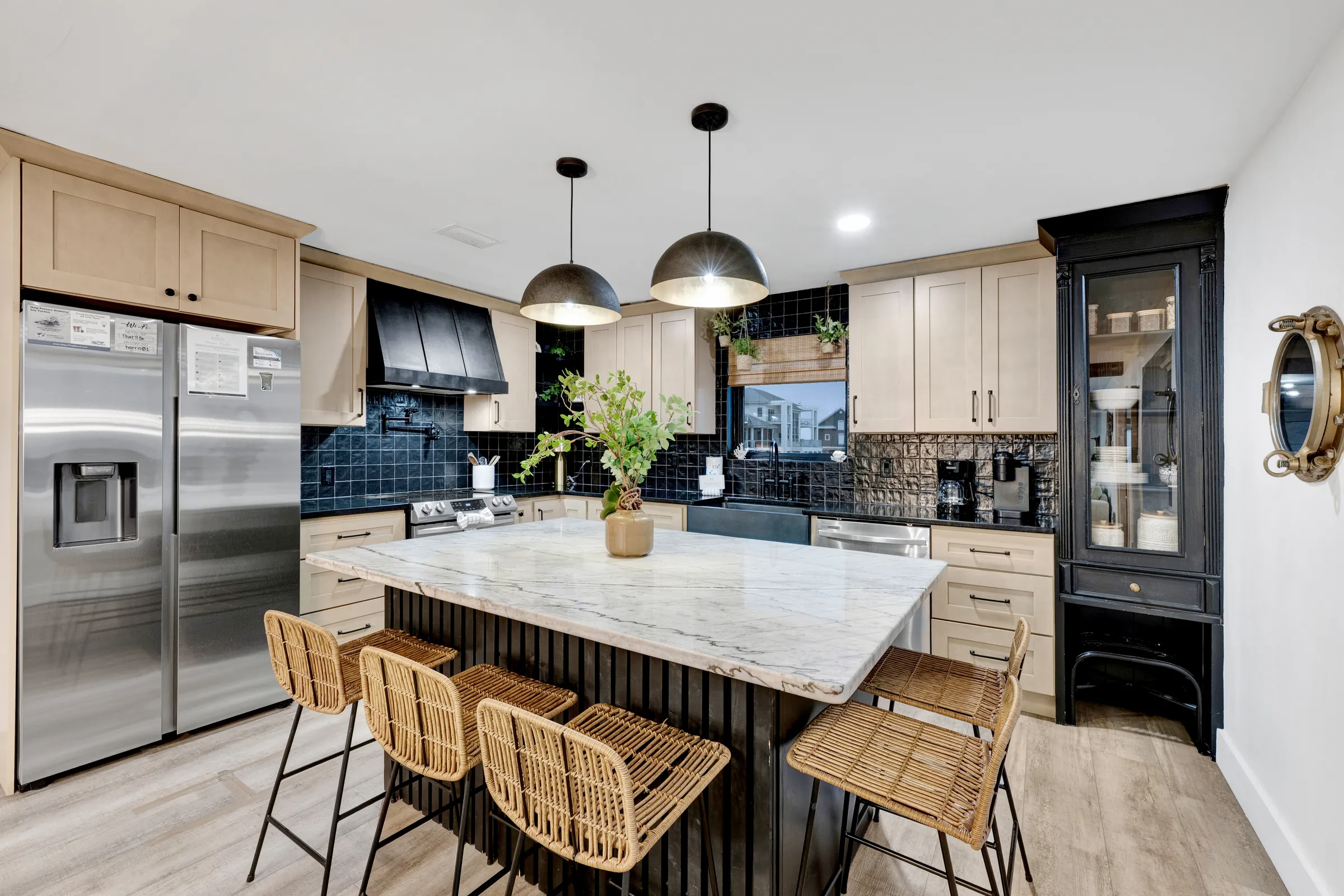
After a few valuations, put the proposals beside each other. Note the fee structure, VAT, included marketing, extra expenses, instruction period, notice terms, valuation evidence and communication plan. If you cannot explain what one proposal includes, ask the agent to clarify it in writing before you decide.
The best choice is rarely the cheapest sentence in the room. It is the proposal that gives you a credible route to market, clear terms and a team you trust to manage the detail once the listing is live. That clarity lets you prepare the home calmly and judge the marketing on whether it helps the right buyer recognise the value already there.
When the sale plan is ready, Avera Design International can support the visual side with property photography, cinematic video, 3D tours and virtual staging. The aim is straightforward: a truthful, considered first impression that makes the home easier to understand.
Frequently asked questions
How are estate agent fees charged in Ireland?
Estate agents may charge a percentage of the sale price or a fixed fee. Ask whether VAT is added, what marketing costs are included, when payment is due and whether any costs can arise if the sale does not complete. The signed Property Services Agreement should set out the terms for your sale.
Does an estate agent fee include photography and advertising?
It depends on the proposal. Ask for an itemised description of what is included, such as portal advertising, photography, floor plans, video, brochures, viewings and any enhanced listing placement. Compare the full scope, not just the headline commission or fixed fee.
Should I choose the estate agent with the lowest fee?
Not automatically. A lower quote may still be right, but compare the agent's local evidence, proposed marketing, communication plan, agreement terms and the people who will manage viewings. The useful question is what each proposal will do for your particular sale.
Can I negotiate estate agent fees in Ireland?
You can ask an agent to explain the fee and the service it covers, then compare proposals before appointing anyone. Do not treat a verbal assurance as the final answer. Read the written agreement carefully and ask about any term, VAT treatment or additional expense that is unclear.