A good house viewing is not about finding faults for the sake of it. It is about giving yourself enough evidence to know whether a home suits the life you want to live there. The first impression matters, but the details behind it matter more once you are considering an offer.
Use this house viewing checklist to slow the process down. It will help you look at the rooms, condition, setting and practical questions in a consistent way, whether you are viewing your first home, moving for more space or comparing several properties in a short period.
1. Take a moment before you step inside
Start at the street, driveway or approach. Notice how the property sits in its setting and how easy it is to reach. Is the front entrance clear and welcoming? Are paths, gates, walls, drains and outside surfaces in reasonable condition? You are not trying to make a survey from the pavement, but the outside often tells you how the home has been maintained.
Look at parking, access, bins, shared entrances and the space around the property. In towns and estates, ask where visitors park and whether there are any practical restrictions. For rural homes, take note of the road, sight lines, neighbouring land and the route you would use every day. A beautiful room will not make a difficult daily arrival any easier.
Then pause and look up. Check the roofline, gutters, chimneys, windows and external finishes from a distance. You may not be able to judge condition accurately, but obvious cracks, staining, missing slates or neglected joinery are worth remembering and asking about later. Take notes rather than relying on memory after a busy viewing.
2. Let the layout reveal how the home works
Once inside, resist the urge to move straight to the most attractive room. Walk through the property in a natural order and consider how the spaces connect. Where do coats, shoes and bags go? Is there an easy route from parking to the kitchen? Does the main living space work for the number of people who will use it, and can you move from room to room without squeezing around furniture?
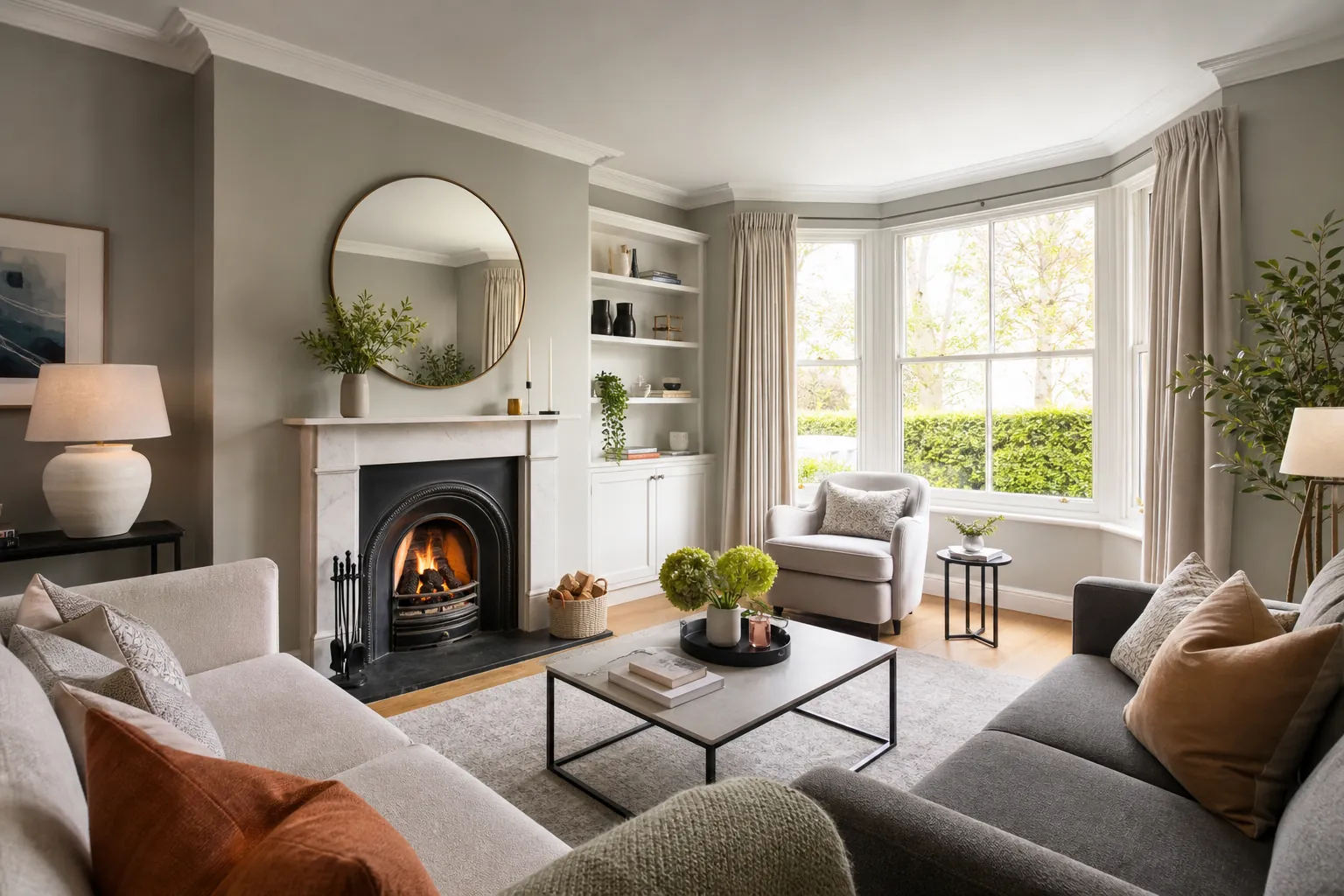
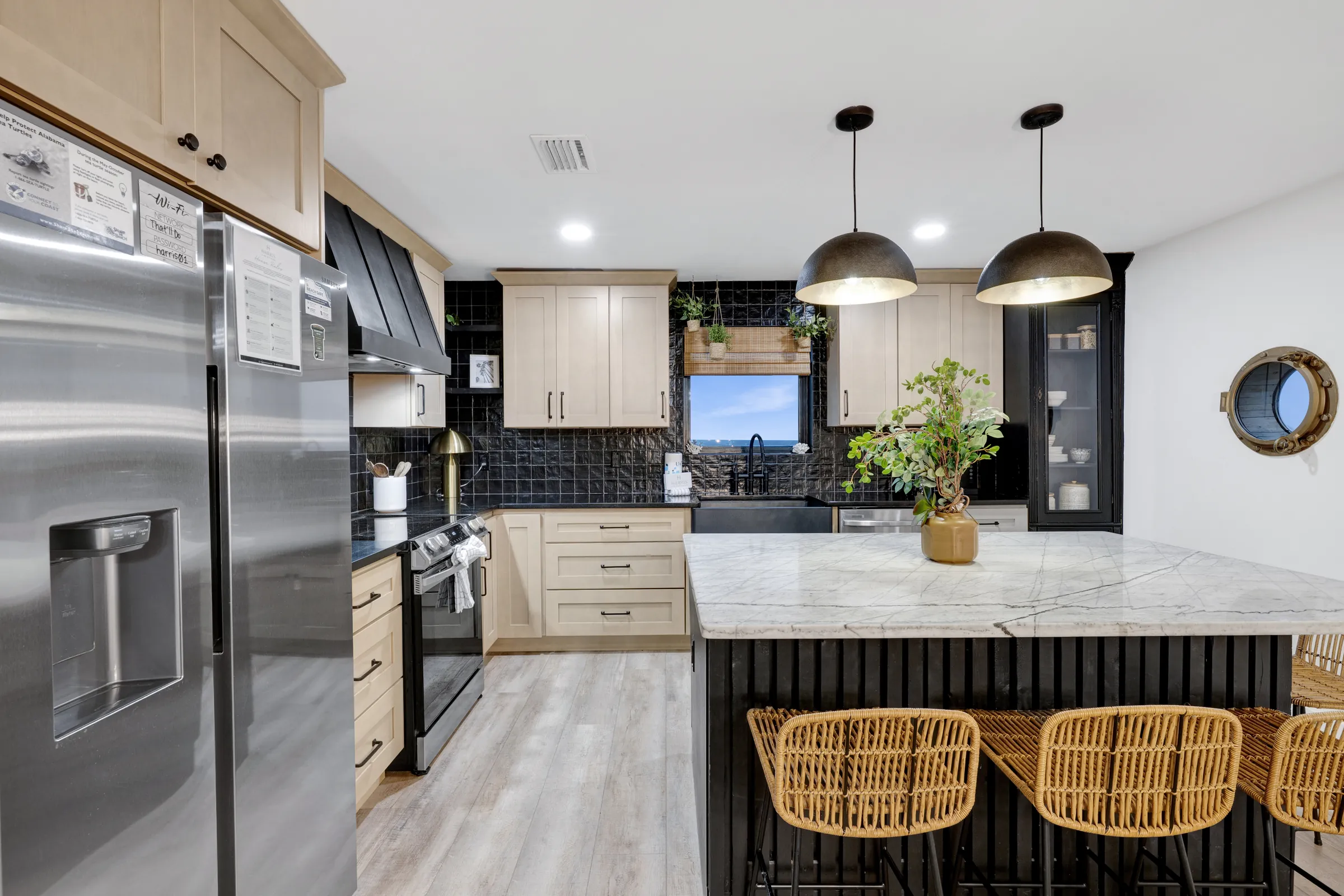
Pay attention to the rooms that will carry the ordinary parts of life. A kitchen can look excellent in photographs, but you need to know whether there is enough preparation space, storage and room to eat. A bright sitting room is appealing, but check where the television, seating and everyday belongings would actually go. Good property photography helps a listing explain flow and light, but a viewing is where you test whether that flow works for you.
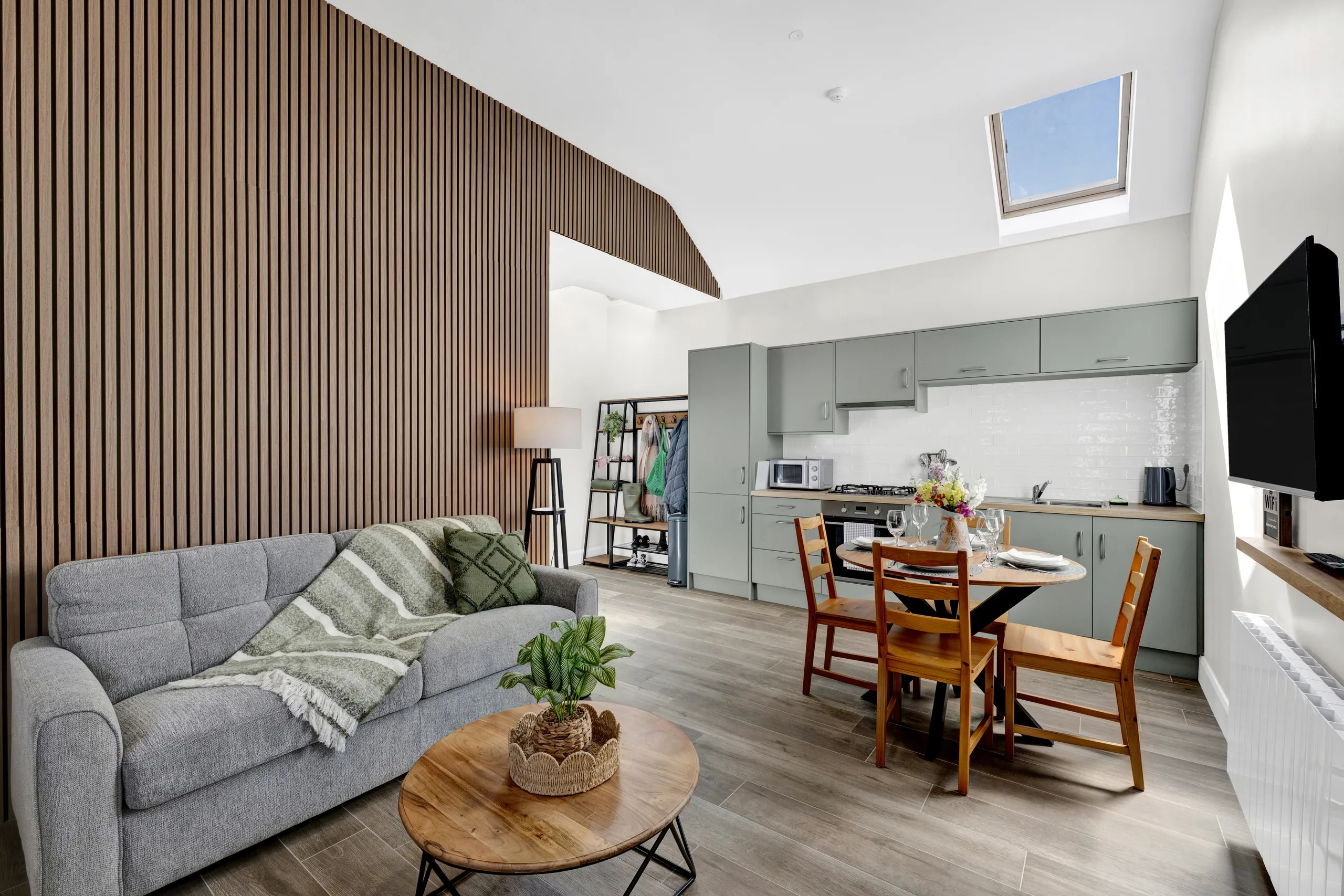
Ask yourself whether each room has a clear role. A box room may be a useful office, nursery or storage space, but only if its proportions support that use. Open-plan layouts can be flexible, though they also need enough defined zones for cooking, eating, relaxing and working. Do not dismiss a layout because it differs from your current home. Just make sure you can see a believable place for the routines that matter to you.
3. Check light, noise and privacy at room level
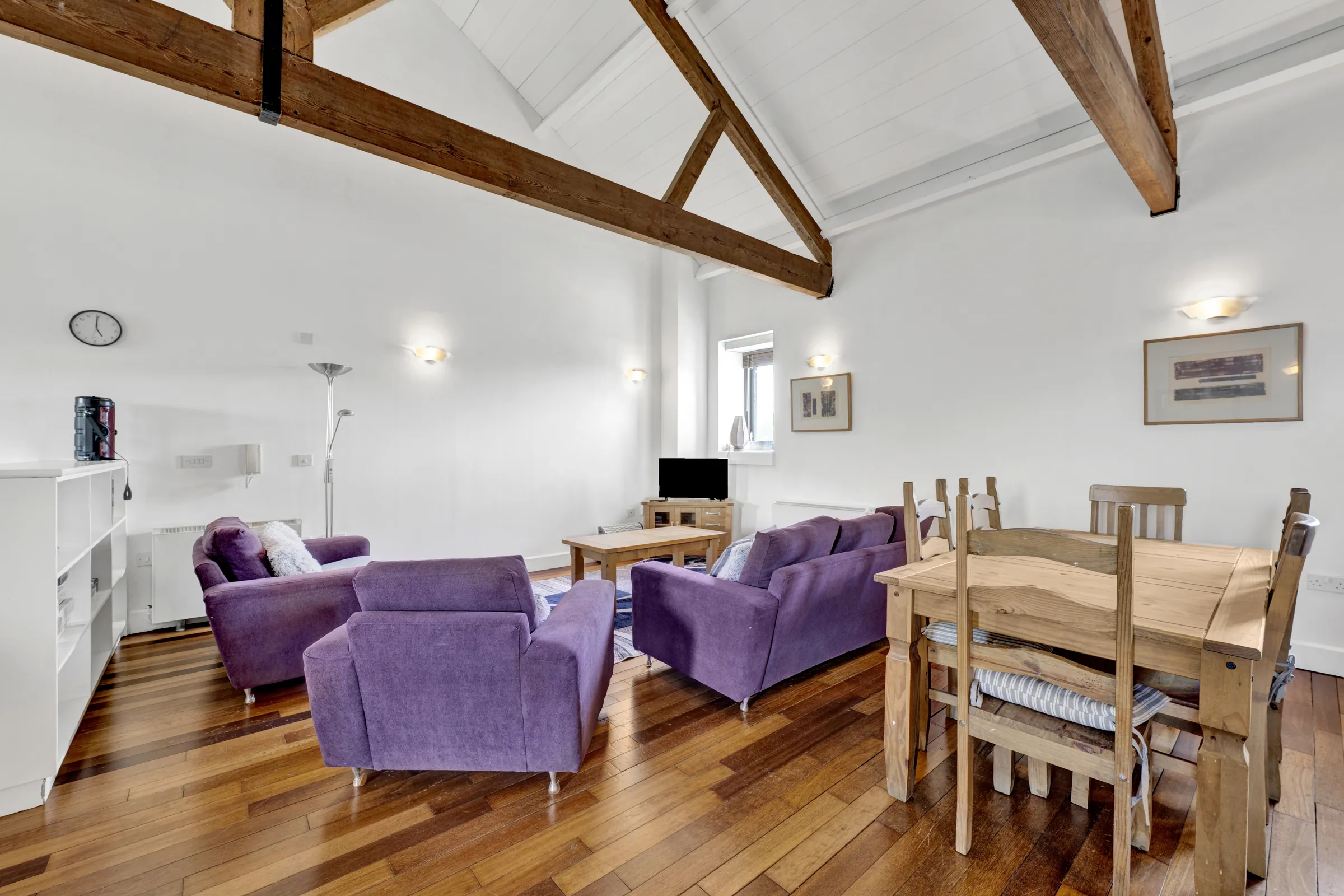
Light changes the feel of a home, so notice where it comes from and where it does not. Stand near the windows, look at the direction of the main rooms and ask when the property gets its best daylight. A grey day can make almost any room feel flatter, which is one reason a second viewing can be useful. The question is not whether every room is flooded with sun. It is whether the light feels right for how you would use the space.
Open-plan rooms and gardens are especially worth checking for privacy. Look directly across from the windows, the patio and the main seating areas. Are you overlooked by nearby homes, a public path or passing traffic? Is there a practical way to add screening if you want it, or would that make the room darker?
Listen as well. Turn off your phone and stand quietly for a minute in the rooms that matter most. Notice road noise, trains, aircraft, neighbours, barking dogs, commercial activity or a busy communal area. Some noise is ordinary and location-specific, but a short silent pause gives you a far better picture than trying to judge through conversation. If you like the home, visit the area again at the times you would normally be there.
4. Look for signs of care and signs that need questions
A viewing is not a substitute for a survey. You are not expected to diagnose a property, and you should not make major decisions based on a quick guess. What you can do is notice the visible details that deserve a clearer answer before you move forward.
Look at walls and ceilings for cracks, staining, bubbling paint or patches that seem recently repaired. Check around windows, behind curtains and near external doors for signs of damp, draughts or condensation. Open and close a few doors and windows. Notice whether floors feel uneven, whether there is a persistent smell and whether any rooms feel colder than the rest. One mark or sticky door does not automatically signal a serious issue, but a pattern of neglected details changes the conversation.
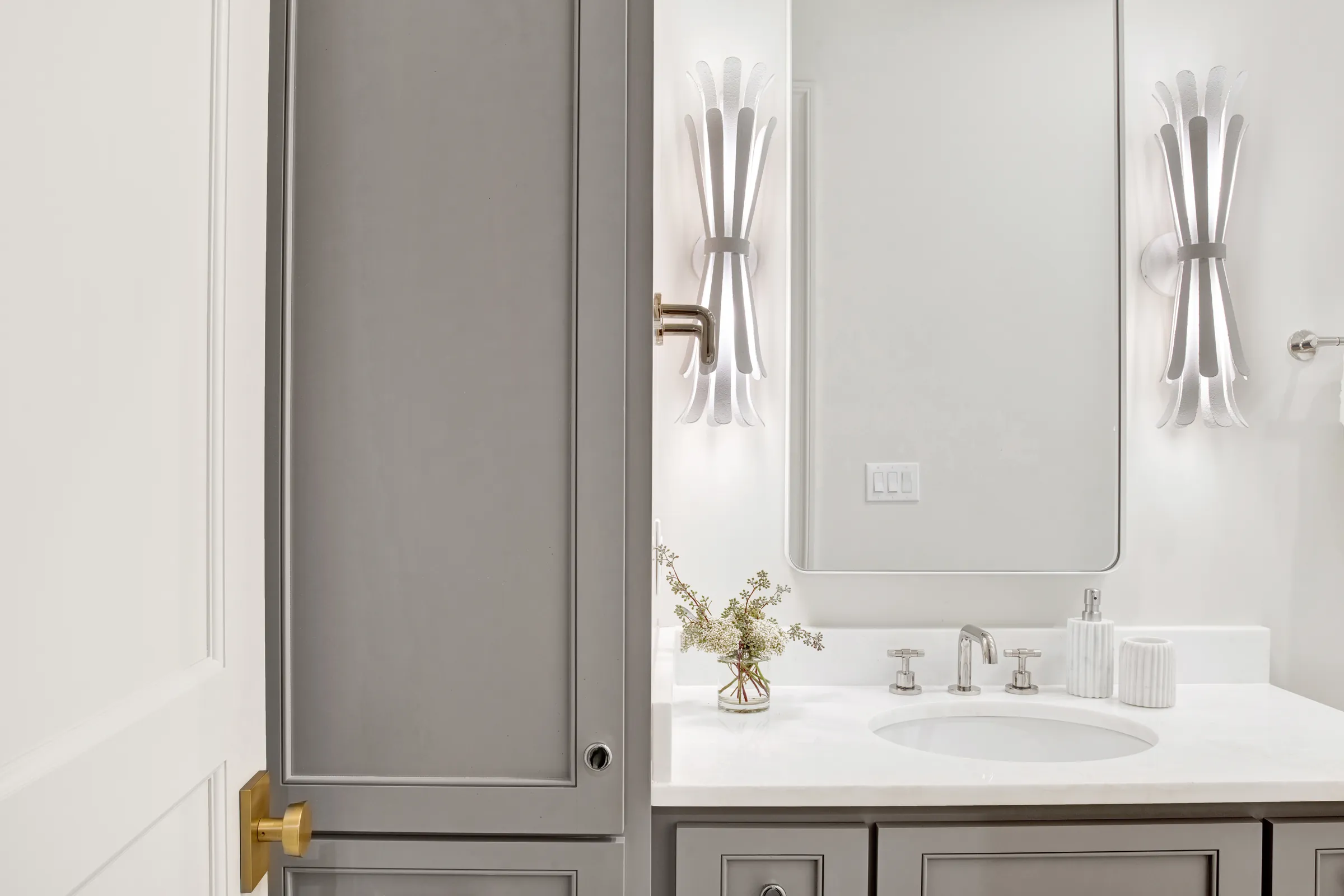
Bathrooms and kitchens often show condition quickly because they deal with water every day. Look at sealant, tile grout, extractor fans, taps, under-sink units and the areas around baths or showers. In a utility room, check how practical the plumbing, storage and ventilation appear. A polished room can still have tired fittings, so use a calm, close look rather than judging only the overall styling.
5. Ask about warmth, running costs and practical systems
Comfort is not just a feeling when you walk in the door. Ask about the heating system, when it was installed or serviced, what fuel it uses and whether there are any controls or zones you should understand. If the home has a stove, fireplace, solar panels, heat pump, underfloor heating or a private water or wastewater system, ask how it is used and maintained.
The BER is a useful starting point for understanding a home’s energy performance. Ask the estate agent for the rating and whether there have been improvements since the assessment. It will not tell you every future bill, but it helps you compare homes on a more practical basis than a warm viewing on a sunny afternoon.
Check the things that make everyday life run smoothly: broadband availability, mobile signal, water pressure, storage for bins, laundry space and the location of meters or control panels. In apartments or managed developments, ask about service charges, what they cover, parking arrangements and any rules that affect pets, alterations or short-term letting. None of these questions are glamorous, but they are often the ones that matter six months after moving in.
6. Treat storage as part of the floor plan
Storage is easy to overlook when a home is tidy for a viewing. Open the wardrobes, press cupboards and utility storage where appropriate, then imagine your own household in their place. You do not need every shelf to be empty. You need to see whether the storage is useful, accessible and in the right places.
Look for space for coats near the entrance, food near the kitchen, towels near bathrooms, linen close to bedrooms and the everyday items that tend to collect in living rooms. Garages, sheds and attics can be valuable, but ask how they are accessed and whether they are dry, secure and practical for the things you would store there.
It also helps to notice what is missing from view. If there is nowhere obvious for a vacuum, drying rack, pram, sports kit or recycling, that may explain why the rooms feel so clear. This is not a reason to reject a home. It is a reason to plan honestly, rather than discovering the compromise after you have moved.
7. Spend as much care on the outside space
Gardens, balconies, yards and shared outdoor areas deserve more than a glance through the back door. Step outside and think about how you would use the space in ordinary weather, not only on the viewing day. Is there a comfortable place to sit? Can you dry clothes, store bikes or garden equipment, let children play or keep a pet safely? Is the boundary clear, and are there trees, drains, walls or slopes that will need regular attention?
Look at where the sun falls and how overlooked the space feels. Check the route around the property too: side access can make bins, deliveries, gardening and future work much easier. For properties with land, a significant view or a more unusual setting, aerial photography and video can make scale easier to understand in a listing, but only time on the ground tells you how the place feels.
Ask what is included. Garden structures, furniture, appliances and outdoor lighting may be part of the sale or may be removed. Take note of any feature that has influenced your decision so you can confirm it later rather than assuming it stays.
8. Look beyond the boundary before you decide
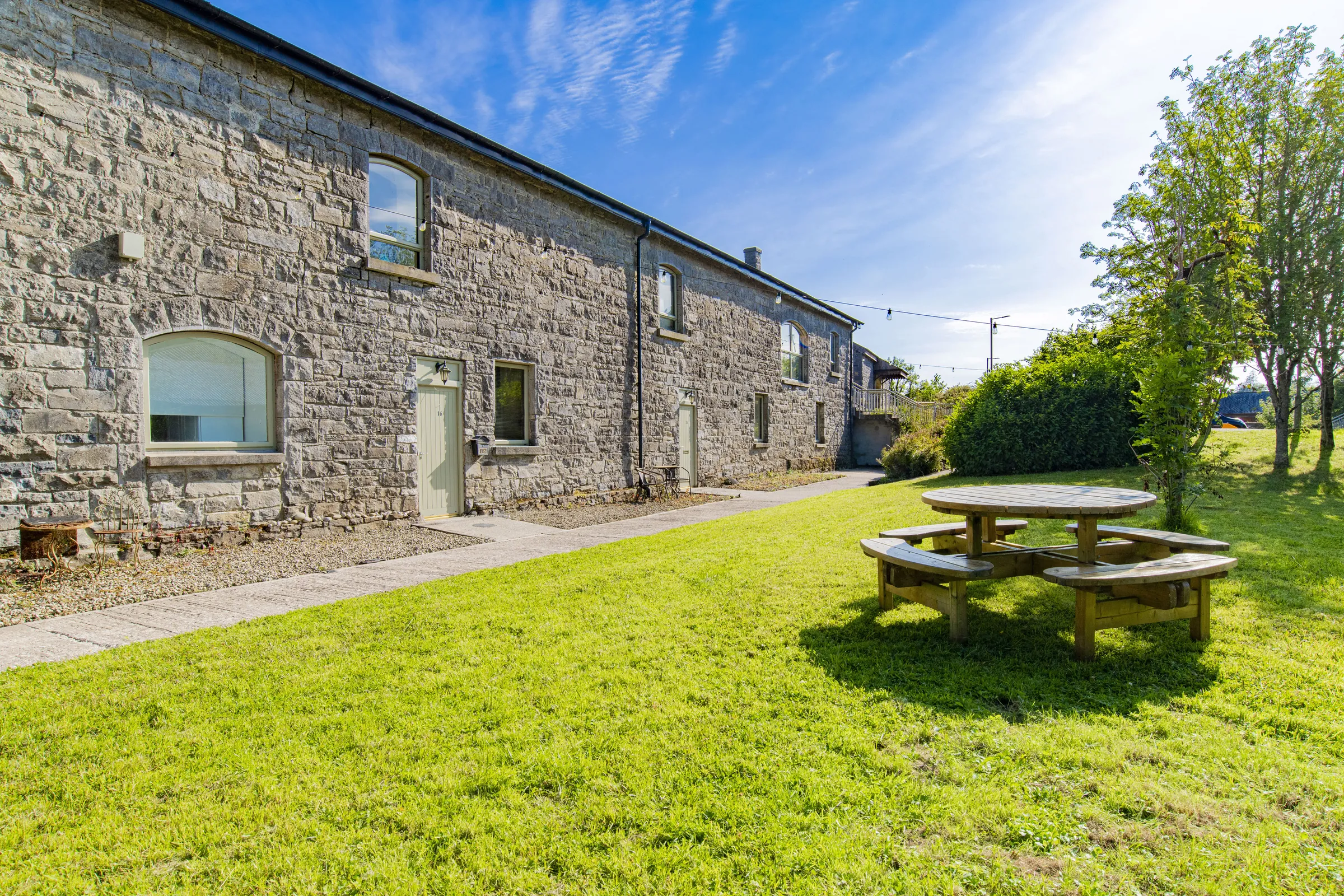
The home is only one part of the decision. Walk the immediate area after the viewing if you can. Check the route to shops, schools, work, public transport and the places you expect to use regularly. Look for nearby construction, busy roads, public spaces, commercial premises and anything else that may affect the experience of living there.
Try not to make assumptions about an area from one quiet hour. A street can feel very different at school-run time, in the evening or at the weekend. If a property is high on your list, return at another time of day. Park nearby, walk the route and notice what you would notice as a resident.
This wider check is especially important when a listing has been beautifully presented. Strong images and a clear property gallery should help you understand the home’s best qualities. Your own visit needs to test the practical context around those qualities, so the final decision feels grounded rather than rushed.
Bring this with you
Your quick viewing checklist
- Check the approach, parking, access and exterior condition.
- Walk the layout in the order you would use it each day.
- Notice light, noise, privacy and room proportions.
- Look closely at windows, ceilings, floors, kitchens and bathrooms.
- Ask about the BER, heating, broadband, service charges and recent work.
- Open storage where appropriate and picture your own belongings there.
- Step outside and consider sun, boundaries, drainage and daily use.
- Compare every serious property using the same notes, not just memory.
9. Ask questions that help you compare homes fairly
It is easy to leave a viewing thinking of the questions you meant to ask. Keep a short list on your phone and use it for every property. Ask why the home is being sold, how long it has been on the market, what recent work has been done and whether there are any details the current owners or agent believe a buyer should know. The answers may not change your decision immediately, but they will show you where to investigate further.
For a second viewing, go back to the rooms you rushed through the first time. Measure where useful, check the storage again and ask someone you trust to come with you. They may notice the lack of a dining area, an awkward stair, a noisy bedroom or a practical advantage you overlooked. A second pair of eyes is valuable because a home that feels promising can make anyone selective about what they notice.
When a property remains a serious possibility, line up the formal next steps with the right professionals. Your lender, solicitor and surveyor are there to help you investigate the legal, financial and physical questions properly. A careful first viewing does not replace that work. It gives you a better basis for deciding whether the work is worth commissioning.
How Avera Design International Helps Sellers Make a Home Easier to Understand
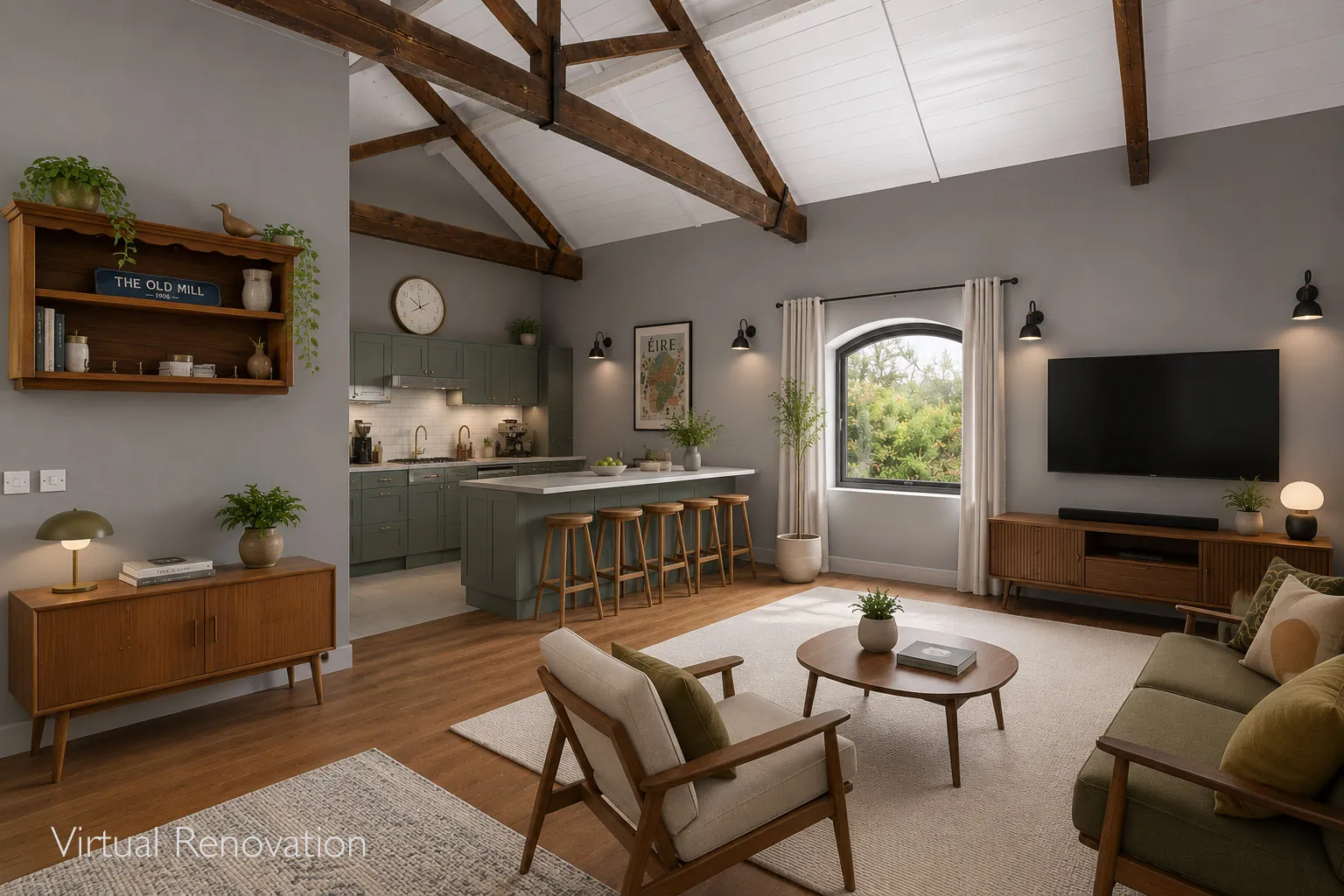
Buyers make better decisions when a listing is clear about the space, light and setting from the start. Avera Design International brings together property photography, film, 3D tours, aerial media and virtual staging to help a home communicate its strongest real qualities before the first viewing.
For sellers and estate agents, the preparation matters just as much as the final images. Our selling a house presentation checklist explains how to prepare a property before it is photographed and marketed. When you are ready to plan the visual side of a listing, request a shoot.
Frequently asked questions
How long should I spend at a house viewing?
Give yourself enough time to walk through the home without rushing, compare rooms with the listing and ask the questions that matter to you. A first viewing is mainly for deciding whether the property deserves closer attention. If it does, return for a second viewing at a different time of day and bring someone who will notice different details.
Should I view a house twice before making an offer?
A second viewing is sensible when the property is a serious contender. It gives you a chance to check details that were easy to miss the first time, see how the light or traffic changes and focus on the rooms, storage and outside space you would use most.
What documents should I ask about when viewing a home in Ireland?
Ask the estate agent about the BER, the age and type of heating system, recent work, service charges where relevant and any details that affect how you would use the property. Your solicitor, surveyor and lender should guide the formal checks before you commit, but early questions help you decide what needs proper follow-up.
What is the biggest mistake people make at a viewing?
Letting one impressive room or a polished first impression decide everything. A home can feel right and still need a careful look at condition, layout, storage, running costs, outdoor space and the area around it. Use the same checklist at every viewing so you can compare properties fairly.