Home staging is not about making a property look like somebody else lives there. It is about helping a buyer understand the rooms, the light and the everyday potential of the home before they visit. When a listing is easy to read at a glance, a buyer can spend more time considering whether it suits them and less time trying to look past clutter or guess how a room works.
These home staging tips focus on the practical work that makes property photos and viewings clearer. Start with the real strengths of the house, make the important spaces simple to understand and leave the heavy spending for changes that genuinely matter to the sale plan.
Start with the buyer, not a decorating project
Before moving furniture or buying accessories, speak with your estate agent about the likely buyer and the features that make the property distinctive. A family home, a compact town apartment, a coastal cottage and a rural house with land will not need the same emphasis. The aim is to bring the right qualities forward, not to make every room look identical.
Walk through the house as though you are seeing it for the first time. Where does the eye go when you enter? Which rooms feel immediately useful, and which ones need a little help explaining their purpose? Note the strongest natural light, useful storage, a view, a garden connection or a flexible room. These are the details that should stay visible when the home is photographed.
It also helps to keep staging within the wider sale plan. The selling a house presentation checklist covers the practical preparation around the launch, while this guide concentrates on making each room easier to see. For most homes offered for sale in Ireland, a BER certificate must be available through the advertising or selling agent, so check that practical detail early rather than treating it as a last-minute addition.
Give every room one clear job
Buyers do not need every room to be styled within an inch of its life. They need to understand what it can do. A room used for office work, storage, exercise equipment and laundry at the same time may be perfectly normal while you live there, but it is hard to read in a listing. Choose the most convincing real use and make that use obvious.
A spare room can be a guest room, nursery, study or practical office. A dining area can be a place to eat rather than a holding area for paperwork and bags. In a large open-plan room, establish simple zones so the buyer can see where cooking, eating and relaxing naturally happen. Removing the conflicting items is often more effective than adding new ones.
This is also where honesty matters. Do not disguise a small room as something it cannot comfortably be, or hide a maintenance issue behind a throw and a plant. Staging should clarify the real property. It works when it gives a buyer a better starting point for imagining their own life there, not when it creates a surprise at the viewing.
Clear the visual noise before adding anything
The quickest staging improvement is usually subtraction. Clear the things that pull attention away from the room itself: surplus furniture, charging cables, pet supplies, piles of post, cleaning products, family photos, crowded shelves and items stored on the floor because there is nowhere else for them to go. You do not need an empty home. You need enough clear space for the features and proportions to show.
Start with the areas a buyer will inspect closely. Kitchen worktops, bathroom surfaces, bedside tables, hallways and the entrance collect everyday objects quickly. Clear them fully first, then add back only what makes the room feel calm and useful. A simple bowl, a neatly folded towel or a well-placed lamp can be enough. Several small decorative objects usually read as clutter in a photograph.
Personal belongings deserve the same calm edit. Buyers should be able to appreciate a home with character, but a gallery wall of private photographs, a shelf full of trophies or highly specific decor can make it harder for them to picture themselves there. Store the things you would be worried about during viewings anyway, including valuables, medications and paperwork.
Do not forget storage. A packed wardrobe or utility room may be useful in real life, but it can make a home look as though it has nowhere for ordinary possessions to go. Leave enough breathing room around shelves, hanging rails and cupboards that the storage itself is visible. Your photographer and agent can decide which useful storage spaces are worth showing.
Use light, flow and furniture scale to show the space
Good staging makes it easier to understand the route through a home. Stand in each doorway and check whether furniture creates a natural path or blocks it. A large sofa, spare chair or oversized side table can make an otherwise generous room feel difficult to use. Move or remove the pieces that interrupt the route, especially between a kitchen and dining area, a living room and garden, or the entrance and the main rooms.
Light needs the same practical attention. Clean windows, open curtains, lift blinds and clear window ledges so daylight has a clear path into the room. Replace obviously mismatched bulbs and make sure the lamps that will be seen are working. Natural light is usually the strongest starting point, but the goal is not to make every room look artificially bright. It is to let the home look cared for and easy to understand in the conditions it genuinely has.
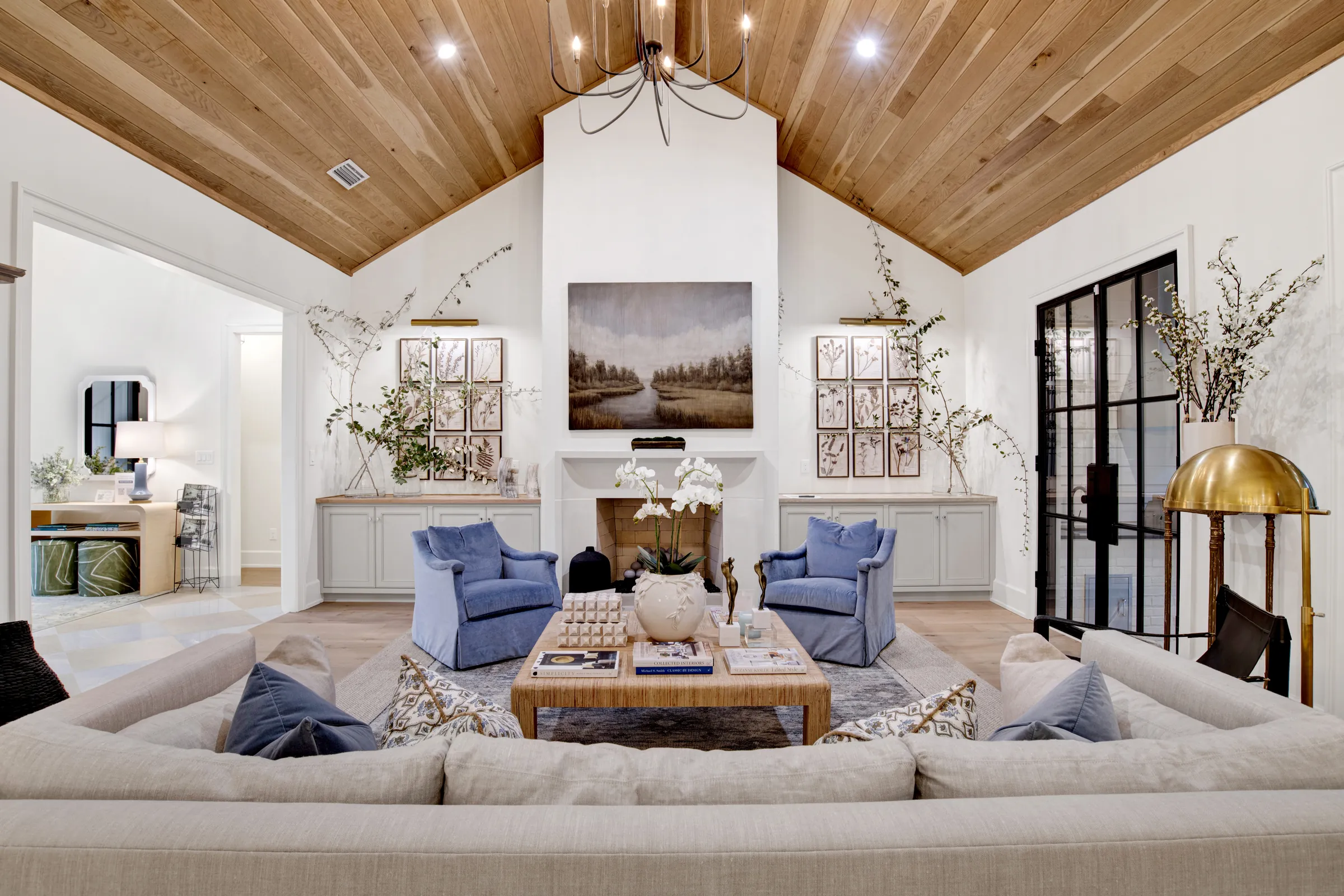
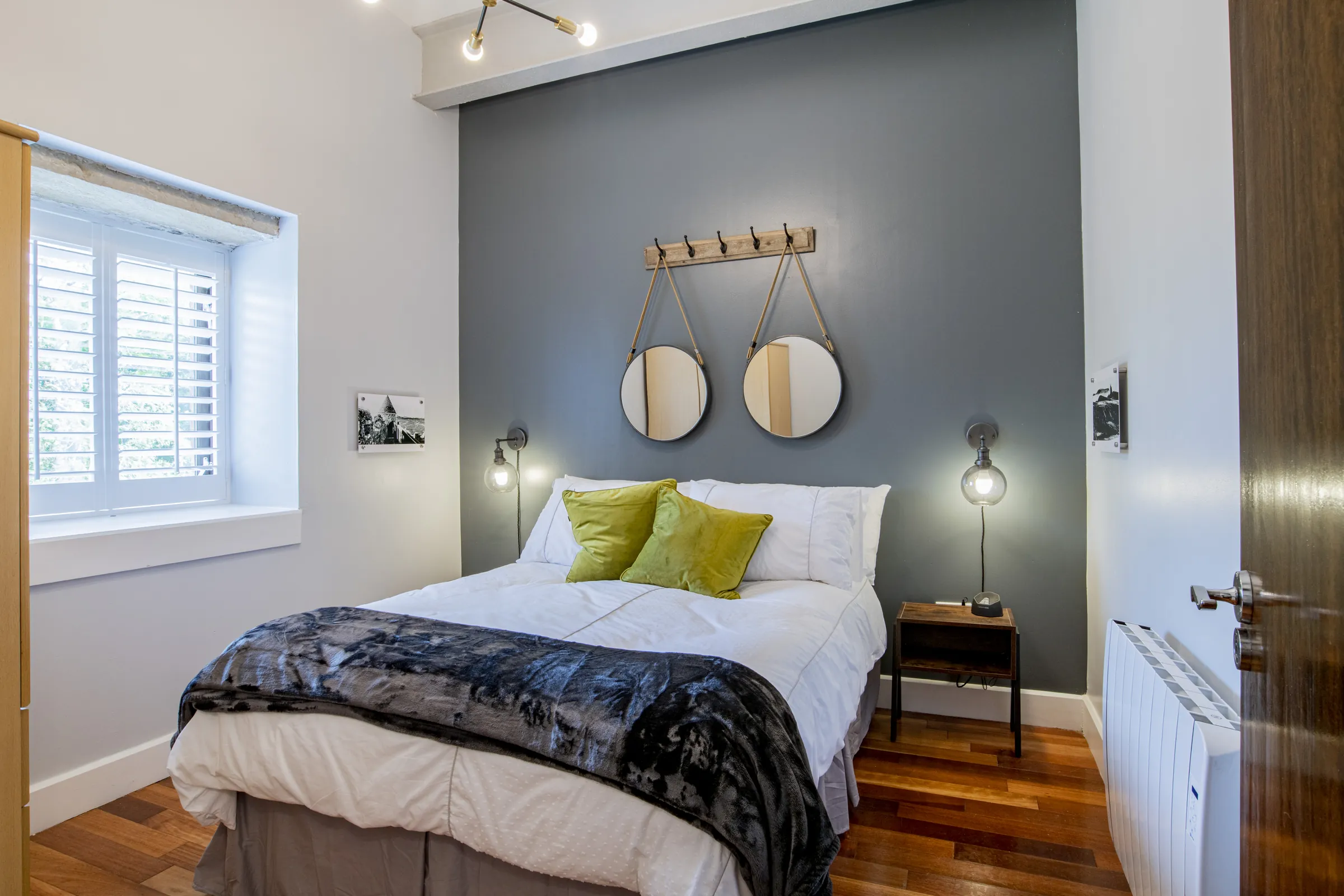
Furniture should show scale, not compete with it. A well-sized bed helps a buyer judge a bedroom. A dining table can make an open-plan area feel useful. A room packed with furniture, rugs and accessories can make the available floor area disappear. Keep the key pieces that define the room, then edit the rest. This gives a property photographer room to find angles that explain the layout without relying on a narrow or misleading view.
Prioritise the rooms buyers compare most closely
Every room deserves to be clean and functional, but a handful will carry most of the listing. Put the largest share of your effort into the entrance, kitchen, main living room, primary bedroom, bathrooms and the outdoor area that best explains the setting. Prepare these rooms first so the important work is complete even if time is tight.
Kitchen
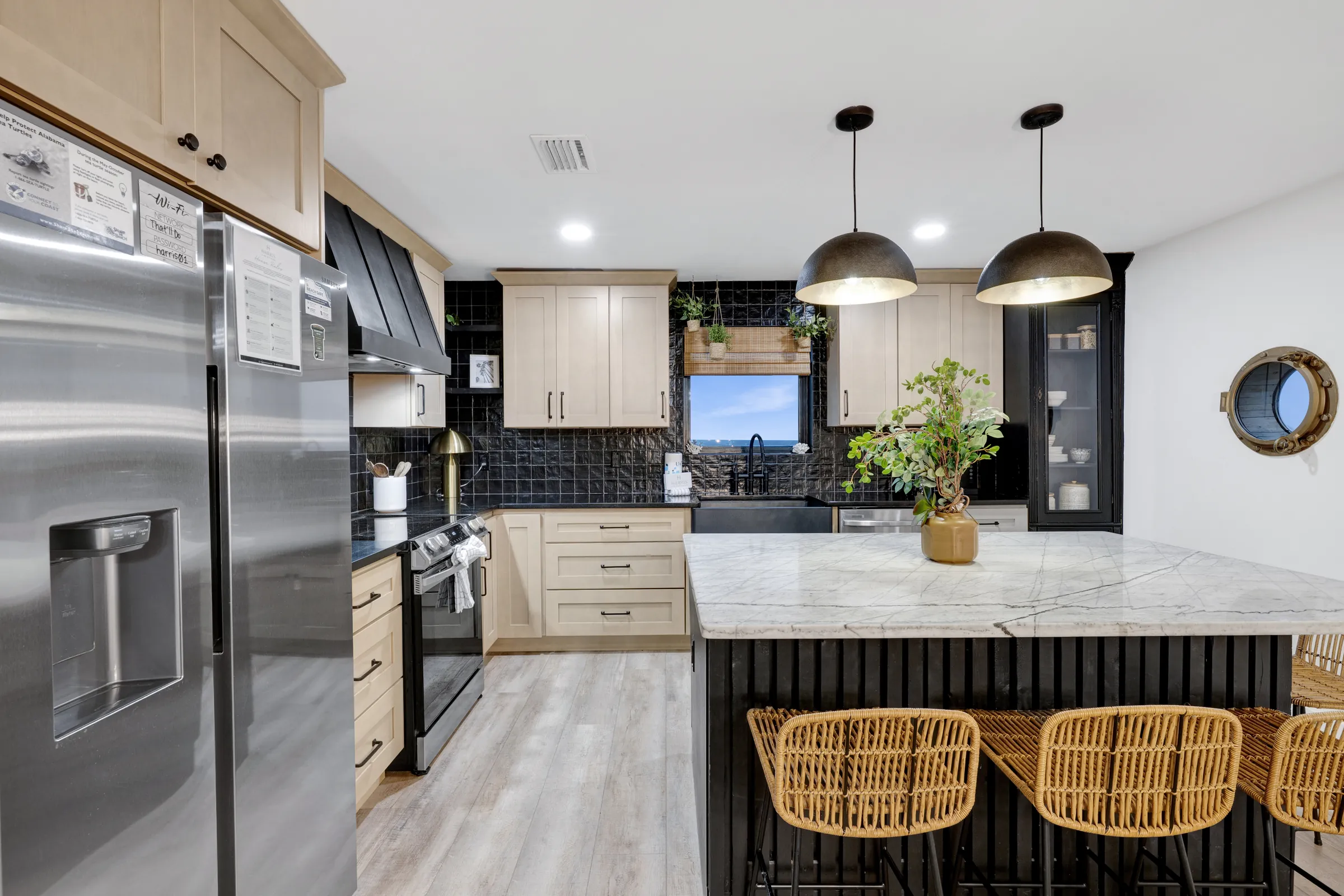
Clear worktops until the room feels spacious and usable. Store dish racks, cleaning bottles, pet bowls, bulky appliances and fridge magnets. Clean the sink, taps, splashback and appliance fronts. Leave only a few intentional items, such as a bowl of fruit or a small plant, if they add warmth without taking over the surfaces.
Living spaces
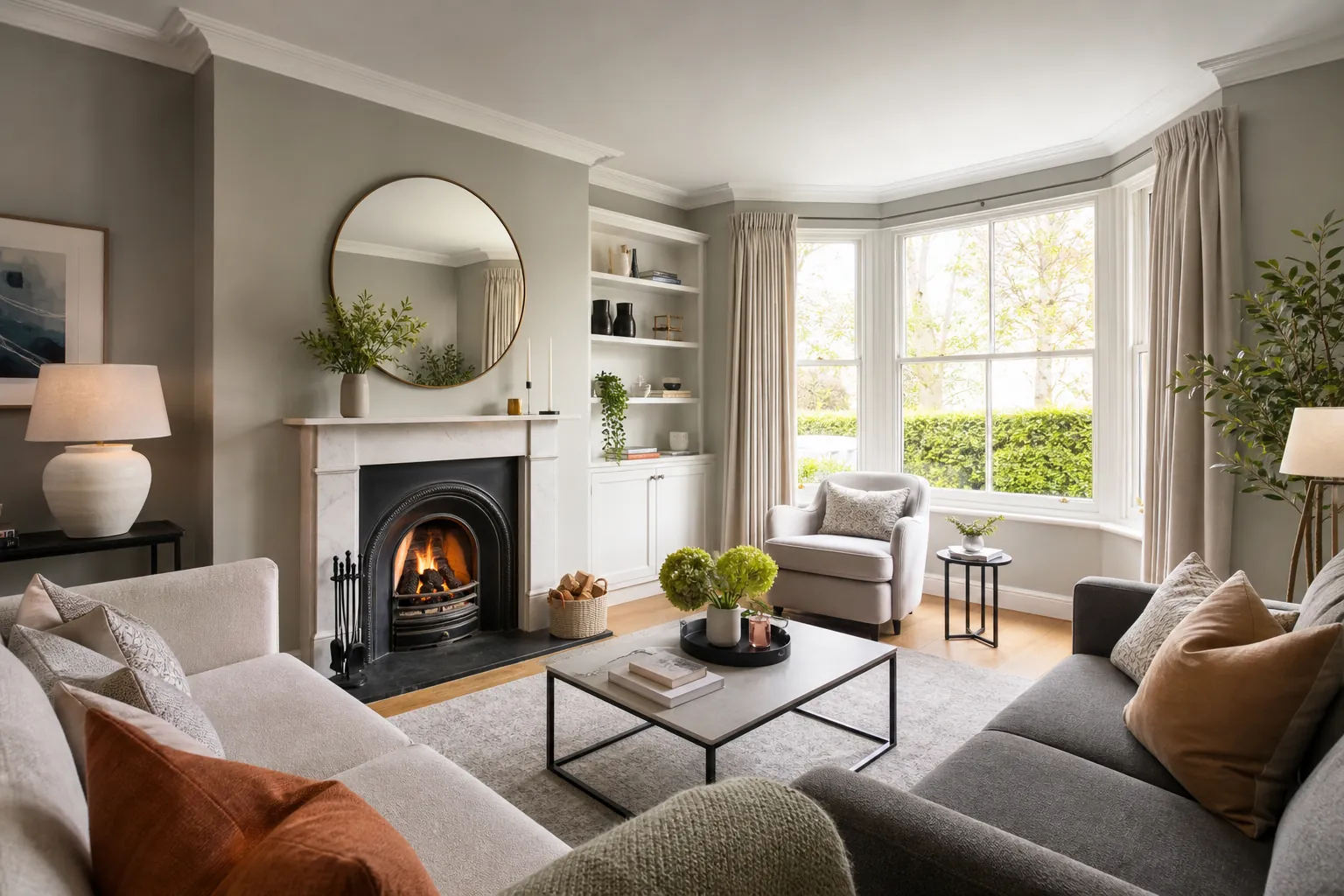
Arrange seating to show how people can move through the room and where they might gather. Let a fireplace, bay window, view or garden door remain visible. Remove anything that causes the eye to stop before it reaches the strongest feature. If the room is empty or its purpose is genuinely hard to read, selective virtual staging can help explain scale, but the original room should remain clear.
Bedrooms and bathrooms
Make beds neatly, clear bedside surfaces and put everyday clothing away. Bathrooms need the strictest edit: store toiletries, toothbrushes, bins and laundry, polish mirrors and glass, and use fresh simple towels. The target is not a hotel set. It is a clean, calm room that gives the buyer confidence about the condition and proportions.
Stage the arrival and outdoor space with equal care
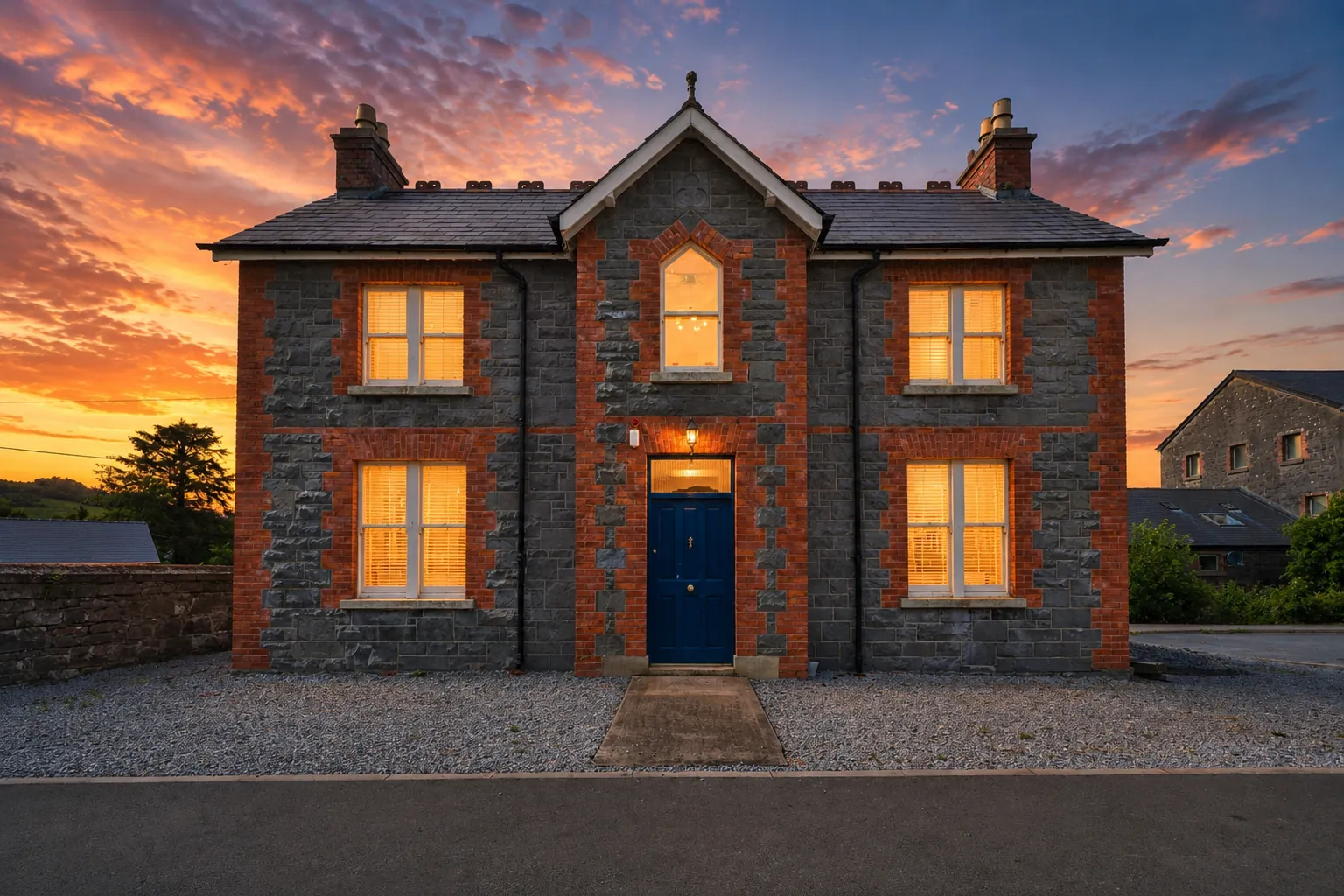
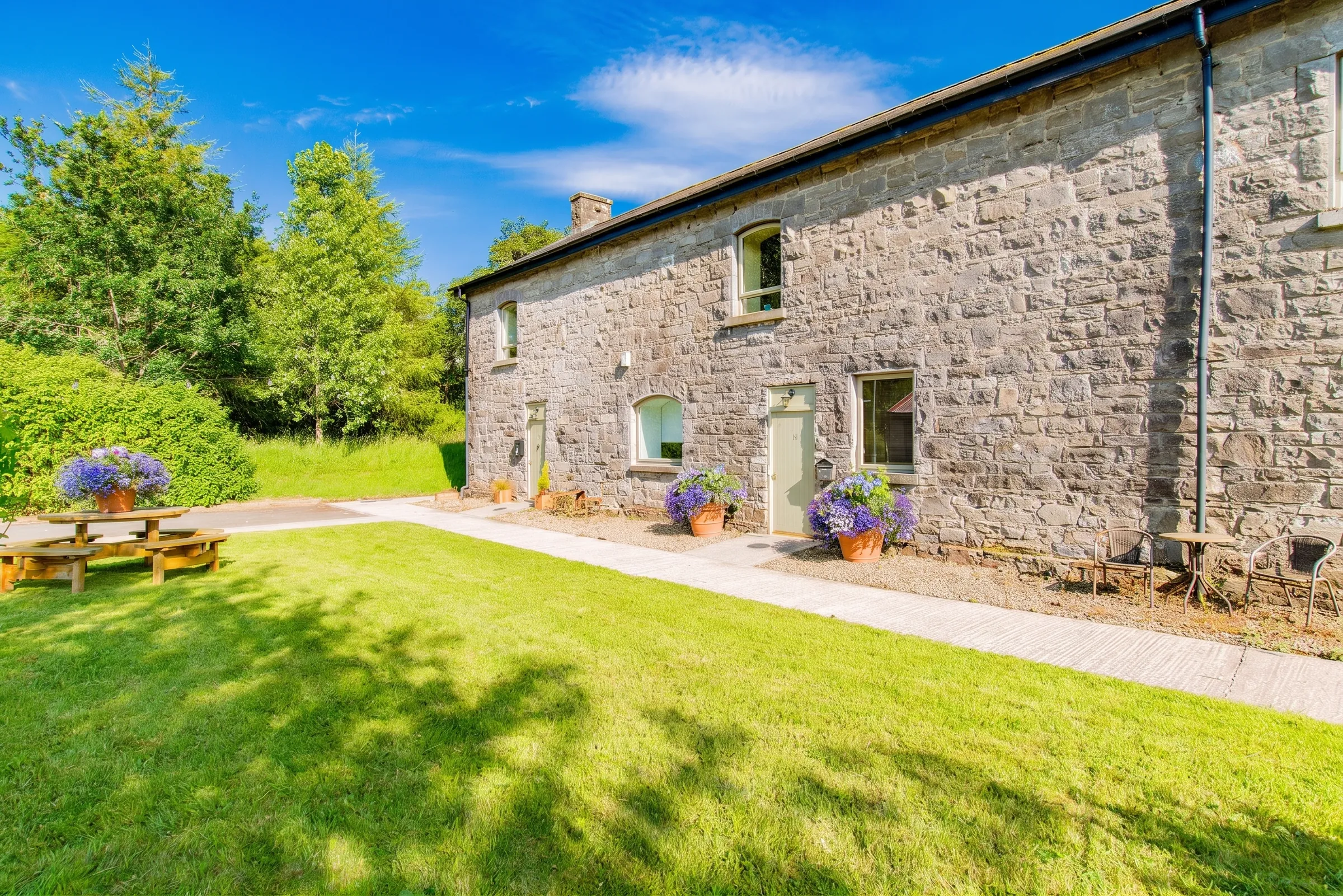
The buyer starts forming an opinion before they open the front door. Walk from the road, driveway or parking area to the entrance and remove the obvious distractions: bins, hoses, loose tools, toys, broken pots, parked cars and overgrown plants that block a path or window. Sweep the approach, clean the door area and make sure the first arrival feels straightforward and cared for.
Then look at the areas that help explain the setting. A rear garden, balcony, terrace, parking space, outbuilding, gates or a useful side entrance may answer practical questions a buyer will have. Straighten outdoor furniture, clear paths and let the space show what it is for. For a property where grounds, land or the wider setting is part of the appeal, speak with your agent about whether a future aerial service will be suitable once it is available. The priority today is a clear view from the ground.
Strong exterior images should support the same story as the interior. The Avera Design International gallery shows how a property can be photographed to give buyers context without making the campaign feel overproduced. The garden does not need to look like a catalogue. It needs to look clean, usable and consistent with what a visitor will find when they arrive.
Fix the distractions, not every imperfection
Staging has a point of diminishing returns. Prioritise the small repairs that make the home feel cared for and simple to use: sticking doors, loose handles, blown bulbs, tired sealant, scuffed paint, dripping taps or a gate that will not close. These details are often relatively quick to address, and they stop a buyer from being distracted by work that looks unfinished.
Major renovation is a different decision. A new kitchen, full bathroom redesign or expensive decorative overhaul should be based on your sale timing, budget and local market, not on the assumption that every house needs a makeover before it is listed. Ask your estate agent where a buyer is likely to notice a genuine improvement. In some cases, a practical clean, careful preparation and strong photography are more useful than a rushed project.
Energy information should be treated separately from styling. A BER is not a staging accessory, but it is a meaningful part of how buyers assess a home. The SEAI's advertising guidance explains what needs to appear when a property is marketed. Confirming that early keeps the campaign accurate and lets you focus the visual work on the space itself.
Make the property photo-ready without making it fragile
The best staging plan can survive the photography day and the next viewing. Before the photographer arrives, set aside one cupboard, room, car boot or storage box for the last-minute items that tend to reappear: bags, coats, laundry, pet supplies, remotes and cleaning products. That gives you a quick place to reset a surface without moving clutter from one visible room to another.
Open blinds, check bulbs, clean mirrors and windows, make beds and take bins out of sight. If possible, plan for people and pets to be elsewhere during the appointment. The home will feel calmer, and the photographer can move through the rooms without having to work around everyday activity. A professional shoot is not about documenting every wall. It is about selecting the images that best explain light, flow, finish and setting.
For larger homes or layouts that need more context, a Matterport 3D tour can give serious buyers time to understand the room-to-room flow after the photographs have caught their attention. Where the listing needs a joined-up presentation across imagery, video and supporting material, Avera Design International's campaign media kits can keep the story in one place.
A final reset
Before photos or a viewing
- Clear kitchen and bathroom surfaces, floors and window ledges.
- Put away personal items, pet supplies, bins, cables and paperwork.
- Open blinds, clean reflective surfaces and check the lighting.
- Make beds, refresh towels and give each room a clear purpose.
- Sweep the entrance and outdoor paths, then remove visual clutter.
- Keep one hidden place ready for the last-minute items.
How Avera Design International Helps a Home Read Clearly
Avera Design International starts with the real character of the property, then uses property photography, cinematic video, 3D tours and virtual staging where each one helps a buyer understand it more clearly. The right mix depends on the rooms, setting and sale plan. More media only earns its place when it makes a useful part of the property easier to see.
For sellers and estate agents preparing the next listing, a short staging plan before the shoot gives every image more to work with. Request a shoot when you are ready to plan the visual side of the launch.
Frequently asked questions
What is the difference between home staging and decorating?
Decorating is about making a home suit the people who live there. Home staging is more selective. It removes distractions and makes the scale, light, layout and purpose of each room easier for a prospective buyer to understand.
Do I need to buy new furniture to stage my house?
Usually, no. Start by editing what is already there. Removing surplus furniture, clearing surfaces and giving every room a clear purpose will often do more than buying decorative items. Hire or virtual staging can help in a vacant or awkward room, but it should be used only where it solves a real clarity problem.
Which rooms should I stage first?
Prioritise the entrance, kitchen, main living space, primary bedroom, bathrooms and the best outdoor area. These are the spaces that often establish a buyer's first impression and help them picture how the home works day to day.
Should I stage my home for photos and viewings in the same way?
The basic standard should be the same: clean, clear, bright and easy to move through. Photography may involve a few extra adjustments for the camera, but a simple reset routine means the property can keep matching the impression created by the listing when a buyer arrives in person.