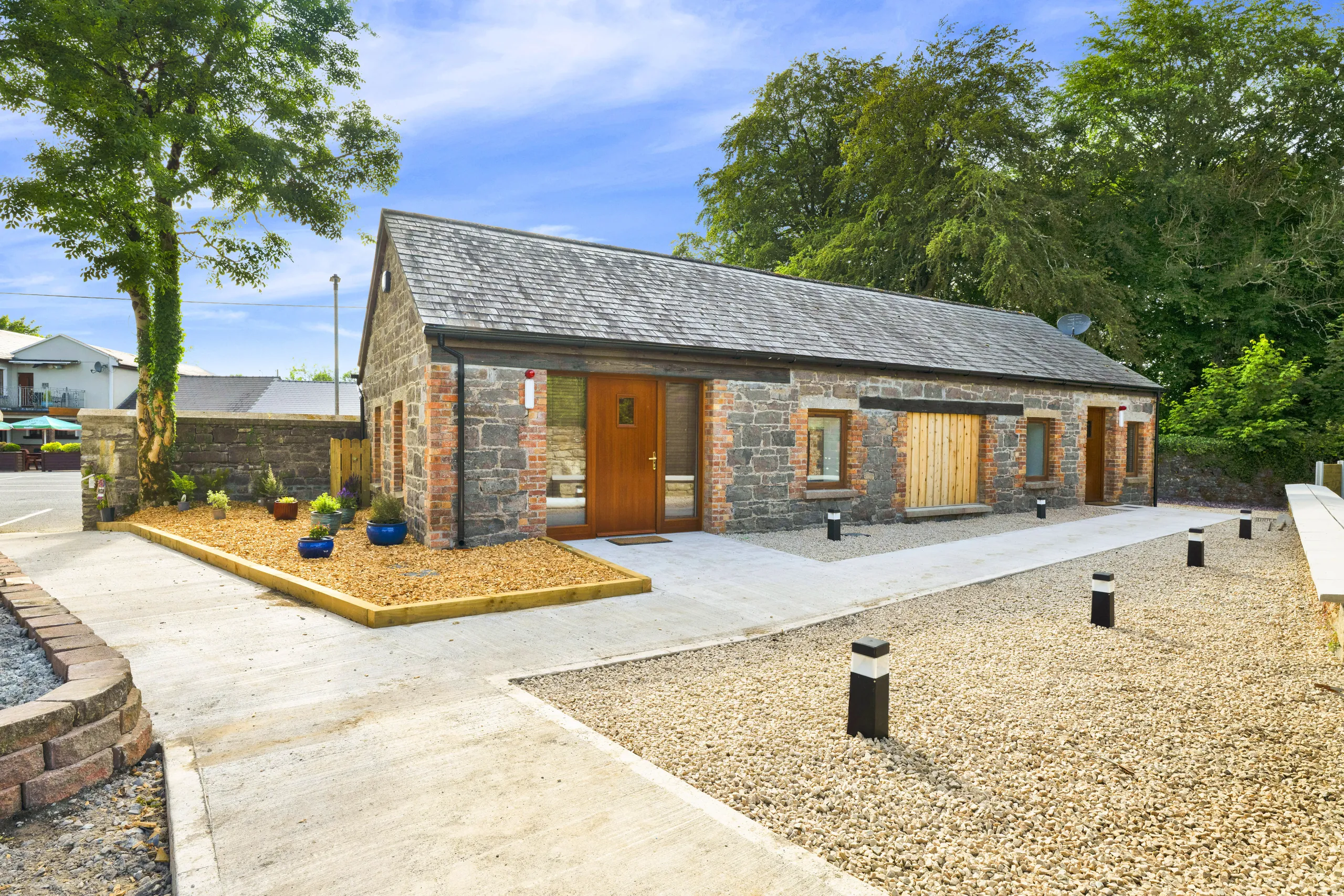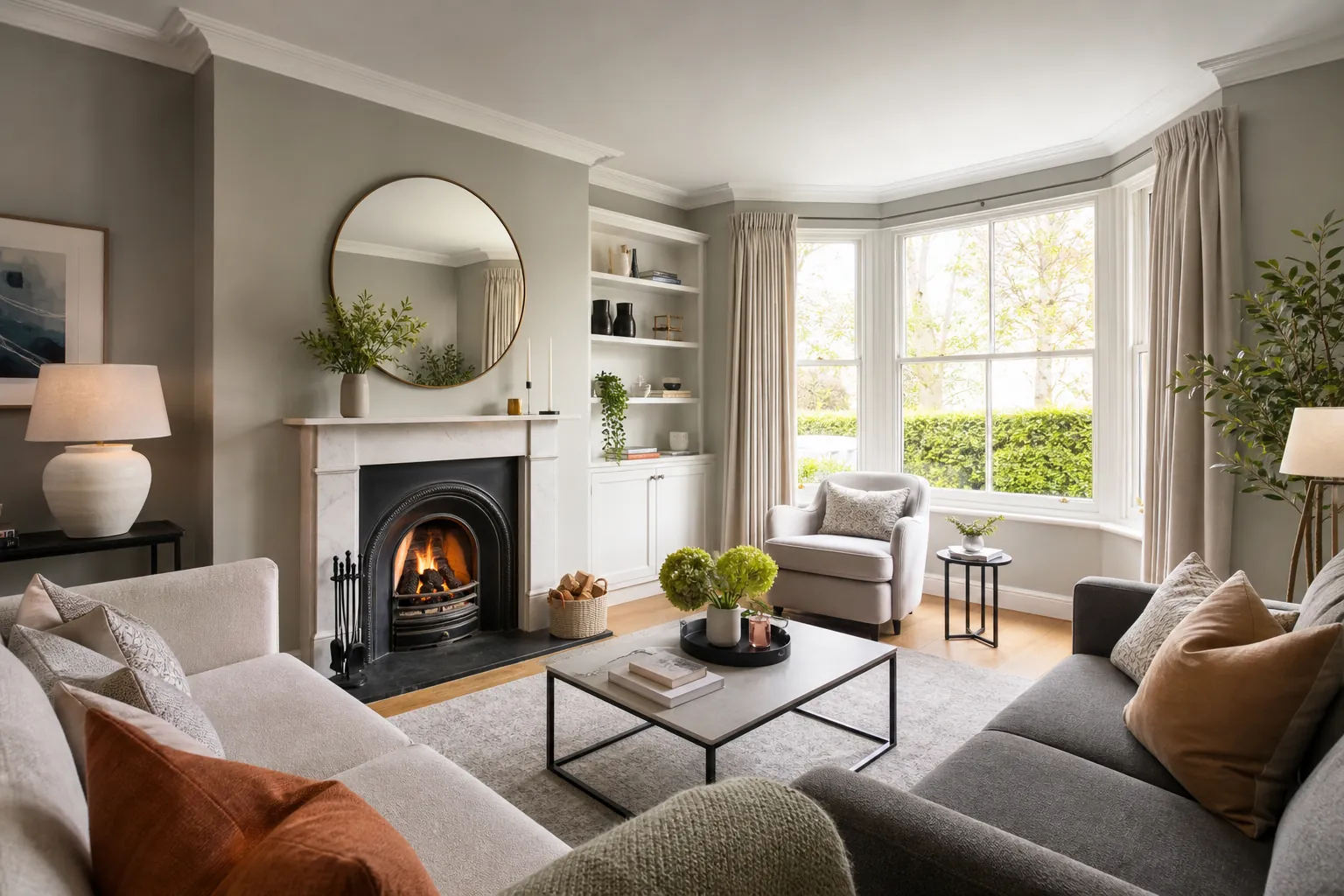
Virtual staging is a way to show how an empty, awkward or dated room could be used without moving in real furniture. A considered digital edit can add the visual cues buyers need to understand scale, flow and purpose, particularly when a bare room is giving them very little to work with.
It is not a substitute for an honest listing. The real room still needs to be clear, and the staged version needs to help people picture a possibility, not make them believe they are buying something that is not there. Used with restraint, it can turn a confusing image into a more useful starting point for a viewing.
What virtual staging is
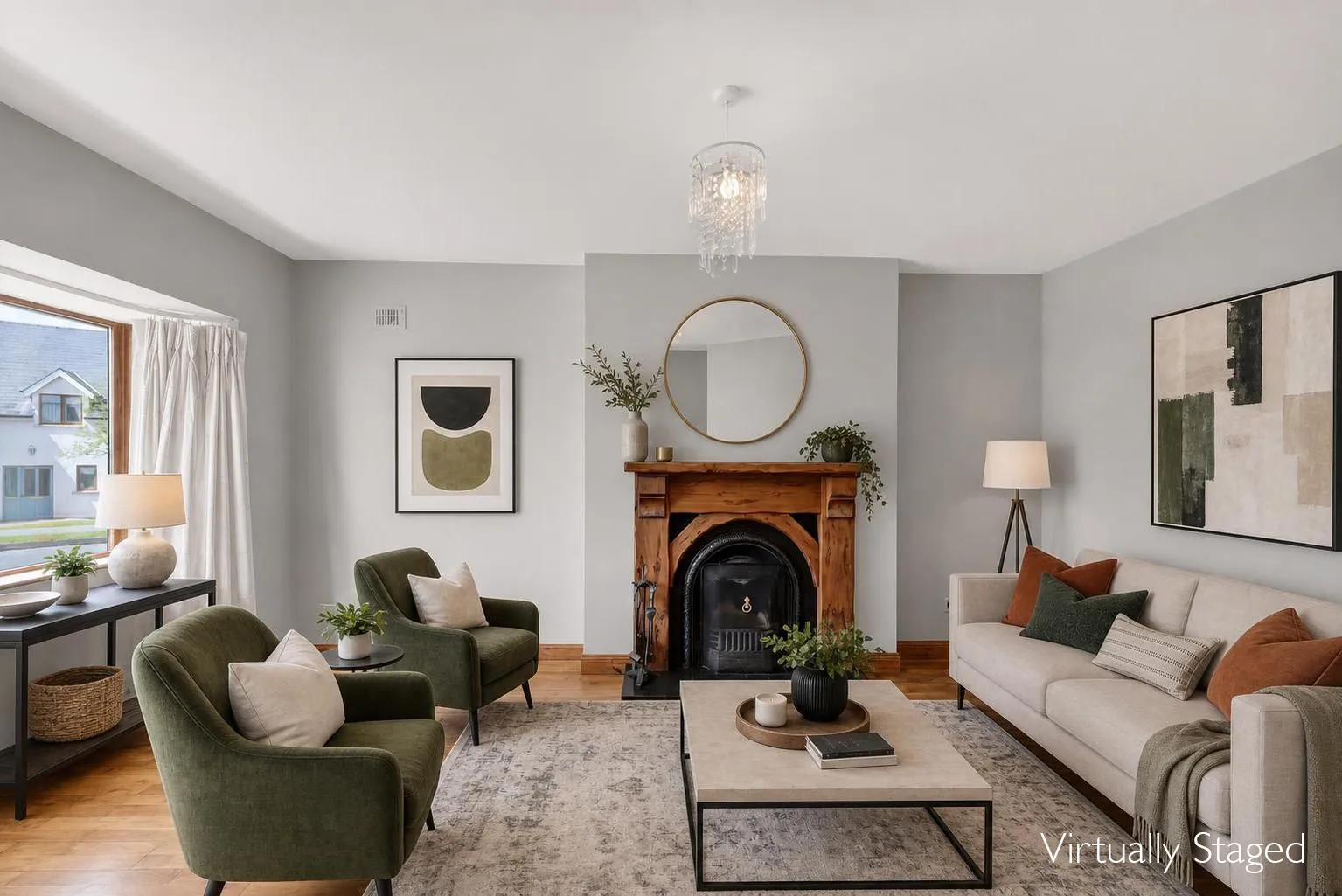
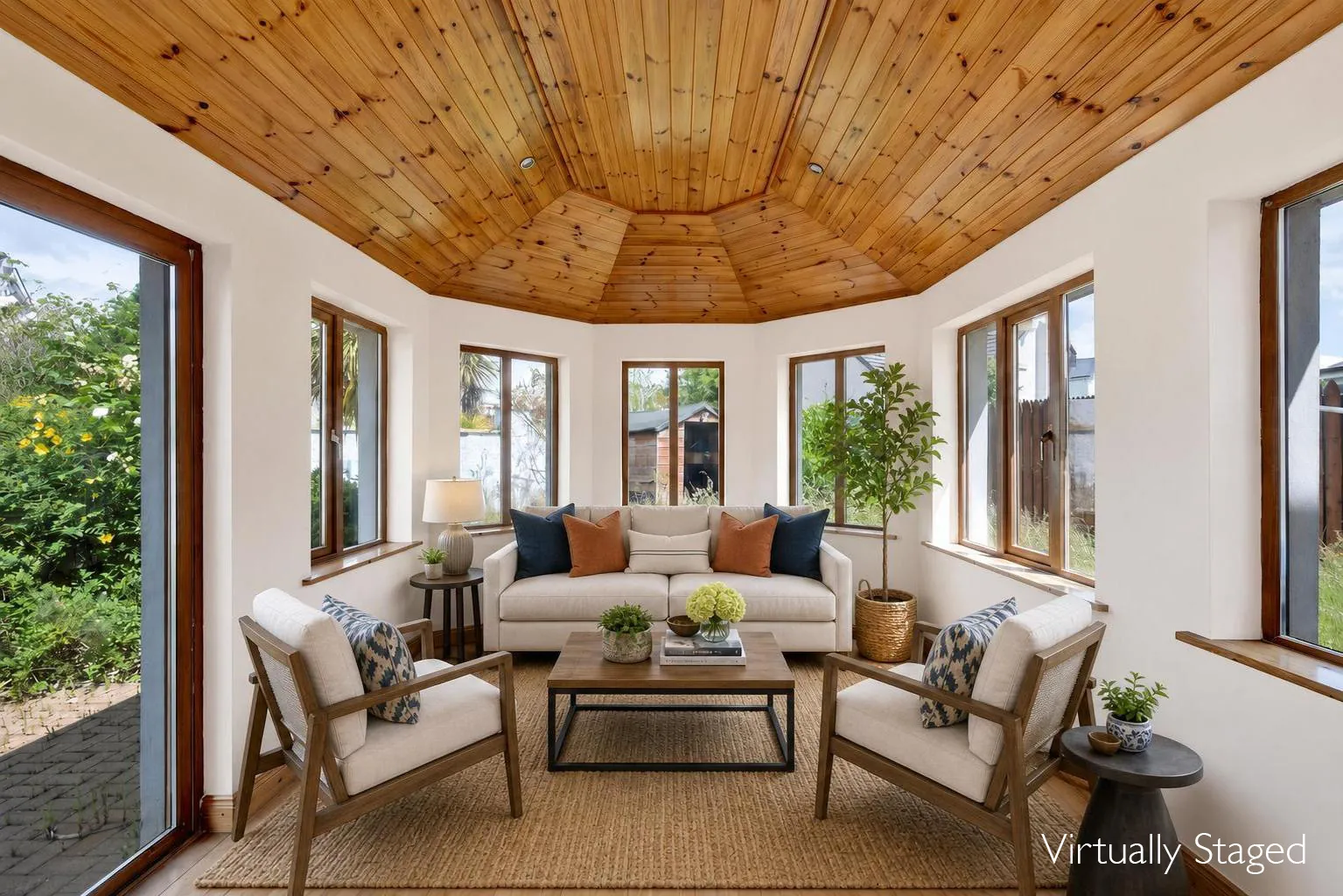
Virtual staging begins with a photograph of the actual room. Furniture, lighting, artwork, rugs and other finishing touches are then added digitally to show a believable use for the space. The walls, windows, floor area and natural features of the room remain the same. What changes is the viewer's ability to imagine how it might feel to live there.
That distinction matters. A buyer can usually understand a bright, furnished sitting room quickly because the furniture gives the room scale and purpose. An empty room can be harder to read. Without a sofa, table or bed for reference, people may struggle to judge whether it is a generous living area, a compact bedroom or an awkward spare room.
Virtual staging gives the image enough context to answer those first questions. It is especially useful when a property is vacant, between tenants, newly renovated or being sold before the owner's furniture has arrived. It can also help with a room that has lost its purpose, such as a dining room used for storage or a spare room that has become a catch-all.
When virtual staging helps a listing
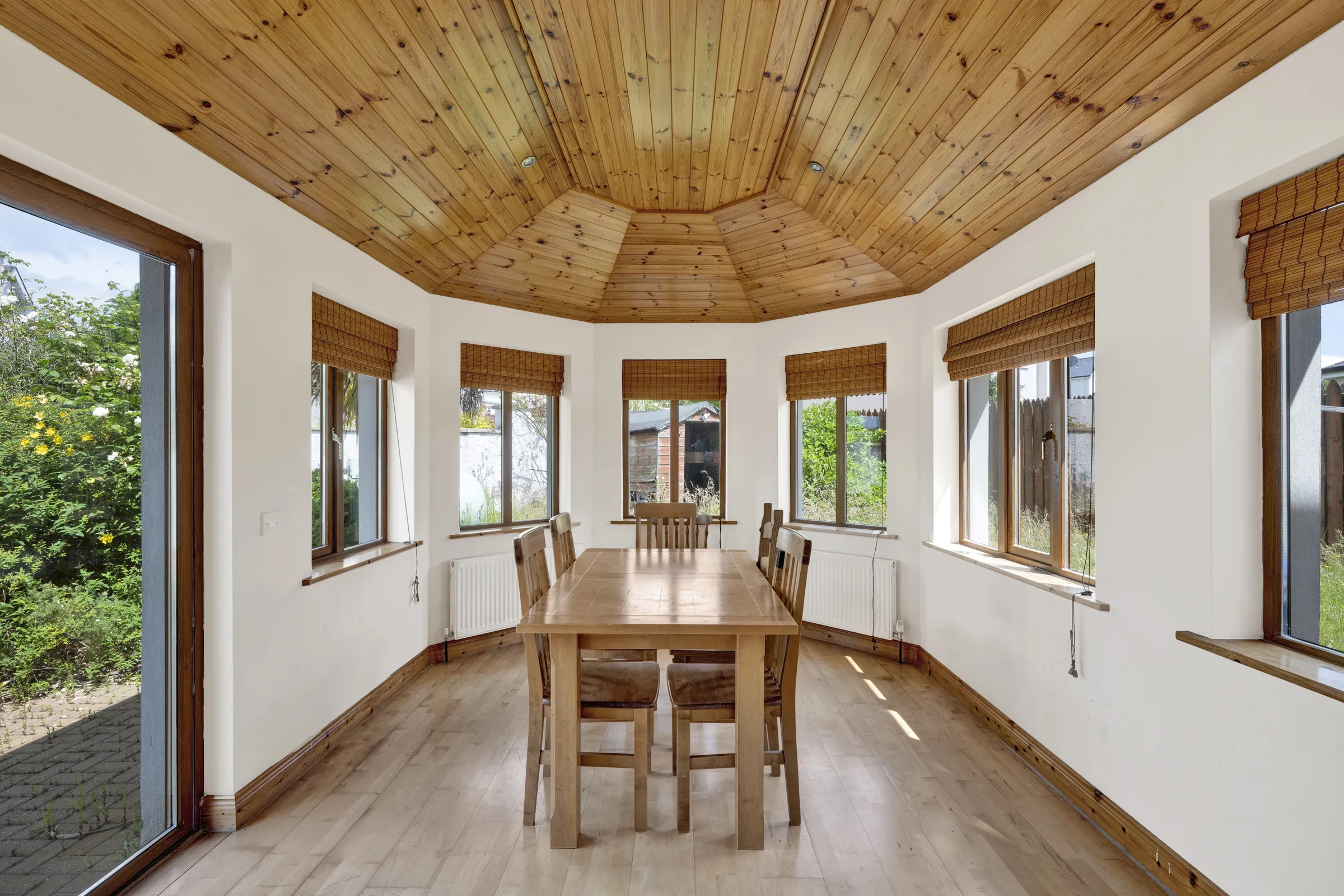
The strongest use case is simple: the room is real, but the photograph does not make its value obvious. A vacant sitting room can appear cold or smaller than it is. A large bedroom with no furniture can feel like a corridor. A sunroom with one leftover table may not communicate whether it is a place to read, work, eat or relax.
In those situations, staging can give a buyer a useful visual reference. A sofa and chair establish a seating area. A dining table shows how people might gather. A bed and bedside tables make the proportions of a bedroom easier to judge. The aim is not to pack the image with decoration. It is to answer the practical question a buyer is already asking: what would I do with this space?
It can also help a listing speak to more than one likely buyer. A smaller room may work well as a nursery, home office or guest room, but trying to show every version at once creates noise. Choose the most likely use for the property and make it clear. The original photograph can still sit alongside the staged image, giving viewers the context to make their own decision.
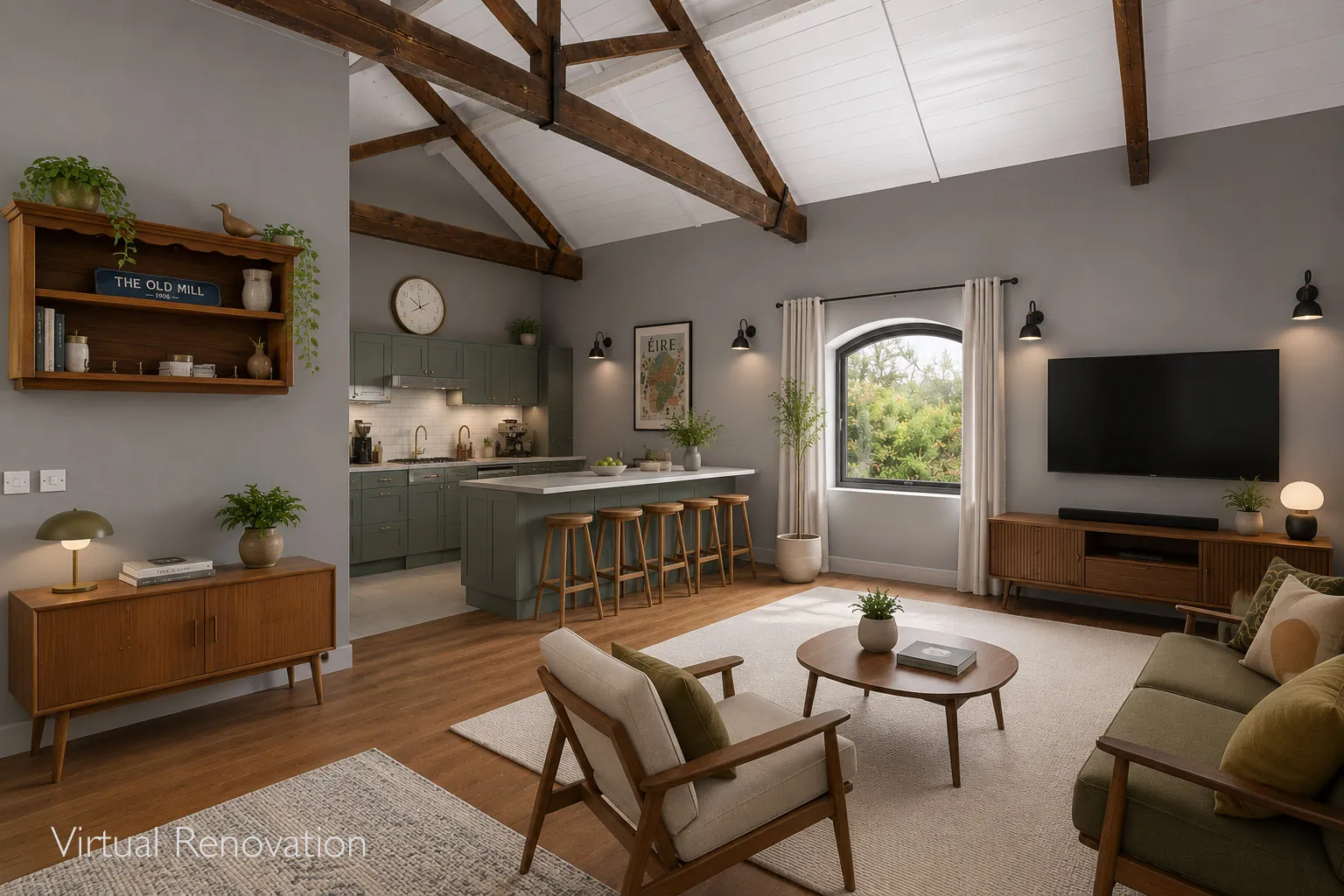
For a home with renovation potential, a digital renovation concept can be useful too. It can help viewers look beyond dated finishes and see how a kitchen, bathroom or living area could feel after a thoughtful update. This needs more care than furnishing an empty room because it can quickly become misleading. The concept should be clearly presented as an idea, not as a promise that the work has been done.
Timing can make the choice easier. If the home is being photographed while it is still lived in, a careful tidy and a clear furniture plan may be enough. If the owners have already moved out, the rooms may lose the visual references that made them feel inviting. Staging can then give the campaign continuity without delaying the launch while furniture is hired, moved or removed again. It is a practical option when the listing needs to be ready, but it should still be chosen room by room rather than applied automatically.
When professional photography is the better answer
Not every room needs virtual staging. If a property is occupied and the rooms already have a clear purpose, good preparation and professional photography usually do more for the listing. Clearing surfaces, opening blinds, simplifying furniture and giving the photographer room to find the strongest angles can produce an image that feels both polished and real.
A staged image cannot improve poor light, conceal an unhelpful layout or create a view that is not there. It should never be used to avoid dealing with obvious clutter, maintenance issues or a room that needs a more honest explanation. In fact, adding digital furniture to a weak photograph often creates a more distracting image, because the buyer still cannot understand the space around it.
Start with the property itself. Is the room bright enough? Is there a clear route through it? Can the camera show the windows, flooring and relationship to the next room? If the answer is yes, professional photography may be all that is needed. If the answer is no because the room is completely bare or its use is unclear, staging may earn its place.
This is why the decision works best as part of the wider visual plan. The listing needs strong real photography first. Staging is an additional tool for the few images where it gives a serious buyer more confidence about what they are looking at.
Keep the staged version honest
The best virtual staging looks calm and plausible. It matches the size and style of the room, leaves the windows and circulation clear, and avoids the temptation to turn every space into a showroom. One well-chosen layout is more persuasive than a room filled with expensive-looking furniture that makes no sense for the property.
Honesty is not only good judgement, it protects the campaign. The Advertising Standards Authority of Ireland's advertising code is built around marketing that is legal, decent, honest and truthful. A staged property image should follow the same principle. A buyer should never arrive at a viewing to find that a shown feature, finish or room size was only an illusion.
That means keeping the room's structure intact. Do not move windows, erase radiators, widen doorways, alter the ceiling height or hide visible defects. Do not add a sea view, a fireplace, built-in storage or a garden feature that does not exist. Furniture and simple decorative details can help explain a room. Invented architecture changes the promise of the listing.
Label staged images clearly, particularly when the furniture is not included in the sale or a renovation concept shows finishes that are not yet in place. When a viewer can compare the original and the staged version, the image becomes more useful rather than less trustworthy.
Choose the rooms that need help most
Virtual staging is most effective when it is selective. A whole listing does not need to be digitally furnished. In many cases, one or two well-chosen rooms are enough to make the property easier to understand. The main living space, a primary bedroom, an empty dining room or a flexible spare room are common places to start.
Look for rooms where the buyer has to do too much imagining. A bare open-plan area may leave them unsure where the dining table belongs. A long narrow room may look more useful once a sensible seating layout shows the width. A larger landing or loft room may need a simple office setup to stop it looking like unused floor area.
Be cautious with practical rooms. Kitchens, bathrooms, hallways and utility spaces are often better shown as they are, because buyers want to inspect the fittings, storage and finishes closely. A staged treatment should not get in the way of that. The same goes for views, gardens and exterior photographs. A real, well-composed photograph carries more weight than a digitally enhanced impression.
Once the priority rooms are clear, decide how they will sit in the listing. A staged version can be placed after the real photograph, or both can be presented together where the portal or campaign format allows it. The important thing is that viewers can understand what is real, what is proposed and why the image is there.
Think about the first image as well. In most cases, the lead image should show a true strength of the property, such as the exterior, main living room, kitchen, view or setting. A staged room may earn attention later in the gallery, once the buyer already understands the property. That order keeps the campaign grounded in the real home while still giving a difficult room the support it needs.
Use virtual renovation concepts carefully
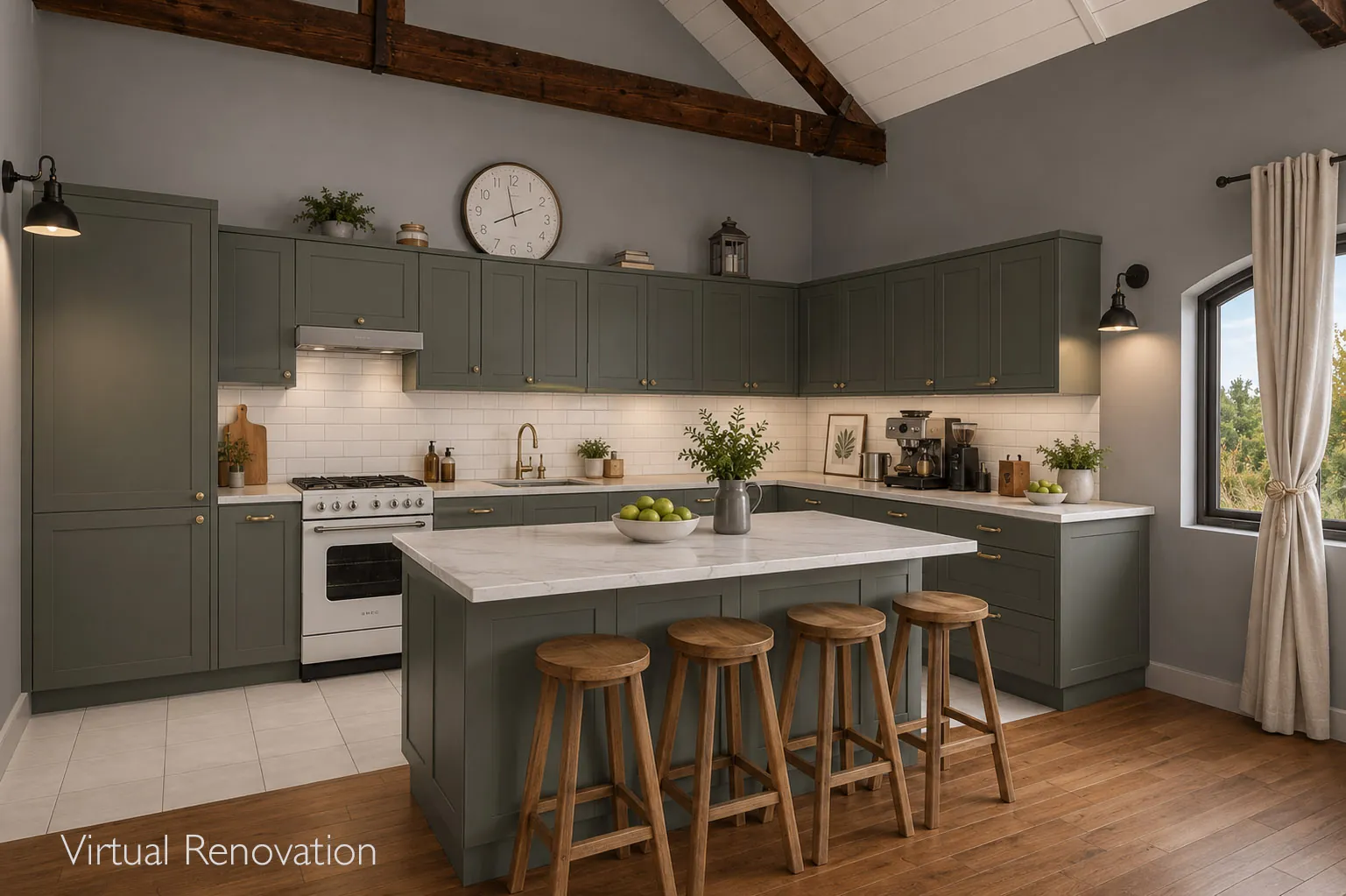
Virtual renovation goes further than staging. Instead of adding furniture, it shows how a room might look with different finishes, cabinetry, colours or fittings. It can be valuable for a property with clear potential, particularly where an older kitchen or bathroom is causing buyers to stop at what is there today.
For the right listing, the concept can shift the conversation from "this needs work" to "this could become a strong part of the home". It helps a buyer assess whether the size, light and layout are worth their attention before they dismiss the room for cosmetic reasons.
But a renovation concept is not a quotation, a design specification or a guarantee. Costs, planning requirements, structural work and the availability of materials all need proper advice from the appropriate professionals. The image should simply help a buyer see a credible direction for the existing room, not suggest that an upgrade will be simple or included.
Keep the proposed changes proportionate. A light, practical refresh is often more believable than a dramatic reinvention that does not suit the property. Good virtual renovation starts with the real architecture and gives it a clearer future, rather than replacing the character that made the home interesting in the first place.
A quick decision check
Before adding a staged image
- Make sure the original room has already been photographed clearly.
- Choose a room whose scale or purpose is difficult to understand.
- Use furniture that fits the room without hiding its real layout.
- Keep windows, walls, doors, fittings and visible condition honest.
- Label the staged or renovated version clearly.
- Use the image to help the buyer, not to make the property seem like a different home.
How Avera Design International Helps Sellers Show Potential Clearly
Avera Design International combines property photography with thoughtful virtual staging and renovation concepts when a listing needs more help explaining an empty room, a flexible layout or an opportunity for improvement. The first step is always the same: make the real property clear, then add only the visual support that helps a buyer understand it better.
You can see Avera Design International's virtual staging before-and-after work to compare real rooms with their proposed layouts. For a broader plan, the property presentation checklist covers the preparation that gives every image more to work with. When the next listing needs a tailored visual brief, request a shoot.
Frequently asked questions
Is virtual staging worth it when selling a home?
Virtual staging can be worth it when an empty, awkward or dated room is making it difficult for buyers to understand the space. It is most useful when the furnished version makes the room's scale or likely purpose clearer, while the original room remains easy to see.
Should virtual staging images be labelled?
Yes. A staged image should be clearly identified, particularly where it shows furniture or a renovated finish that is not part of the current property. Clear labelling protects trust and helps a buyer understand what they will see at a viewing.
Can virtual staging hide problems with a property?
It should not. Virtual staging can add furniture or suggest a decorative direction, but it should not conceal defects, change the room's proportions or create features that do not exist. Buyers need an honest view of the property as it stands.
Does virtual staging work for occupied homes?
Sometimes, but it is usually strongest for vacant rooms or spaces where the existing furniture is preventing a clear view of the layout. An occupied home with good light, clear surfaces and a sensible layout often benefits more from professional photography than from a digital makeover.