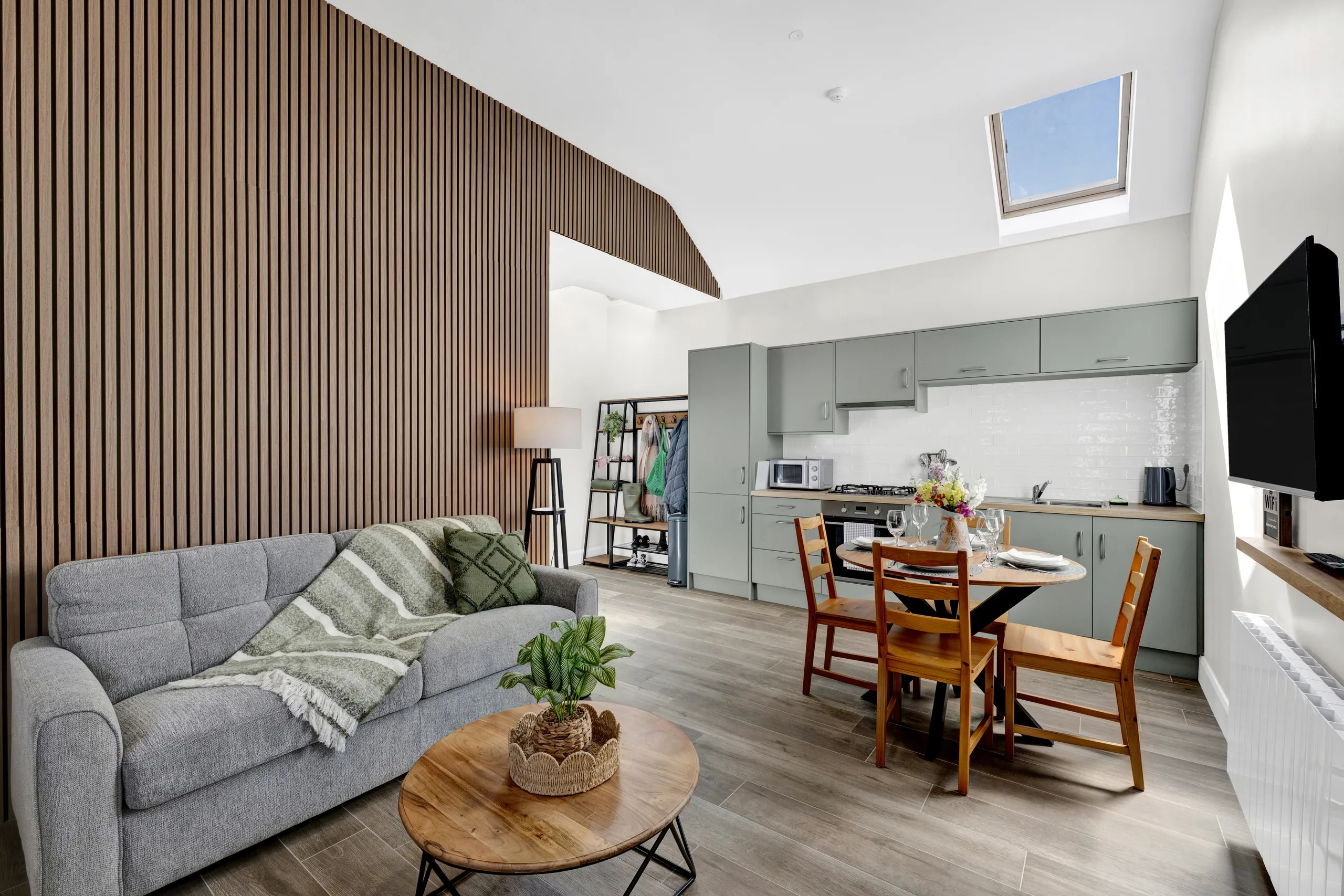
When people ask how long it takes to sell a house in Ireland, they are usually asking two different questions. How long will it take to find a committed buyer, and how long will it take to complete the sale once a price is agreed? The honest answer is that no two properties follow exactly the same timetable.
Location, price, condition, buyer demand and the legal process all matter. A seller cannot control every part of that process, but they can make the property easier to understand, easier to trust and ready to launch without avoidable delays. That preparation gives the sale its best possible start.
There are two timelines, not one
The first stage runs from deciding to sell to reaching sale agreed. This is where the property meets the market. Your estate agent will advise on value, likely buyer interest and the right timing for your area. The listing then needs to give a serious buyer enough confidence to enquire, view and consider an offer.
The second stage runs from sale agreed to closing. That part is shaped by solicitors, finance, surveys, title documents, queries and the circumstances of everyone in the chain. It is sensible to discuss the likely steps with a solicitor early, particularly where a property has an unusual boundary, planning history, tenancy, shared access or work that needs to be explained.
Keeping those stages separate helps set realistic expectations. A strong launch can create early interest, but it cannot promise a closing date. Equally, a straightforward legal process cannot compensate for a listing that leaves buyers unsure about the rooms, setting or value. The best approach is to prepare both sides of the sale early.
A clearer starting point
Prepare the parts you can control
- Speak with your estate agent about likely buyers, price guidance and launch timing.
- Ask your solicitor what documents or property details should be gathered early.
- Deal with small repairs and practical distractions before photography.
- Make the strongest rooms, entrance and outdoor areas easy to understand.
- Arrange photography close enough to launch that the listing matches the home buyers visit.
- Keep the property ready for the first viewings once the campaign begins.
Start before the property is advertised
Good timing starts before a buyer ever sees the home. Meet with your estate agent to discuss the type of person most likely to value the property, the features that need to lead the listing and the information buyers will expect. A family home, apartment, coastal property, rural house and investment property can all need a different emphasis.
Use that conversation to decide what needs attention. It may be a small repair, a clearer room layout, a garden tidy-up, a document to locate or a question about access. The goal is not to overwork the house. It is to remove the easy doubts that can make a buyer hesitate or make the launch feel rushed.
Energy information is one practical item to confirm early. The Sustainable Energy Authority of Ireland explains the BER advertising requirements for homes offered for sale or rent. Your estate agent can help make sure the listing is presented correctly, and the PSRA register of licensed property services providers is available for checking an agent or auctioneer.
Price and presentation work together
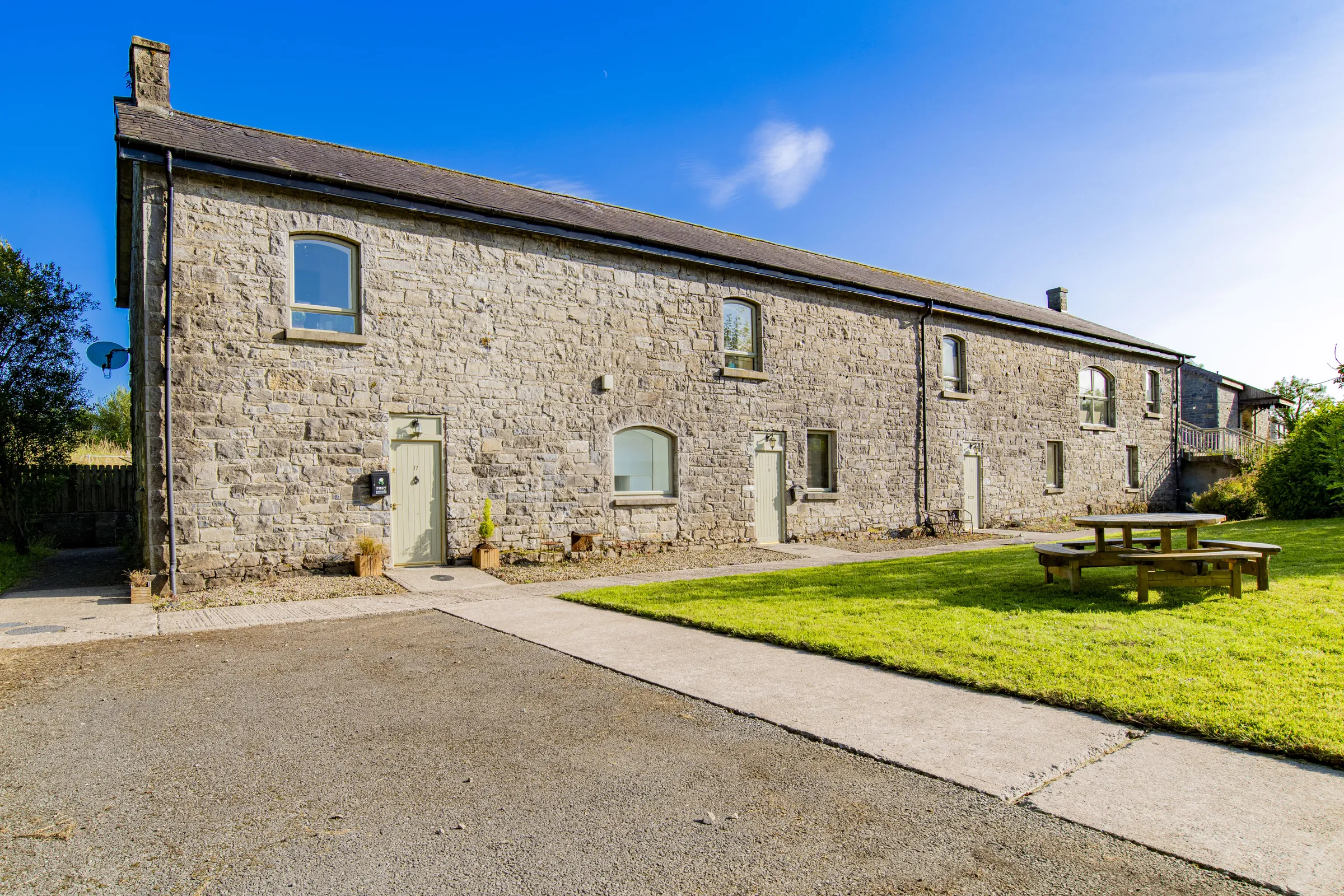
Price is one of the clearest influences on early interest, but it is not the only one. A buyer sees the asking price alongside other listings, then decides in seconds whether this property is worth opening. Clear, accurate presentation gives them more reasons to take that next step.
That starts with the lead photograph and continues through the whole sequence. Buyers should be able to understand the arrival, main living spaces, kitchen, bedrooms, outdoor areas and any feature that affects daily life. Repeating similar images or hiding the useful parts of the property can create uncertainty rather than interest.
A considered property photography service makes the important spaces easy to read without stretching the truth. For a room-by-room preparation plan, use Avera's home staging tips. The effort is not about creating a show home. It is about helping buyers see the real value of the home without clutter, poor light or an unclear layout getting in the way.
Make the first week count
The earliest days of a listing are important because they are when the property is new to buyers who are actively watching the market. That does not mean every sale needs an elaborate campaign. It means the basics should be ready before the listing appears: photographs, accurate details, a clear order to the images and a practical plan for enquiries and viewings.
Think about the questions a buyer will ask before a viewing. How does the house sit on the site? Which rooms connect? What is the garden or parking like? Is there a view, outbuilding, flexible room or other feature that changes how the property works? Give the estate agent the information they need, then make the most useful details visible in the campaign.
For a distinctive home, a dedicated property website can give buyers more room to explore the photography, film, tour and practical details in one place. For a standard listing, a focused set of images may be enough. The right approach is the one that gives a serious buyer confidence without adding material that does not clarify anything.
Ask the right questions before the marketing day
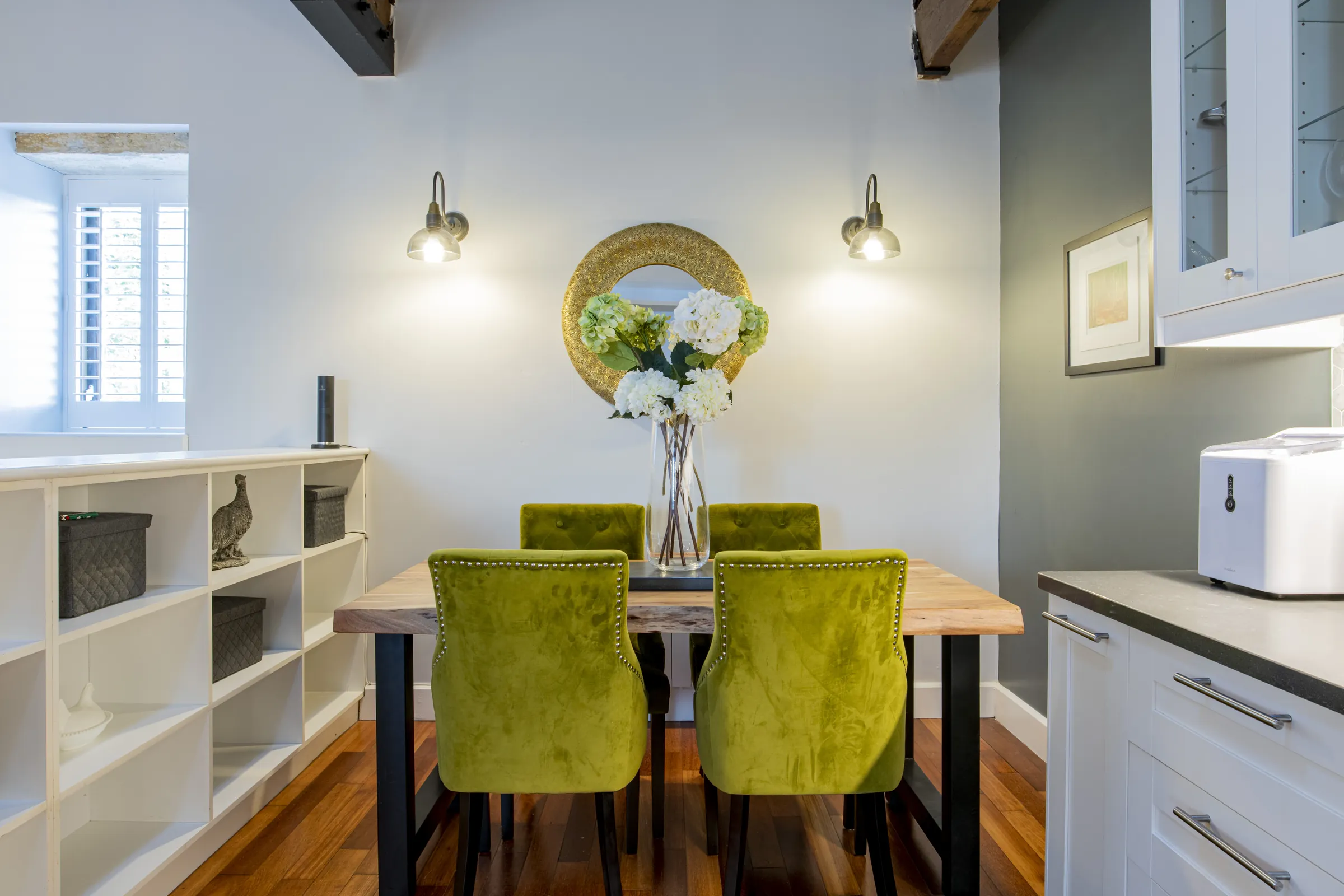
A short conversation before photography can save time later. Ask the estate agent which features are most likely to matter to the people viewing similar homes. It may be the garden, a school route, a flexible spare room, parking, a view, a particular finish or simply the sense of space in the main living areas. That gives the photography a useful brief without turning it into a rigid shot list.
It is also worth agreeing the practical order of events. Confirm when the property should be ready, when the images are needed, who will check the details and when viewings can begin. If the home is occupied, decide how much notice is realistic and where everyday clutter can go quickly. A plan that works for real family or work life is more likely to hold up through the first week than an ideal schedule that nobody can keep.
Bring up anything that needs context rather than hoping it will not be noticed. A shared drive, private water supply, unusual room layout, ongoing work or access detail may need a clear explanation from the estate agent. The aim is not to put every detail in the first paragraph of the listing. It is to make sure the right answer is ready when a serious buyer asks.
This is where a joined-up media plan earns its place. The photographs can introduce the home, a cinematic property film can show arrival and atmosphere, and a 3D tour can give more time to understand the layout. Use each piece only where it resolves a real uncertainty. Clear information lets a buyer move forward sooner because they are not trying to guess what the listing means.
Reduce the reasons a buyer might wait
Buyers do not always say why they move on. Sometimes the reason is simply that another property was easier to understand. A crowded room can look small. A dark image can hide a good view. An empty room with no obvious use can feel like a problem. A listing with too little context can leave buyers waiting for the next option rather than booking a viewing.
Walk through the house as someone seeing it for the first time. Clear the entrance, kitchen worktops, main living areas, bathrooms and best outdoor space. Replace failed bulbs, deal with small maintenance issues and remove the things that pull attention away from the room. Keep storage useful but not overloaded, so buyers can judge the capacity rather than the contents.
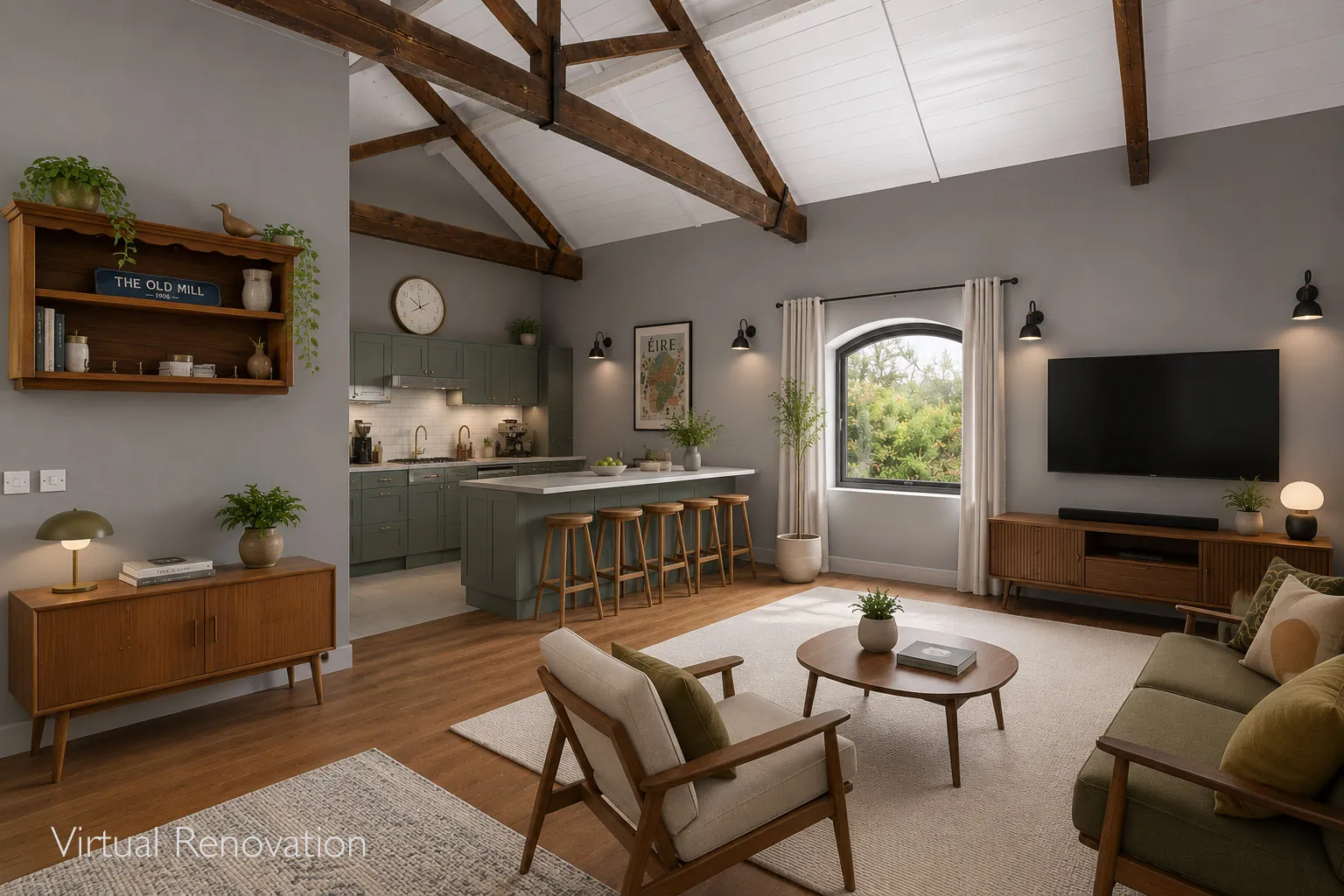
Where a vacant or awkward room is hard to read, honest virtual staging can show a credible furniture layout while keeping the real room clear. Where the floor plan is a key consideration, a Matterport 3D tour can let an interested buyer take a more considered look. These tools work best when they answer a genuine question, not when they are used simply because they are available.
Keep the home ready for viewings
Once enquiries begin, the sale moves from the listing to the experience of walking through the property. A buyer who arrives after seeing polished images expects the same house. Keeping the home reasonably ready protects the confidence the marketing has earned.
A simple reset routine is usually enough: clear surfaces, open curtains, air the rooms, straighten the entrance, check the bathroom and put away laundry, pet items or everyday clutter. Keep a box, cupboard or car boot free for the last-minute items that tend to collect before a viewing. It is easier than rebuilding the whole presentation each time the phone rings.
Try to make practical details easy too. Paths should be clear, gates should open, exterior lighting should work and the estate agent should know about access, parking or any feature a viewer is likely to ask about. These are small things, but they keep a serious buyer focused on the property rather than an avoidable inconvenience.
Once you reach sale agreed, keep communication simple
Reaching sale agreed is an important milestone, but it is not the same as closing. From there, the legal and financial work needs room to happen. Your solicitor should guide the conveyancing process, while the estate agent can keep the communication between the parties practical and clear. Ask early what information or documents may be needed from you, then respond promptly when a genuine query arrives.
It helps to avoid turning every update into a prediction. A buyer may need to complete finance checks, arrange a survey or resolve something in their own sale. Those are normal parts of many transactions. What a seller can do is keep their own information organised, be clear about availability and make decisions promptly when advice is needed.
Keep looking after the home during this period too. The property should remain secure, reasonably maintained and broadly consistent with what was shown and agreed. If something material changes, take advice from the professionals handling the sale. A calm, well-managed handover helps protect the confidence built during the marketing stage.
The practical lesson is straightforward. A property campaign cannot control every date in a sale, but it can make the first stages more confident and prevent avoidable confusion. Prepare early, present the home clearly and let the right professionals guide the parts that sit outside marketing.
Expect some parts to be outside your control
Even a well-presented property can take time to find the right buyer. Market conditions change, buyers may need mortgage approval, surveys can raise questions and a connected purchase can shift the timetable. The most useful response is to stay prepared, keep communication clear and take advice from the professionals handling the sale.
Do not rush into expensive changes just because the house is not under offer immediately. First ask the estate agent what viewers are responding to, what questions are coming up and whether the listing is reaching the likely buyer clearly. The answer may be a practical adjustment, a better explanation or simply time, rather than a costly redesign.
It is also important to keep the marketing honest. A buyer should arrive at a viewing feeling informed, not surprised. Accurate images, truthful descriptions and clear information create better enquiries and more productive viewings. That is a stronger foundation for a sale than trying to make the property look like something it is not.
How Avera Design International helps
Avera Design International helps sellers and estate agents prepare the visual side of a property launch. From photography, cinematic video and 3D tours to virtual staging and campaign media, the aim is to choose the material that makes the setting, layout and potential easiest for the right buyer to understand.
That gives a property a clearer opening, while leaving the estate agent and legal team to guide the price, negotiations and conveyancing. Request a shoot when you are ready to plan the next listing.
Frequently asked questions
How long does it usually take to sell a house in Ireland?
There is no single reliable number. The time to reach sale agreed depends on the location, price, condition, presentation, buyer demand and how accurately the listing answers questions. The closing period then depends on the legal, mortgage and survey process. Your estate agent and solicitor can advise on the likely timing for your particular sale.
What can delay the sale of a house?
A home can take longer to sell when buyers struggle to understand the price, condition, layout or setting from the listing, or when practical details are left until late in the process. Delays can also arise from buyer finance, surveys, conveyancing, title issues and a chain of connected sales. Some factors are outside a seller's control, but preparation reduces avoidable hold-ups.
Should I wait to market my house until everything is perfect?
No. Aim for clean, functional and easy to understand, not a last-minute renovation project. Deal with obvious repairs and visual distractions, then work with your estate agent on a launch date that gives the property a clear, honest presentation. Waiting for a cosmetic ideal can be less useful than a well-planned campaign that reaches buyers at the right time.
When should I arrange property photography?
Arrange photography after the important rooms and outside areas are prepared, and close enough to launch that the home will still look like the listing when buyers arrive. Agree the sale plan and strongest features with the estate agent first, then allow time to check the images and practical listing details before the property is advertised.