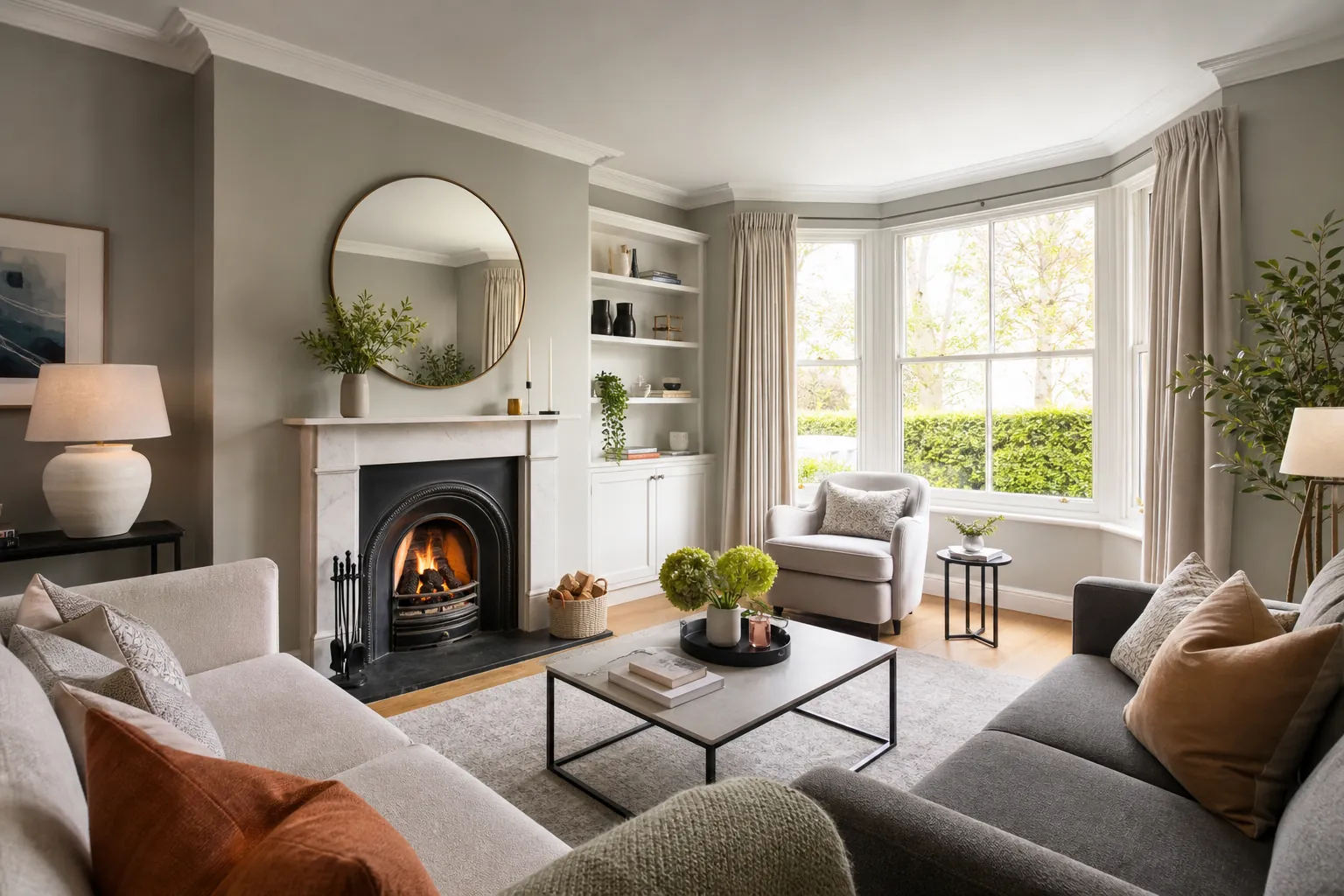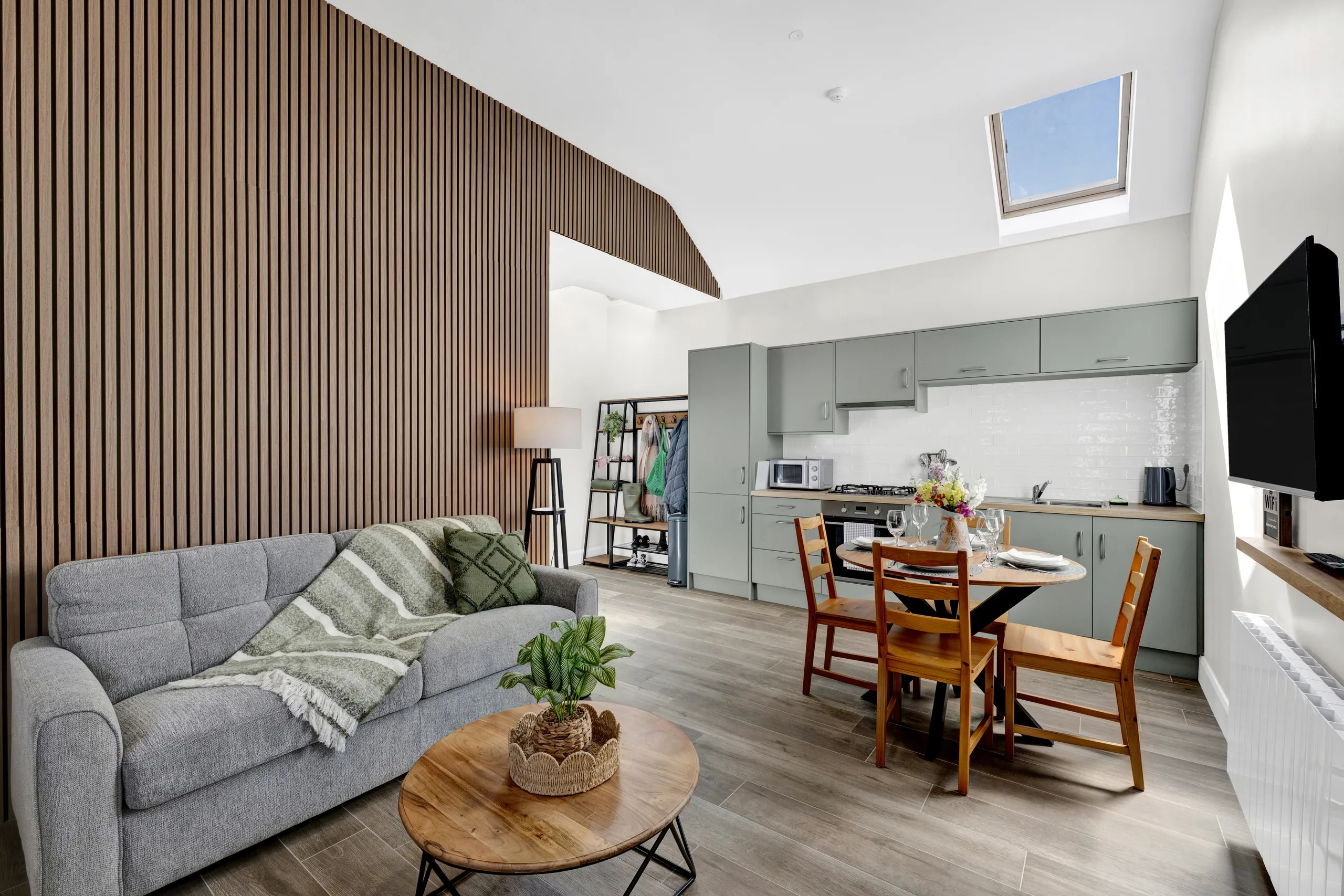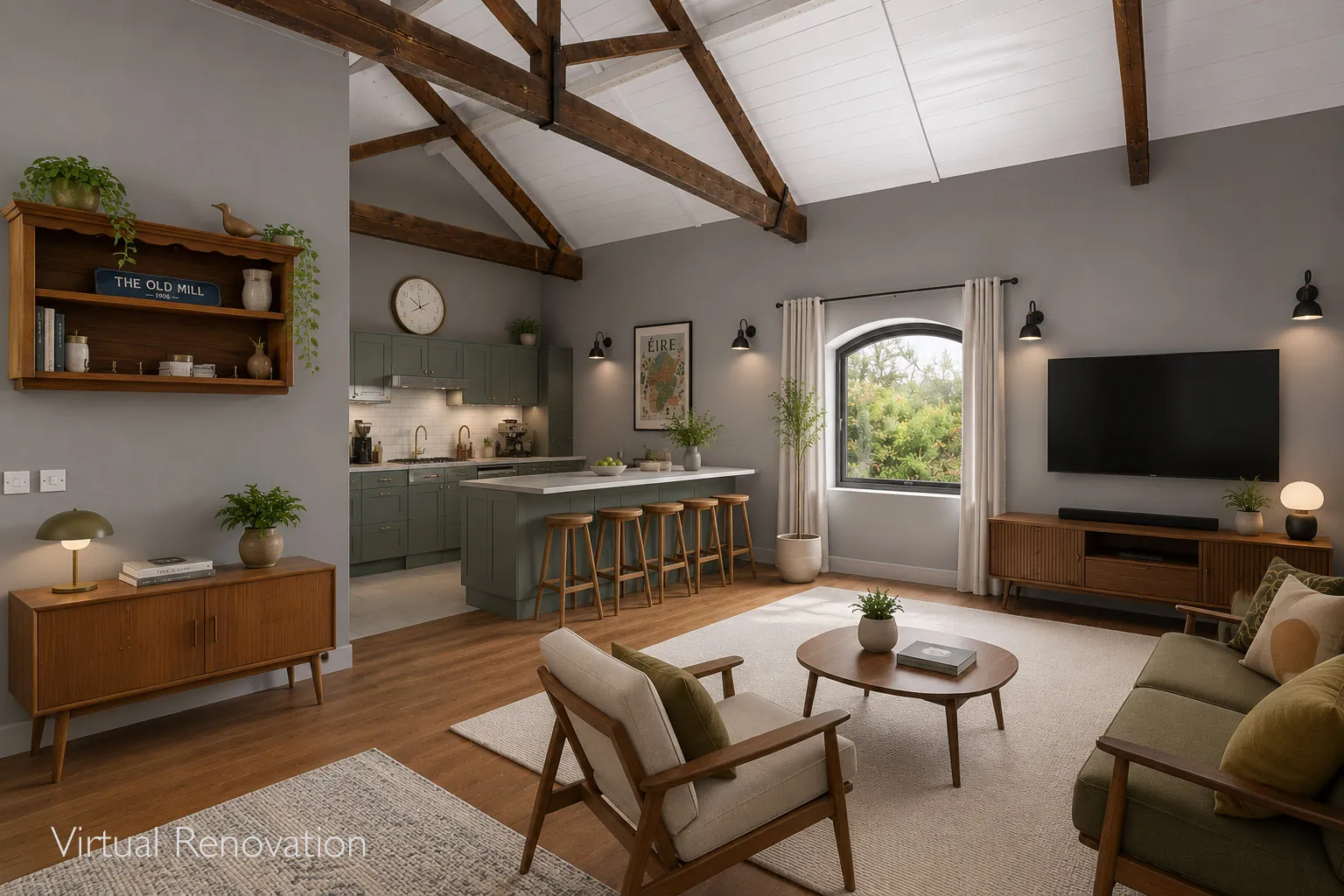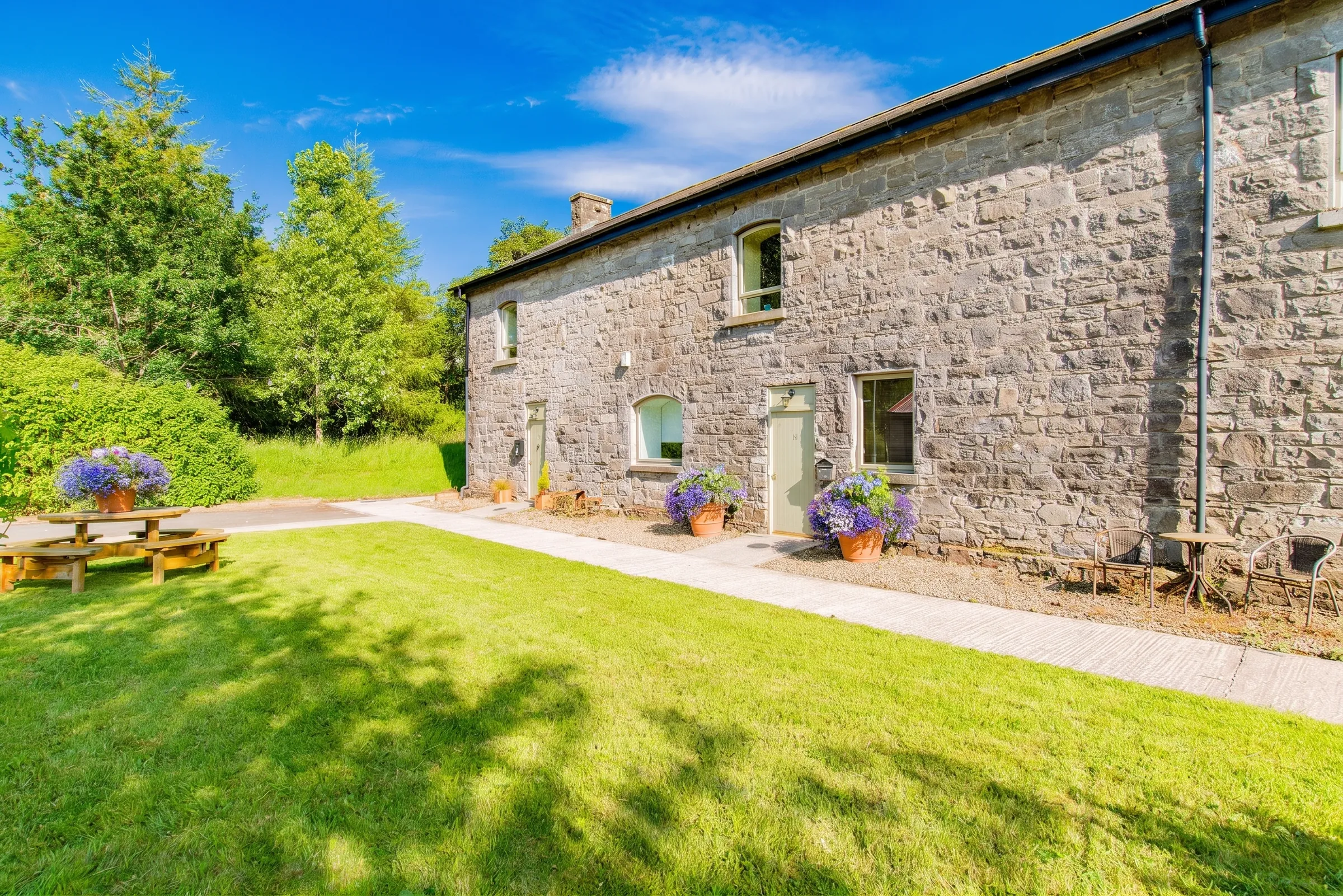
Home staging is the practical work of preparing a property so a buyer can understand it quickly and picture how it could be lived in. It can be as simple as editing the furniture you already own, or as involved as furnishing an empty home for a launch. In either case, the aim is the same: make the space easier to read without pretending it is something it is not.
For most sellers, good staging is not about buying a truckload of accessories. It is about reducing visual noise, showing the purpose of each important room and giving photography and viewings the best possible starting point. The property should still feel like a real home, just clearer and more considered.
A simple definition
Home staging is preparation for a buyer's point of view
It brings the strongest parts of a home forward: useful rooms, natural light, a comfortable flow, storage, garden space and the details that make the place memorable. It is not a substitute for repairs, accurate information or a realistic asking price. It helps the right buyer see the real property with fewer distractions in the way.
What home staging changes, and what it should not
A buyer usually forms an early opinion from a small number of signals. Can they tell where the front door leads? Does the living space feel workable? Is the kitchen easy to use? Do the bedrooms have a clear purpose? Can they understand the relationship between the house and the garden? Staging helps answer those questions before a viewer has to work through clutter or guess what a room is for.
That may mean removing an extra chair that blocks a route through the room, moving a heavy cabinet away from a window, putting everyday items out of sight or giving a spare room one clear use. The work should make the home feel more legible, not less personal in a cold or artificial way. Buyers need enough calm to imagine their own life there, but they also need an honest sense of the property.
Staging should never hide a material issue, change the apparent size of a room or imply that an included feature is part of the sale when it is not. A fresh towel and clear vanity help a bathroom photograph well. Covering a problem that a buyer will discover later does not. The most effective presentation creates confidence because the experience online, in photographs and at a viewing remains consistent.
Why staging matters before the first viewing
Most buyers first meet a property through a listing. They make quick comparisons between photos, price, layout and location before deciding whether to enquire. That does not mean every home needs a dramatic makeover. It means the rooms carrying the story of daily life should be easy to understand at a glance.
Research from the National Association of Realtors is based on the United States, not the Irish market, but it offers a useful directional lesson. In its 2025 Profile of Home Staging, buyers' agents most often identified the living room, primary bedroom and kitchen as the rooms where staging mattered most. That fits the practical question sellers should ask everywhere: which spaces will help a buyer understand how the home works for them?
When a property has been prepared with that question in mind, the visual work can focus on light, proportion, flow and setting rather than trying to work around avoidable distractions. A considered property photography service then helps the listing lead with the spaces and details most likely to earn a closer look.
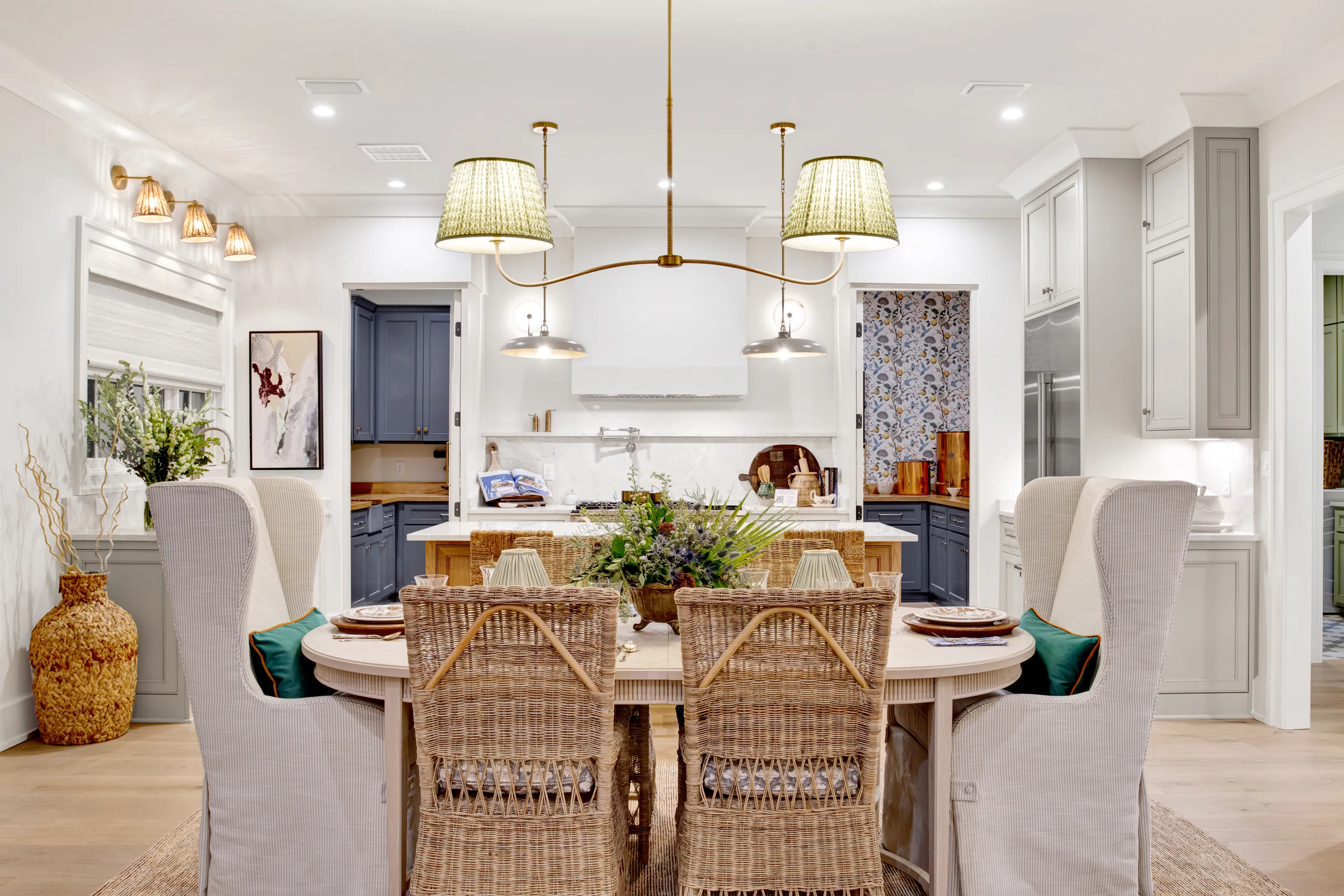
Start with the rooms that do the most work
Trying to stage every cupboard and corner usually creates stress without improving the listing. Start with the spaces buyers will compare most closely. The entrance sets the tone. The living room, kitchen and dining area show how daily life might flow. Bedrooms and bathrooms speak to comfort and care. The strongest outdoor space gives context to the property beyond its floor area.
Entrance and approach
Clear the route from the road, driveway or gate to the front door. Put away bins, tools, loose pots and anything that makes arrival feel less straightforward. Sweep paths, check exterior lights and make sure the door area feels cared for. This is not about making the entrance elaborate. It is about letting a viewer arrive without a visual obstacle course.
Living spaces
Choose one obvious conversation area or focal point. A fireplace, feature window, garden connection or view often deserves room to breathe. Remove the occasional table, oversized chair or stack of stored items if it breaks the route through the room. Keep enough furniture to show scale, but avoid making the viewer mentally move things before they can appreciate the space.
Kitchen and dining area
Clear worktops until the kitchen looks useful, not empty. Put away cleaning products, dish racks, pet bowls and bulky appliances that are not built in. Clean reflective surfaces and leave only a few purposeful items. A kitchen should feel ready for ordinary life, not like a showroom no one could use.
Use what you have before you buy anything
Many homes can be staged effectively with a careful edit rather than new furniture. Begin by taking out what is clearly excess: duplicated chairs, overly personal collections, laundry, piles of paperwork, spare storage and items that have no settled home. Then look at what remains. A room often becomes easier to read once there is a clear walking route and one simple purpose.
Textiles and small details can help when they support that purpose. Fresh bedding makes a bedroom feel looked after. Simple towels make a bathroom feel clean. One plant or a restrained table setting can add life to a kitchen or dining area. The test is whether the detail helps the viewer see the room, or simply gives them one more thing to look at.
Be particularly careful with major purchases before a sale. Expensive furniture, a full repaint or a large renovation may be sensible in some cases, but they should be decisions made with your estate agent and your budget in mind. A home does not need to look expensive to present well. It needs to look clean, functional, proportionate and truthful.
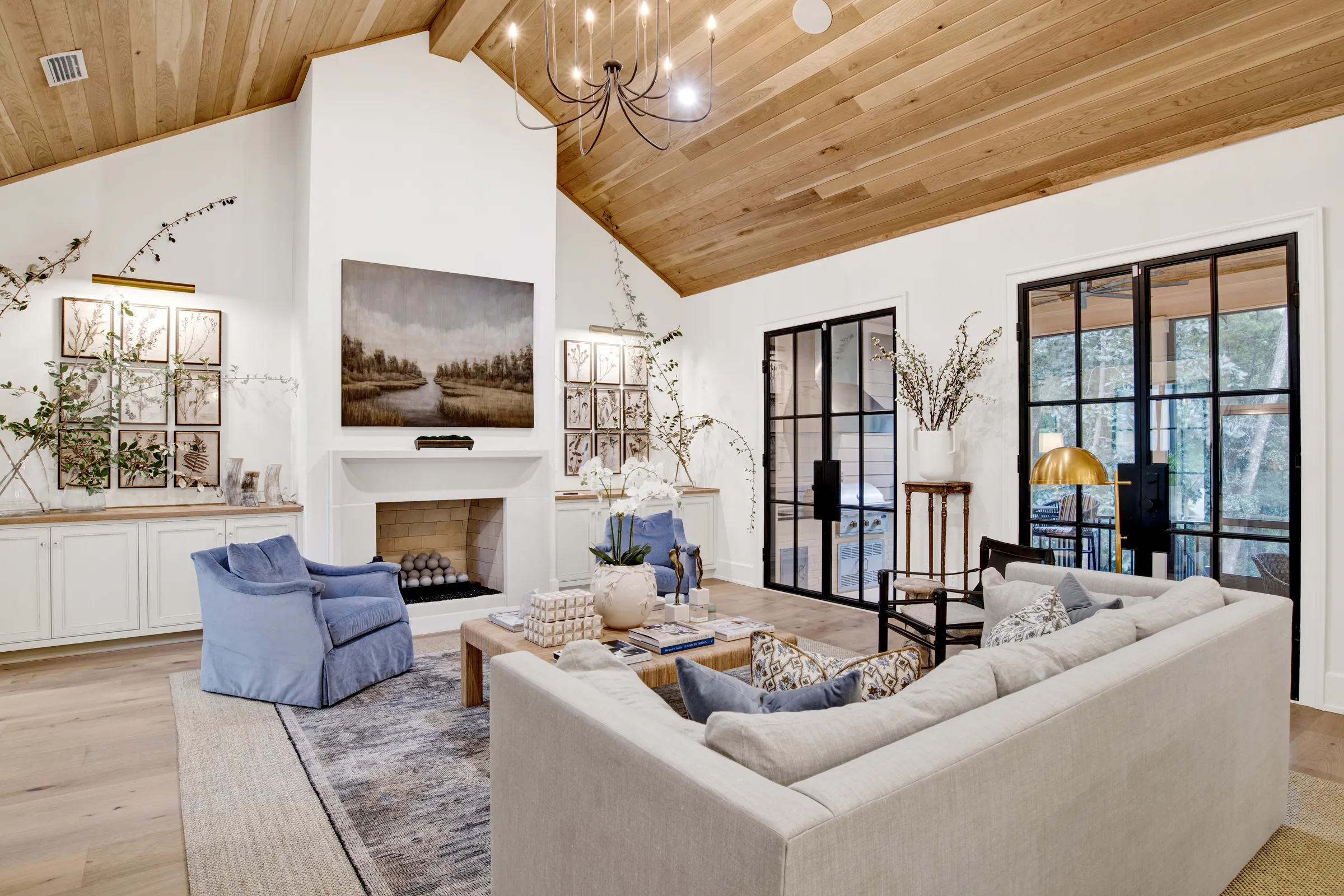
Occupied homes, empty homes and awkward rooms need different choices
An occupied home has the advantage of real scale and warmth, but it can be harder to keep calm while normal life continues. Set aside one box, cupboard or car boot for the things that gather on surfaces before a photograph or viewing. That gives you a workable reset routine for coats, chargers, pet items, children's things and everyday paperwork.
An empty home creates the opposite challenge. Buyers may struggle to judge the scale of a room or see whether it is best suited to dining, working, sleeping or relaxing. A professional staging consultation can be worthwhile where furniture would make the layout clearer, particularly in a larger property or a room with an unusual shape. It is not always necessary, but it can be useful when the absence of furnishings leaves a genuine question unanswered.
For a vacant room that needs help only in the listing, honest virtual staging can show a credible furniture layout without changing the real room. It works best when the windows, finishes, dimensions and structure remain accurate, and when the original room is still available for buyers to see. The purpose is explanation, not invention.
Stage for photographs and viewings together
Photography day is often the point when sellers make the biggest effort, but the preparation should last through the first viewings. A buyer who arrives after seeing composed images expects the home to feel broadly consistent. It does not need to remain frozen in photo-ready condition, but the strongest rooms should still be clean, open and easy to understand.
Build a reset that takes ten or fifteen minutes. Clear kitchen surfaces, open curtains, air the rooms, make the beds, check the bathroom, straighten the entrance and put away anything that was not there for the photographs. Use the same routine before each viewing so it becomes manageable rather than a last-minute scramble.
For a more detailed room-by-room plan, Avera's home staging tips for property photos cover the practical preparation that makes this reset easier. Once the rooms are ready, a cinematic property film or a 3D tour may add useful context where movement or layout needs more explanation. They are most effective when they answer a real buyer question rather than being added by default.
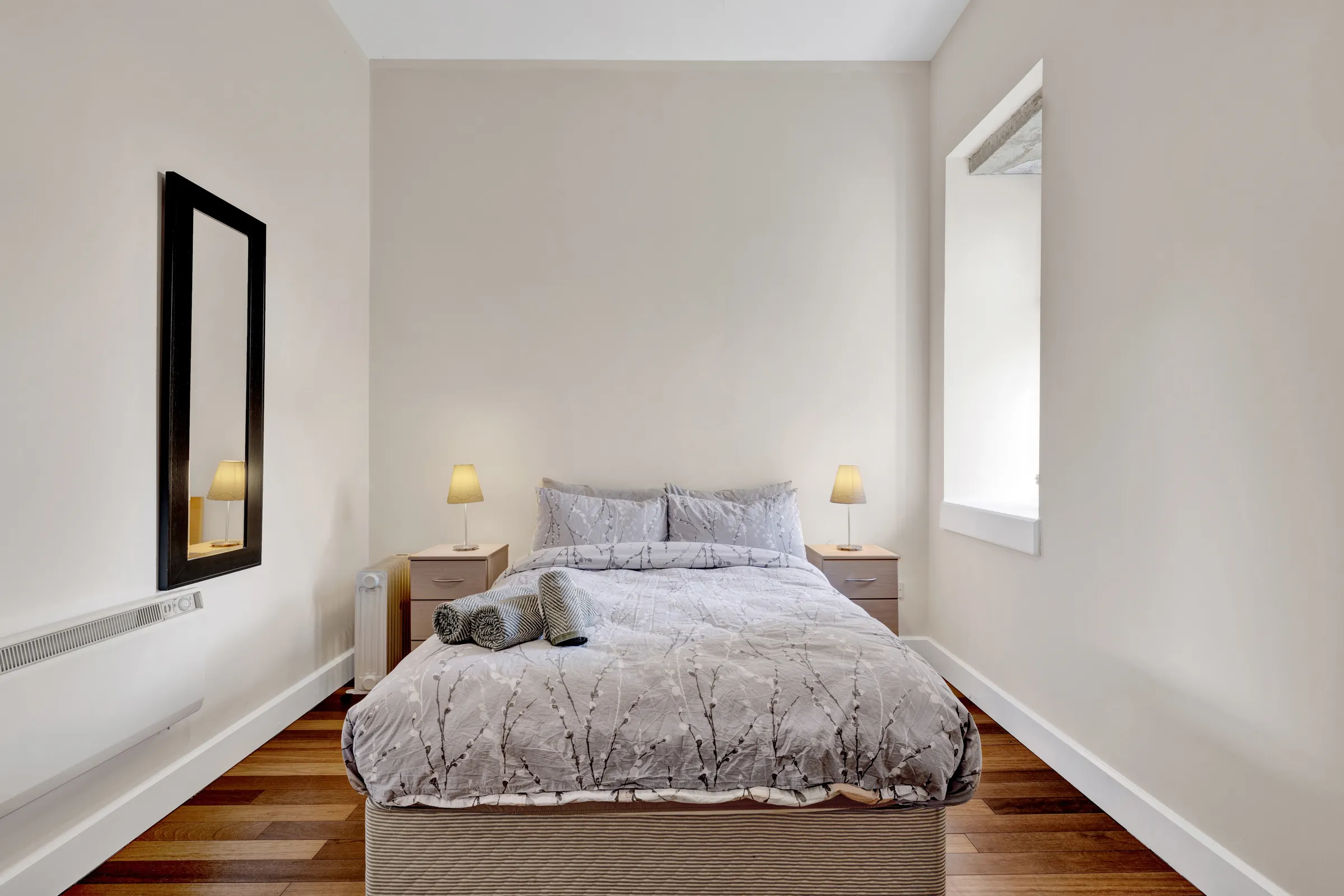
Keep the presentation honest and the practical details ready
Good staging makes a property easier to understand. It does not remove the need for accurate listing information, realistic photography and clear answers to reasonable buyer questions. Your estate agent can advise on the details that matter in the local market, while your solicitor can guide the legal side of the sale.
Energy information is one item worth checking early. The Sustainable Energy Authority of Ireland explains that homes offered for sale or rent need the relevant BER information in their advertising. Handling those basics before the launch protects the calm, considered impression you have worked to create.
That same standard applies to the images. Use styling to show the potential of a room, but do not edit out defects, alter dimensions or make a home seem to offer something it does not. Clear presentation attracts better-informed enquiries. Better-informed enquiries make viewings more useful for everyone.
Before the camera arrives
A focused home staging checklist
- Clear the entrance, main rooms and strongest outdoor space first.
- Remove excess furniture and anything blocking the natural route through a room.
- Clean windows, mirrors, worktops, bathrooms and visible surfaces.
- Give each important room one obvious, believable purpose.
- Put personal clutter and last-minute items in one planned storage spot.
- Discuss the strongest rooms, features and buyer questions with the estate agent.
- Keep the presentation accurate for the listing and the first viewings.
How Avera Design International helps
Avera Design International helps sellers and estate agents show a property clearly once it is ready. The team can create photography, cinematic video, 3D tours, virtual staging and campaign media around the actual questions a buyer needs answered: the light, layout, setting and potential of the home.
The approach starts with the property rather than a fixed package. A straightforward home may need a strong set of photographs. A distinctive home may benefit from a more complete visual story and a dedicated property website. Request a shoot when you are ready to plan the next listing.
Frequently asked questions
What is the main purpose of home staging?
Home staging helps a buyer read the rooms, light, storage and likely uses of a property more easily. It should remove distractions and make the home feel cared for without disguising its condition, proportions or permanent features.
Do I need to hire a professional home stager?
Not always. Many occupied homes benefit from a careful edit of the furniture and belongings already there. A professional staging consultation can be useful for vacant homes, unusually shaped rooms, premium properties or a home where the best use of key spaces is difficult to see.
Is home staging the same as virtual staging?
No. Home staging changes the physical presentation of the property before viewings and photography. Virtual staging adds furnishings or a proposed layout to a digital image. It can help explain an empty room, but it should be accurate to the real room and used honestly alongside the original space.
What should I stage first when selling a home?
Start with the entrance, main living area, kitchen, primary bedroom and best outdoor space. These are usually the places that establish the first impression and help a buyer picture everyday life in the property.