Property marketing is not simply the moment a house appears online. It is the plan that helps a buyer understand why a home deserves their time, before they book a viewing. The photographs matter, but so do the order of the images, the information behind them and the way every part of the listing tells the same honest story.
For sellers and estate agents, a thoughtful plan avoids the usual scramble at the end. It gives the property the right preparation, gives the photographer a clear brief and gives a serious buyer enough confidence to take the next step. This guide focuses on the practical decisions that make that happen.
1. Decide what the buyer needs to understand
Start with the property itself, not a standard list of deliverables. A family home near schools, a coastal cottage, a town-centre apartment and a rural property may all benefit from professional photography, but they do not need the same story. The useful first question is simple: what will help the likely buyer understand the value of this particular home?
Talk it through with the estate agent before moving furniture or booking a shoot. Identify the features that change a buying decision: a light-filled kitchen, an easy connection to the garden, an adaptable room, a view, a generous site, a restored original detail, parking or a useful outbuilding. Then decide which of those are clear enough to show and which need more context.
This gives the campaign a point of view without making it artificial. A buyer does not need a catalogue of every wall. They need a coherent impression of how the home feels, how it works and what makes it different from the alternatives they are comparing. That clarity also helps sellers spend time on the rooms and details that will genuinely carry the listing.
Keep the plan realistic. A property with a compact but well-designed garden should show that space clearly, rather than pretending it is a larger plot. A room used as an office and guest space can be presented as flexible, rather than forced into a single purpose it cannot support. Good marketing makes the real strengths easier to see.
The starting point
Build the brief before the camera arrives
- Agree the likely buyer, sale timing and strongest features with the estate agent.
- Choose the rooms, outdoor areas and practical details that explain those strengths.
- Decide where photography is enough and where video, a 3D tour or aerial media adds useful context.
- Prepare the information needed for the listing before the launch date is close.
- Keep every visual choice faithful to the home a buyer will visit.
2. Prepare the property for the story you want to tell
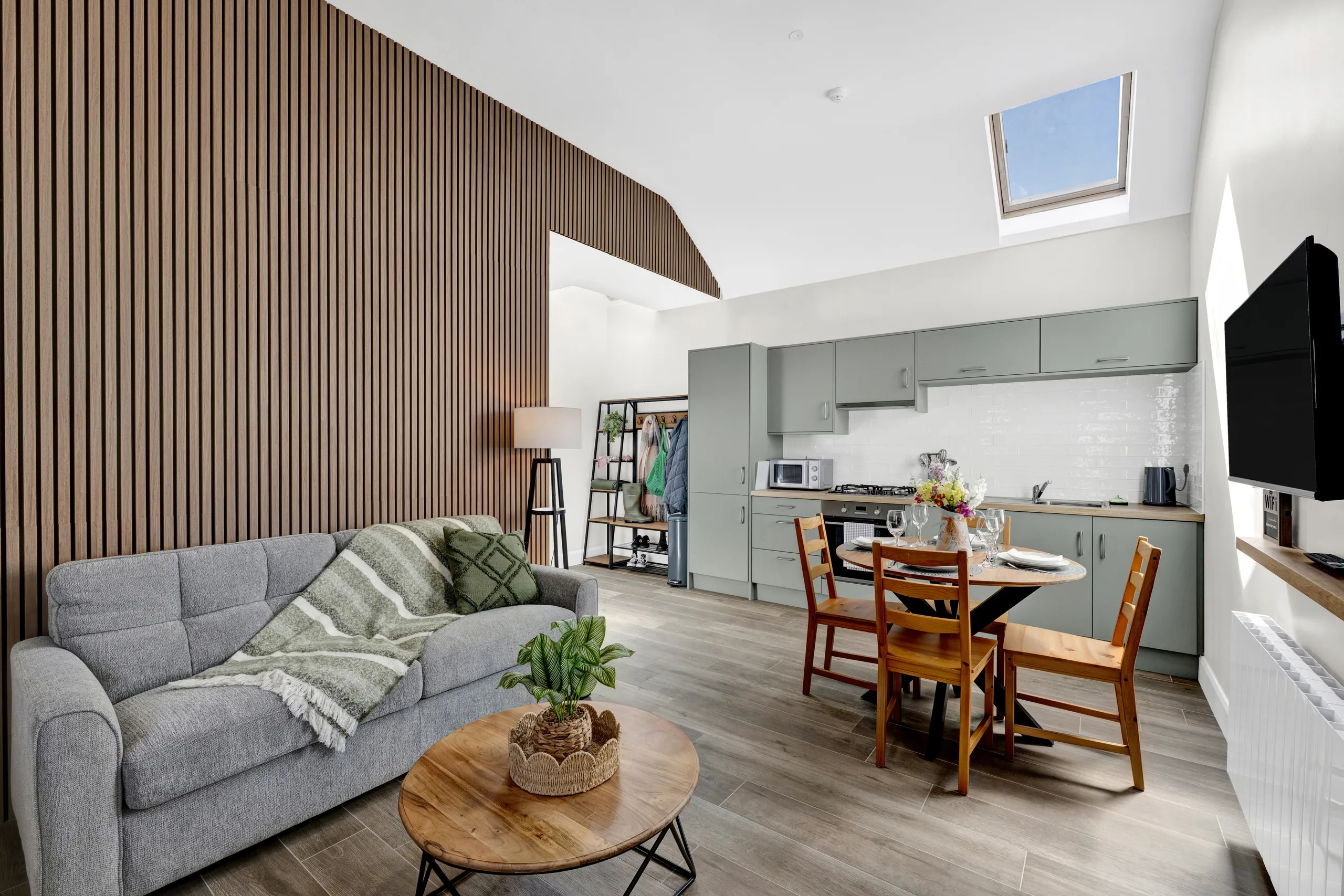
A prepared home gives every part of the campaign more value. Begin with the entry, kitchen, main living areas, bedrooms, bathrooms and best outdoor space. Clear the visual interruptions that make it harder to read a room: paperwork, charging cables, drying racks, pet supplies, bins, cleaning products, crowded shelves and surplus furniture. The aim is not to erase life from the home. It is to let the rooms, light and proportions lead.
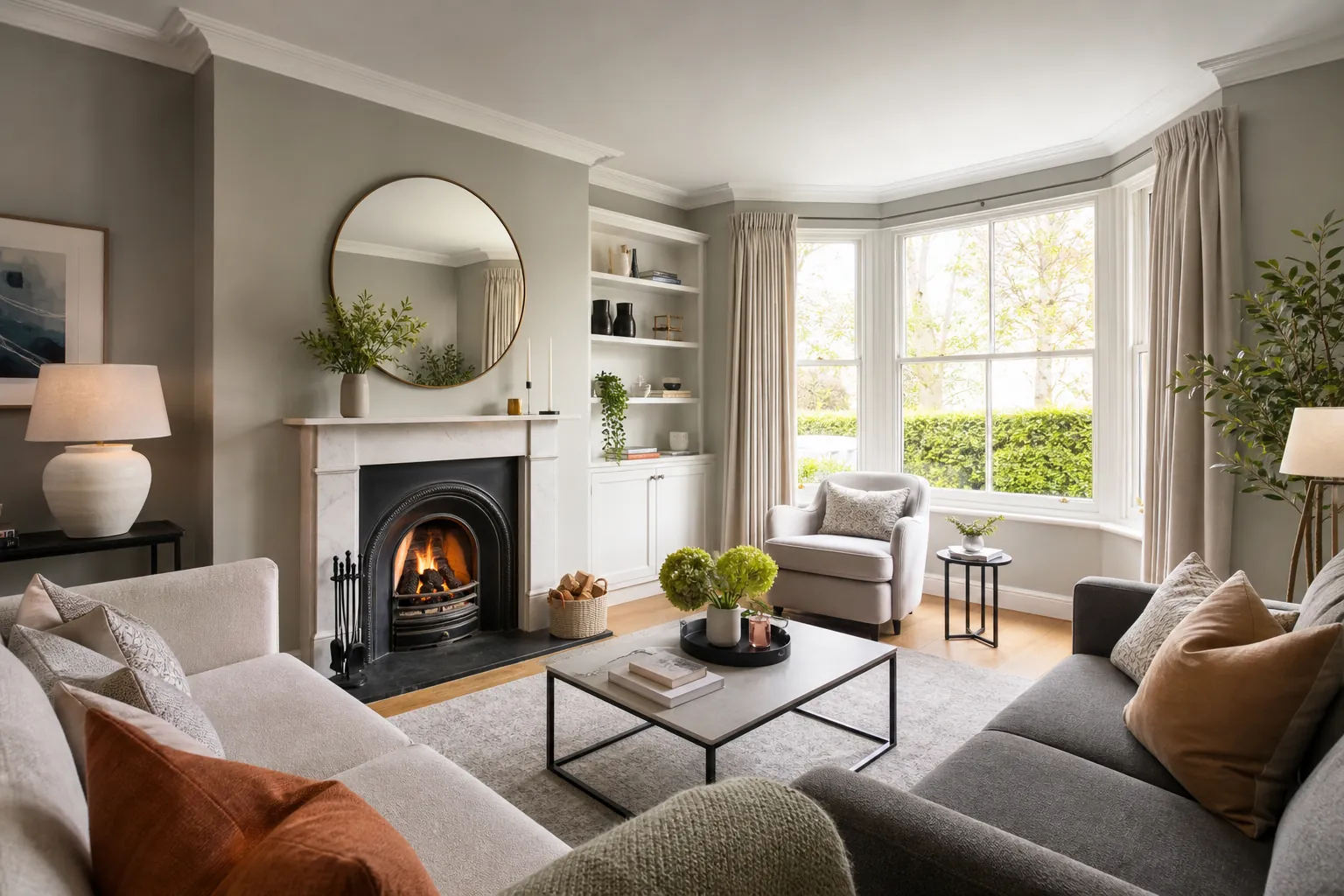
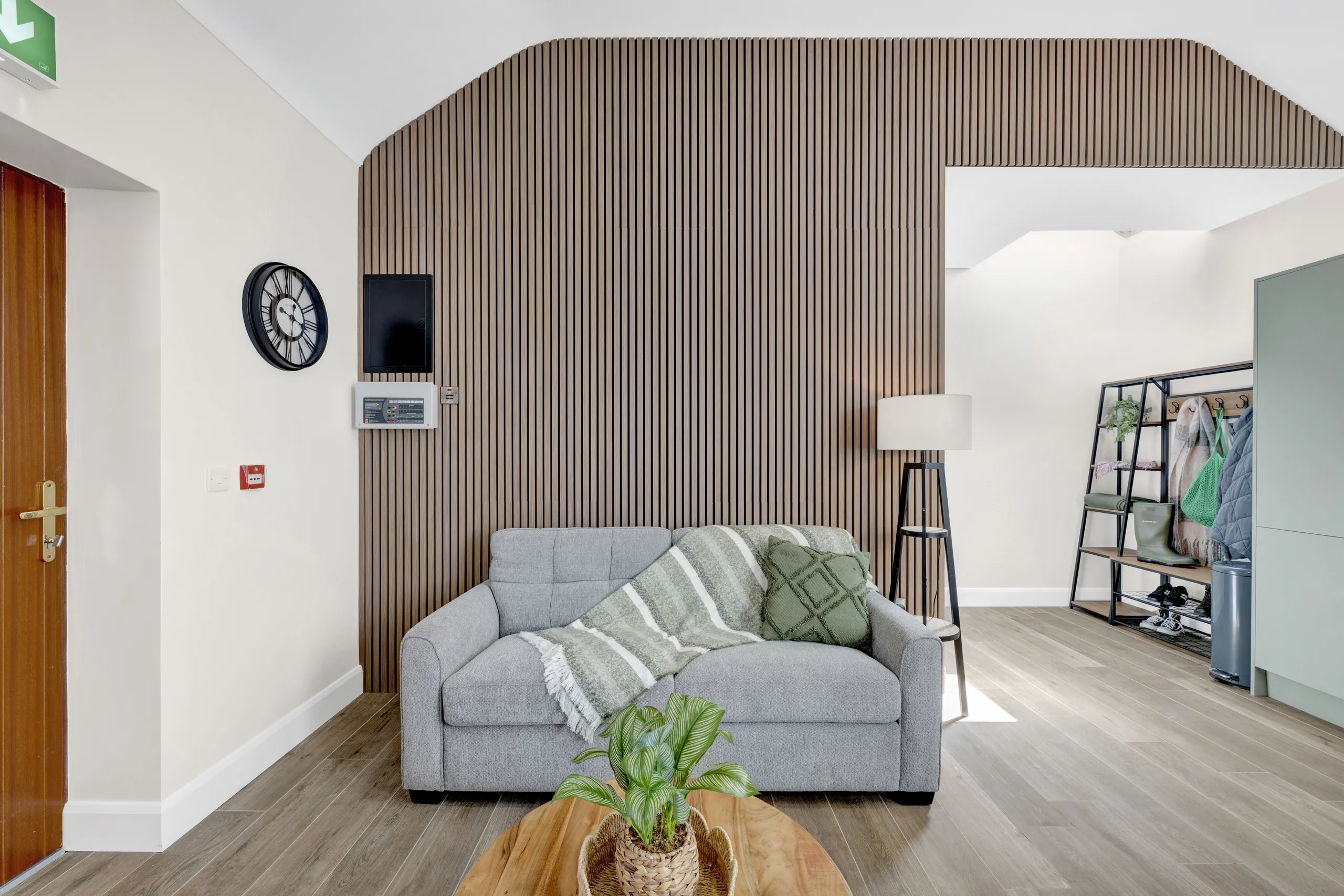
Give each important room one understandable purpose. A spare bedroom doing three jobs at once is hard to interpret online. Choose the use most likely to matter to the buyer and make that use visible. In open-plan areas, a clear dining zone, seating area and kitchen route explain the layout more effectively than decorative clutter. Buyers need space to imagine their own routines, furniture and guests there.
Small maintenance jobs deserve attention too. A loose handle, failed bulb, tired sealant, scuffed wall or blocked path may not stop a sale, but a collection of minor distractions can make a property feel unfinished. Prioritise the work that makes the home look cared for and straightforward to live in. Major renovations should be a separate decision based on cost, timing and local advice, not a reflex before every listing.
Avera Design International's home staging guide has a room-by-room preparation plan. Use it as a practical checklist, then keep a storage box, cupboard or car boot free for the items that need to disappear quickly on photography day.
3. Choose the media that answers real questions
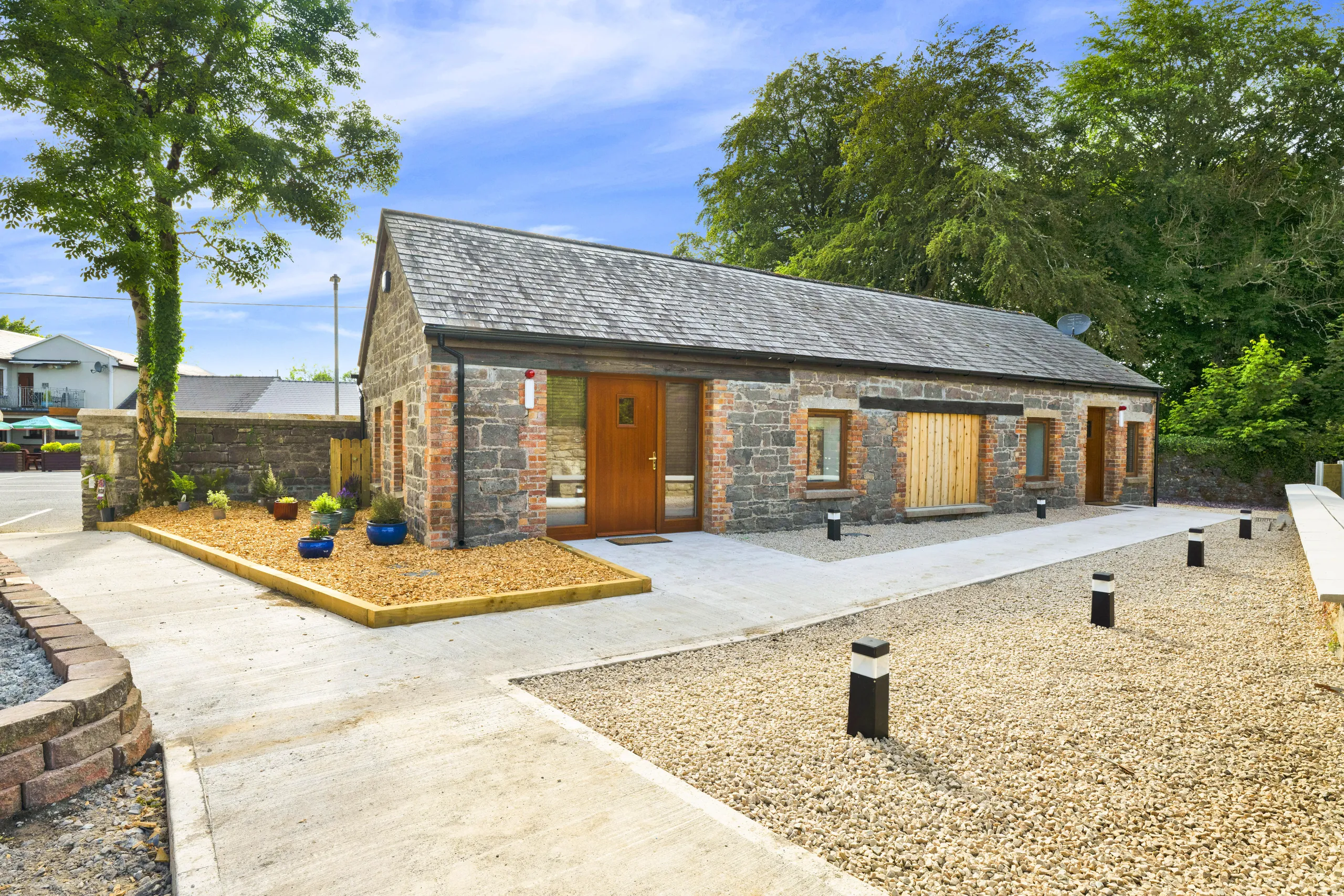
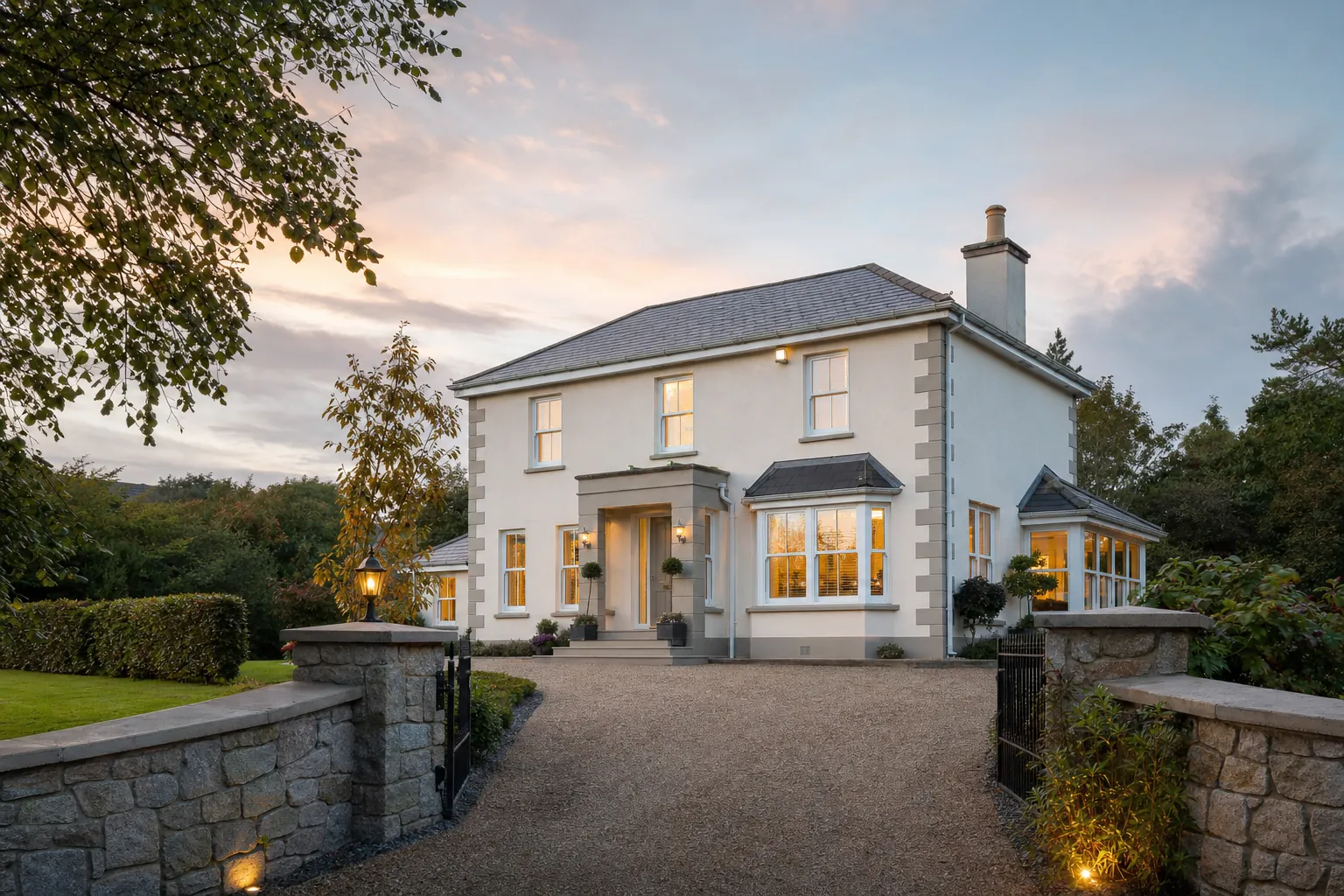
Professional photography is the foundation because it gives a buyer the fastest introduction to a property. A strong lead image earns the click, then the next photographs should answer the questions that follow. What is the arrival like? How does the kitchen connect to the main living space? Is the principal bedroom a practical size? What does the garden, view, parking or setting add to daily life?
The photographs should move through the property in a calm, logical sequence. Repeating similar angles of the same room rarely gives a buyer more confidence. One wide image may establish the scale, while another shows the garden connection, feature window or important detail. This is why a property photography service is about choosing useful frames as much as taking attractive photographs.
Video earns its place when movement, approach or atmosphere is central to the property. It can show the route into a home, the relationship between indoor and outdoor spaces, the setting around a distinctive site or the feeling of arriving at a memorable room. A cinematic property film should add a layer that still images cannot carry, not repeat the photo gallery shot for shot.
For homes where layout is a key decision, a Matterport 3D tour gives serious buyers time to move through the rooms at their own pace. It is particularly helpful for larger homes, unusual floor plans and buyers travelling from a distance. It does not replace photography. The images do the quick work of drawing someone in, while the tour lets an interested buyer understand more.
4. Use wider views only when they add meaning
Aerial media is useful when the setting changes the way a buyer values the property. Country homes, coastal properties, larger gardens, land, access, outbuildings and hospitality sites can all be easier to understand from above. In those cases, the wider view is not a flourish. It answers a practical question that ground-level photographs cannot answer alone.
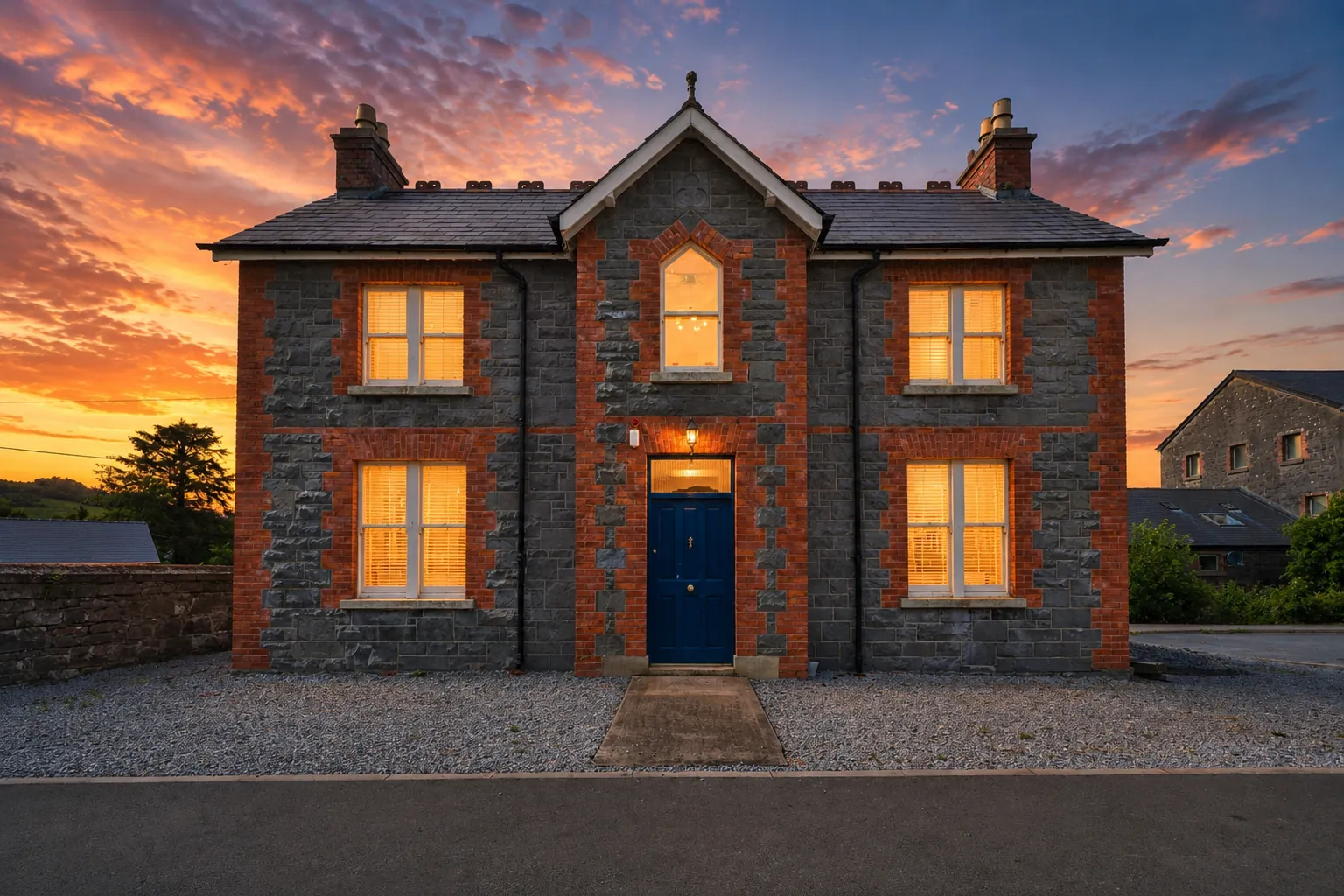
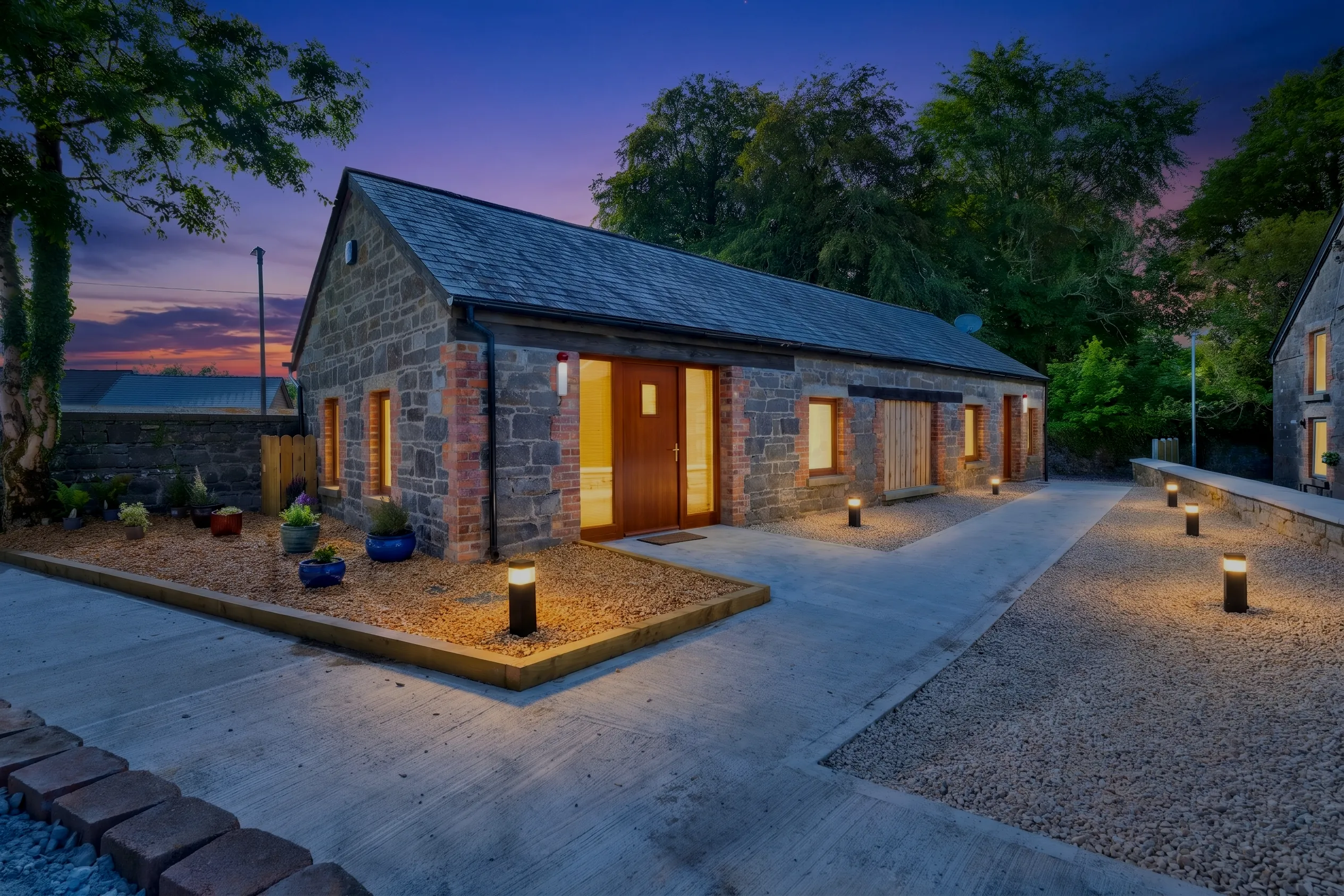
Use it with restraint. Aerial images should show the relationship between the house and its setting, not create a dramatic impression that tells a buyer very little. The same principle applies to twilight photography. A dusk image can be a powerful way to show warmth, exterior lighting or a sense of arrival, but it should support the main daytime views, not conceal the condition of the property.
Avera Design International's aerial photography service is designed around those moments where a wider perspective brings genuine clarity. When the setting is not a deciding factor, it is better to invest in a well-planned core set of photographs than add media for its own sake.
5. Make the listing accurate before it goes live
Trust is built when the images, wording and practical information all describe the same home. Avoid heavy edits that change a room's condition, hide a material issue or make proportions difficult to judge. A buyer may forgive a cloudy photography day. They are less likely to forgive arriving at a viewing to find that the listing promised a different property.
Virtual staging can be helpful for a vacant room or a space whose current furniture makes its purpose unclear. It should show a credible possibility while remaining faithful to the real room. Avera Design International's virtual staging guide explains where it helps and why staged images should support, rather than replace, the property as it stands.
Gather the practical details early as well. The Sustainable Energy Authority of Ireland requires BER information in advertising for homes offered for sale or rent, so confirm those details with the estate agent before the listing is being finalised. The PSRA register of licensed property services providers is also available to help consumers check an agent or auctioneer.
These are not details to bolt on at the end. When the sales information is ready before the photography comes back, the campaign can launch cleanly, with less pressure and fewer last-minute compromises.
6. Give interested buyers one clear next step
Once a buyer is interested, the campaign should make it easy to keep exploring. On a property portal, that may mean a well-ordered image gallery and a clear viewing route. For a distinctive or higher-value listing, a dedicated property website and media kit can bring the photography, film, tour and essential details together in one focused place.
This matters because buyers do not all make a decision in the same way. Some will respond first to the exterior or the kitchen. Some will want to understand the floor plan. Others will need to see the setting, the garden or the scale of the site. A joined-up campaign lets each person follow the part of the story that resolves their uncertainty, while keeping the whole listing consistent.
Keep the calls to action practical. The goal is to help the right person book a viewing or ask a worthwhile question, not to overwhelm them with options. The best campaigns make the next move feel natural because the buyer already understands what they are looking at.
7. Keep the campaign aligned through the first viewings
The work does not end when the listing appears. The first viewers arrive with the images already in mind, so the property should still feel ready to receive them. A simple reset routine can protect the effort that went into the launch: clear the kitchen, open curtains, air the rooms, put away laundry, straighten the entrance and check the bathroom before a viewing.
Let the campaign guide the viewing experience without trying to script it. If the listing leads with the garden connection, make that route easy to see in person. If storage, access or an outbuilding is important, make sure the agent has the information needed to answer questions accurately. Good preparation reduces friction and helps a serious buyer connect what they saw online with the home in front of them.
Review the first response with the estate agent. Questions from viewers can reveal which parts of the listing are doing their job and which details need clearer explanation. That does not mean changing the campaign every day. It means noticing the useful information that can make the next conversation or viewing more productive.
How Avera Design International helps
Avera Design International brings property photography, cinematic video, aerial media, 3D tours, virtual staging and property websites together around the individual home. The focus is not on adding every possible asset. It is on choosing the right combination to make the setting, layout and potential easy for the right buyer to recognise.
For sellers and estate agents across Ireland, that means one considered visual plan instead of disconnected pieces. Request a shoot when you are ready to plan the next listing.
Frequently asked questions
What does property marketing include when selling a home?
Property marketing is the coordinated work that helps the right buyer understand a home before a viewing. It can include photography, listing copy, a floor plan, video, a 3D tour, aerial media, portals, social posts and a dedicated property website. The right mix depends on what the property needs to explain.
When should I arrange property photography?
Arrange photography once the property is clean, prepared and close enough to launch that the rooms, garden and seasonal setting will still match the listing when buyers enquire. Confirm the sale plan with the estate agent first, then allow enough time for the visual work and the listing details to be checked properly.
Do I need video or a 3D tour for every property?
No. Photography remains the quickest way to communicate a listing at a glance. Video is useful when atmosphere, setting or movement adds to the story. A 3D tour can help when buyers need more time to understand the layout. Use either when it answers a real question that photographs alone cannot answer clearly.
How can I make a property listing feel trustworthy?
Keep the pictures, wording and practical details aligned with the real property. Show the important rooms and setting honestly, avoid edits that change the condition or proportions, and make sure the estate agent has the right information before launch. A buyer should arrive at a viewing feeling informed, not surprised.